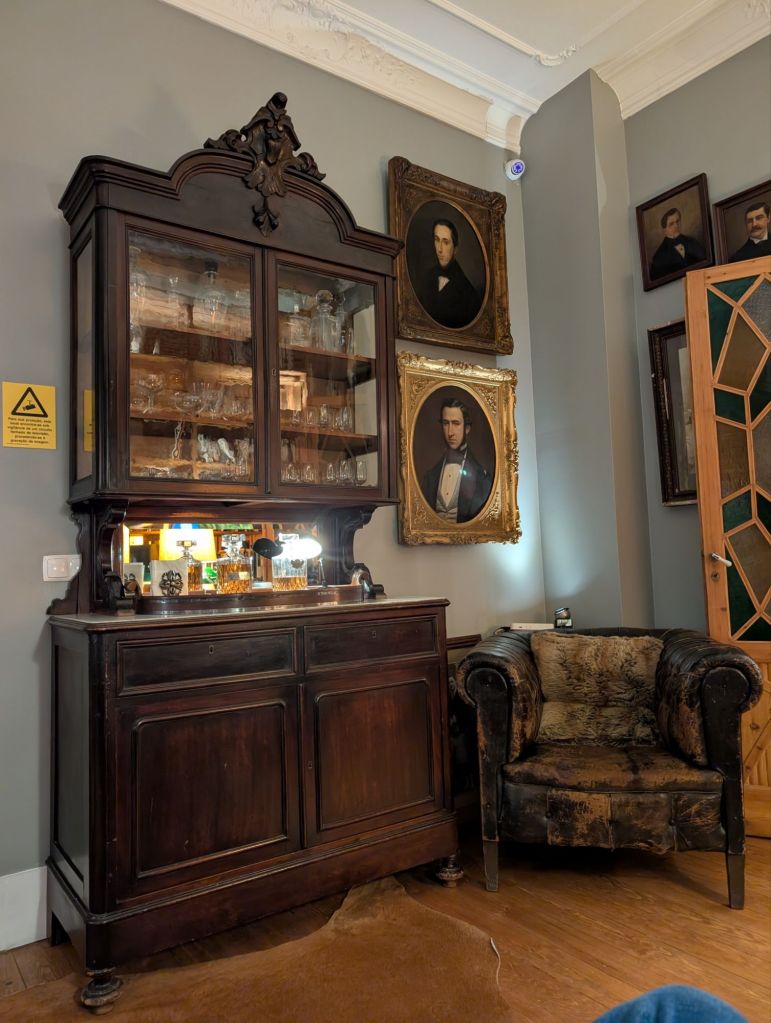
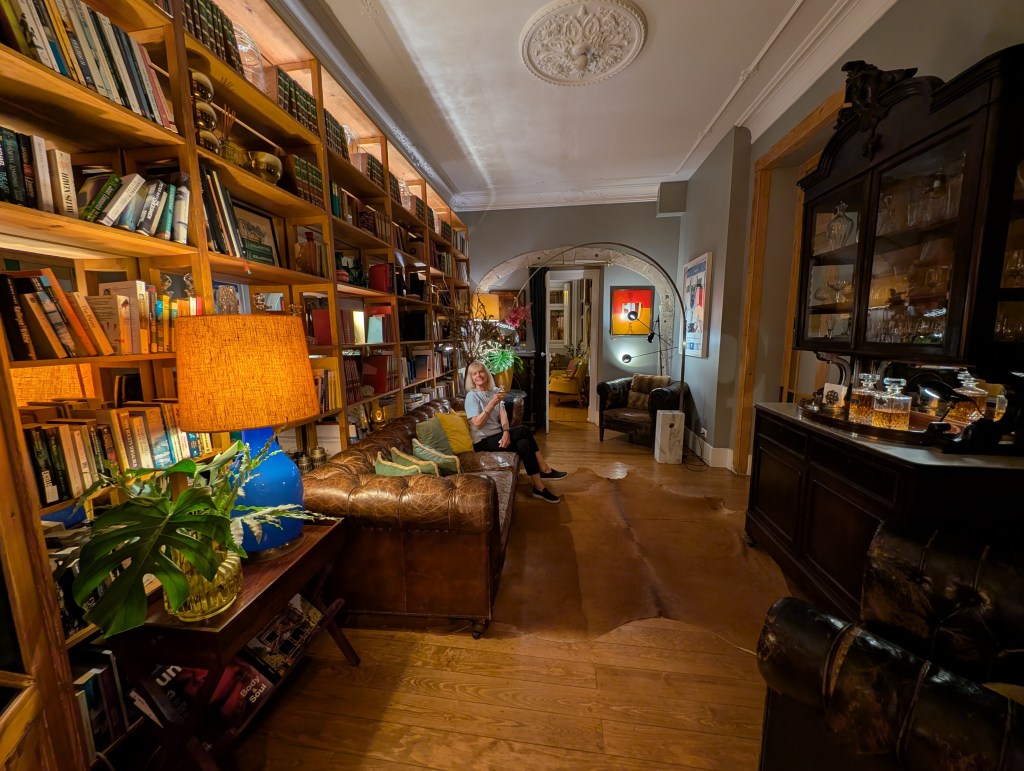
Our hotel, Casa do Barão–a Rick Steves recommend—is in an 18th century building, in a quiet neighborhood, in downtown Lisbon. It’s absolutely charming, with a homey lived-in feel.
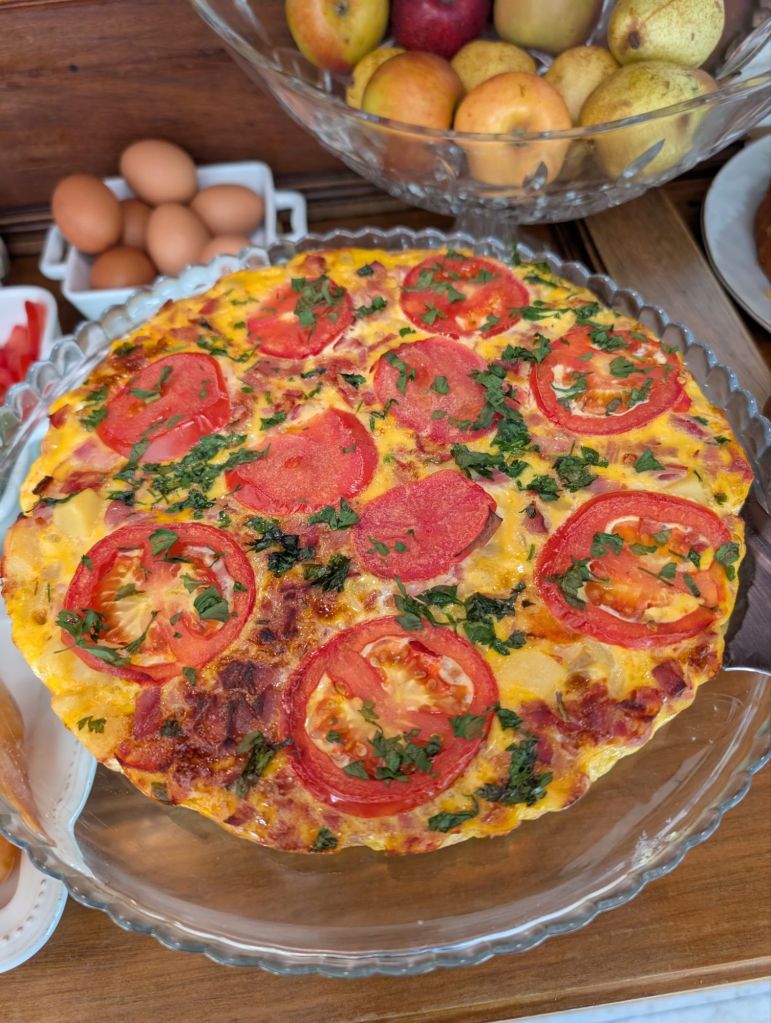
The highlight was the fantastic cook who whipped up a gorgeous egg-potato-tomato-cheese tortilla for breakfast every morning.
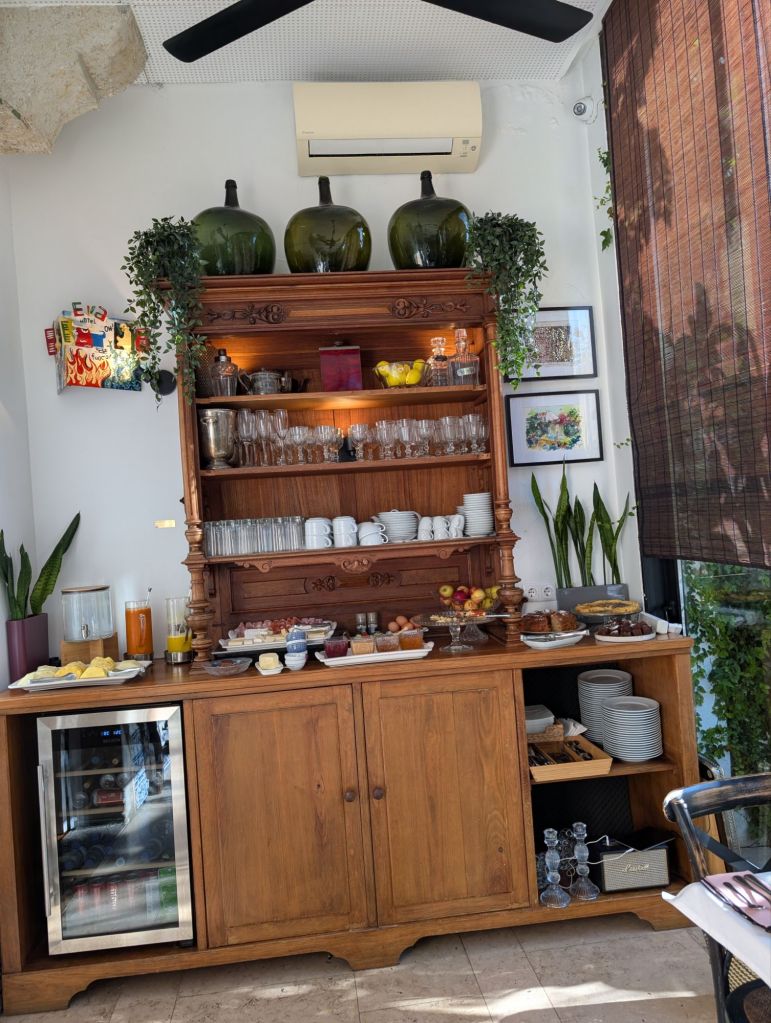
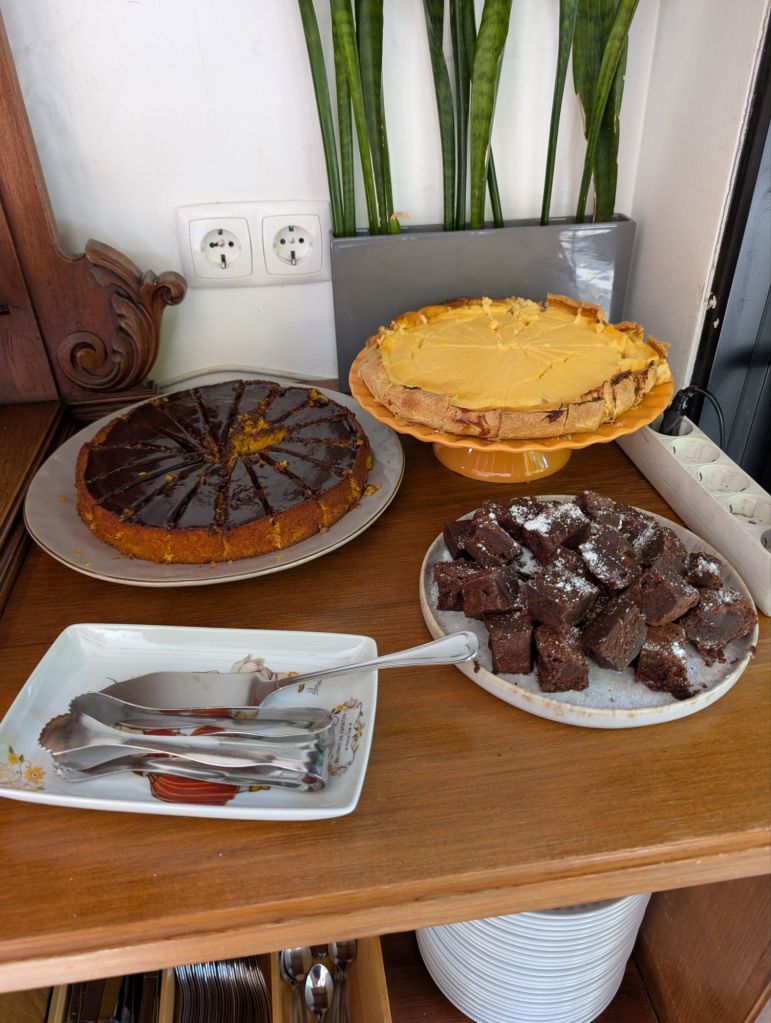
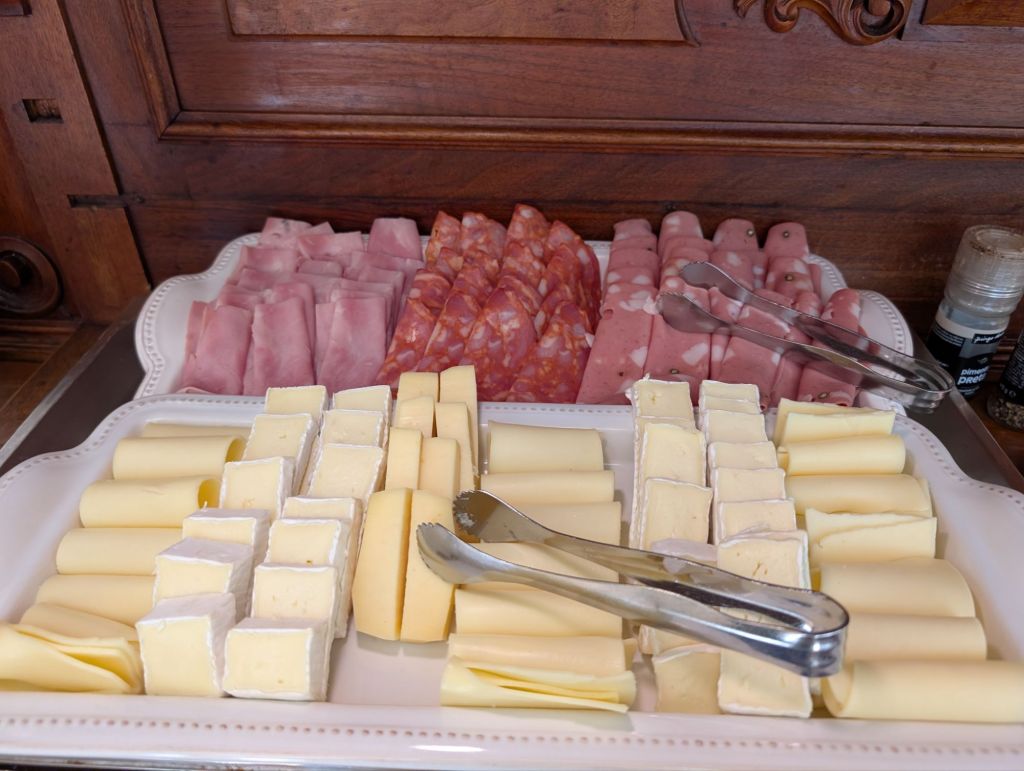
In addition there was the buffet of cheeses, meats, and fruit. Plus chewy seedy baguettes with jams and fresh butter. And for those who have dessert with their breakfast, there were cakes, pies and brownies.
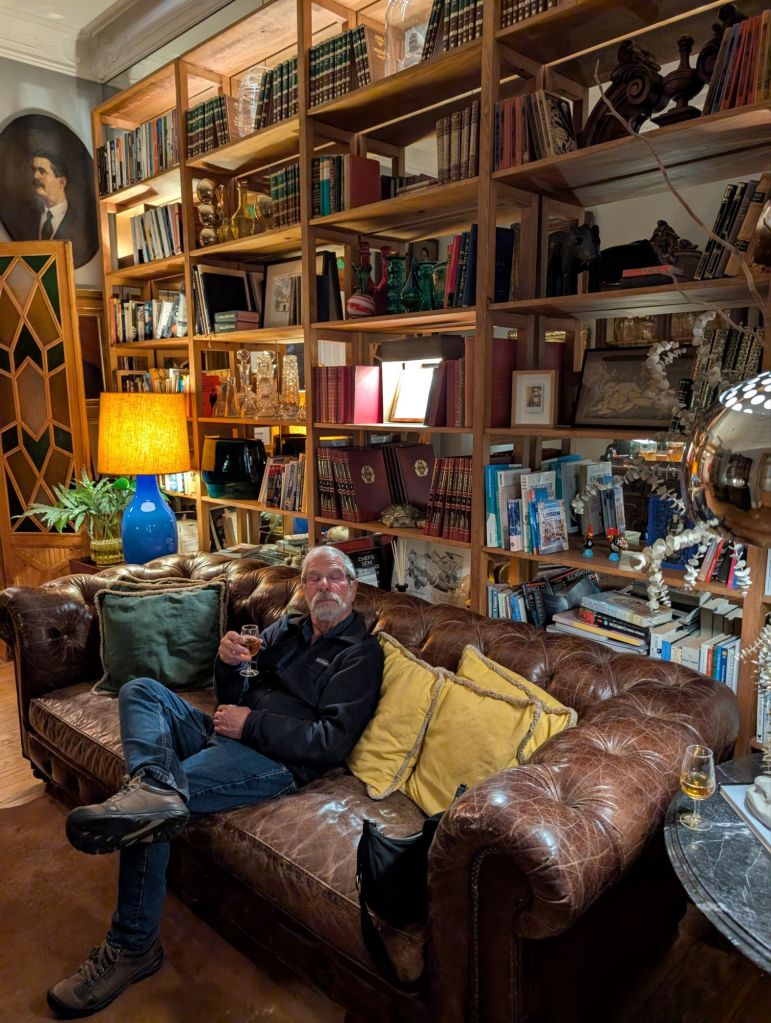
The cozy library offered two different complimentary ports for late evening sipping
Our hotel recommended a 4-hour walking tour of the city. Our journalist/teacher/historian guide was excellent. I was most impressed with her ability to walk the Lisbon cobblestones with thin leather sandals!
We toured several neighborhoods which included churches, museums, street art, open air markets, monuments and plazas.
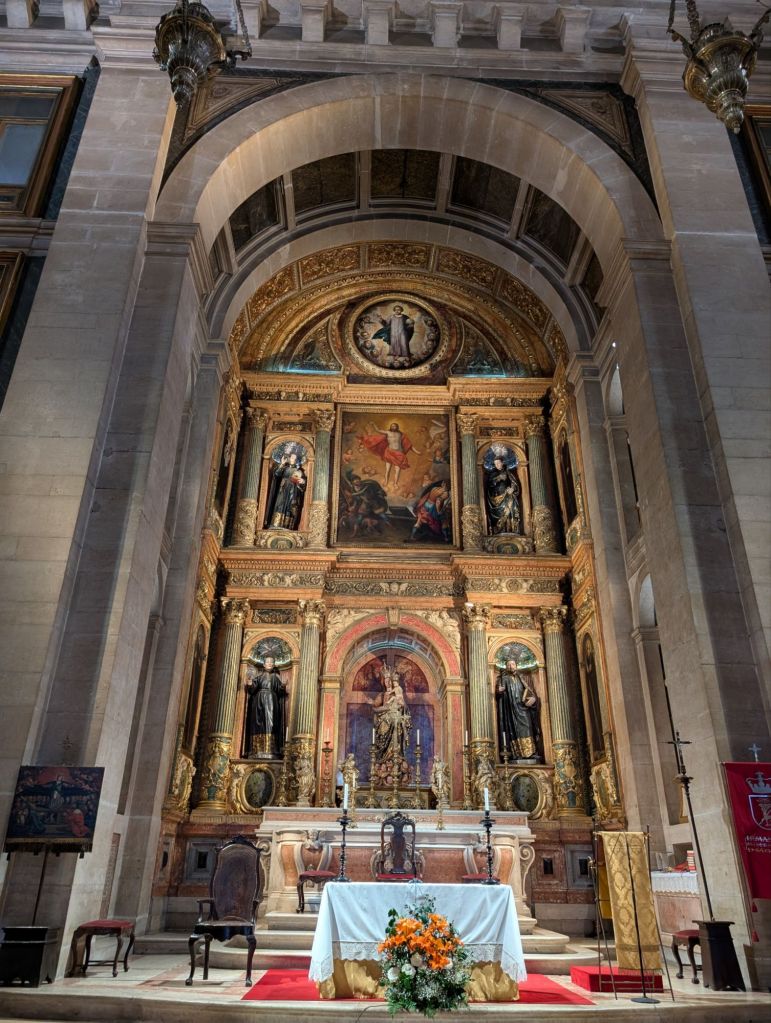
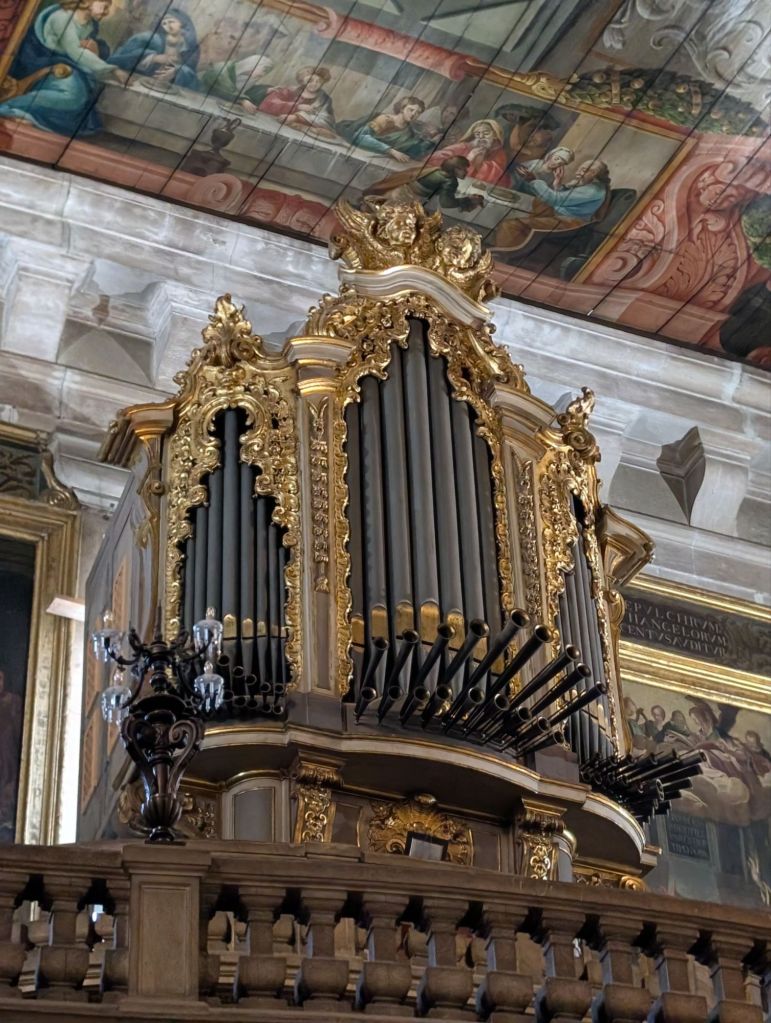
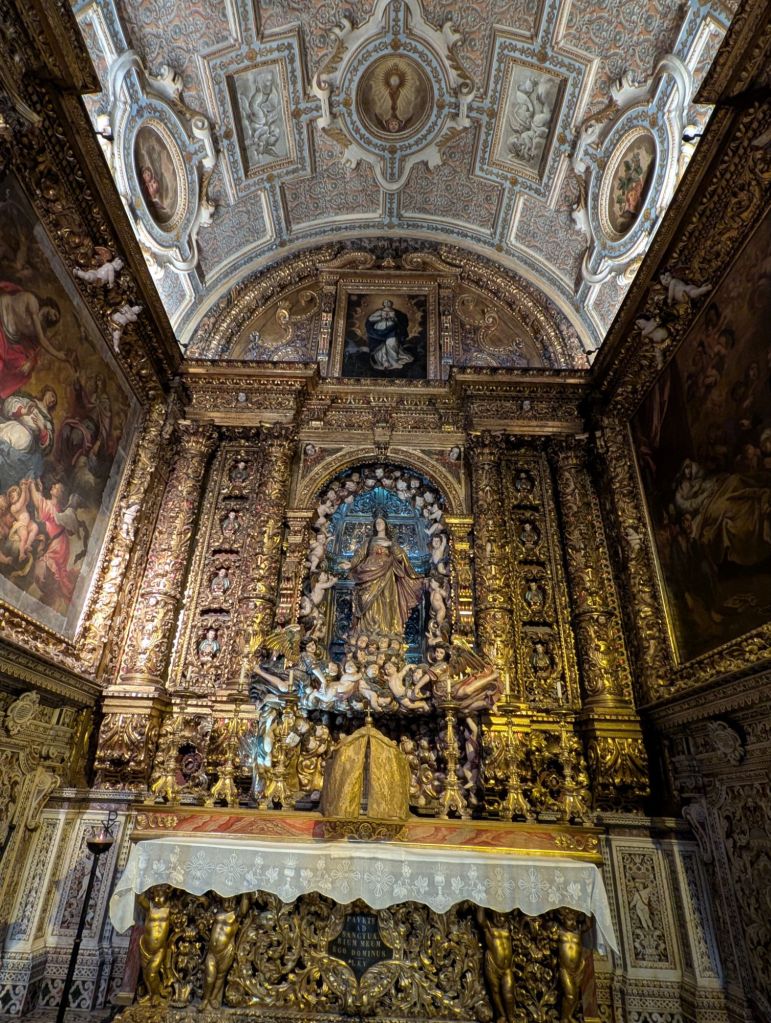
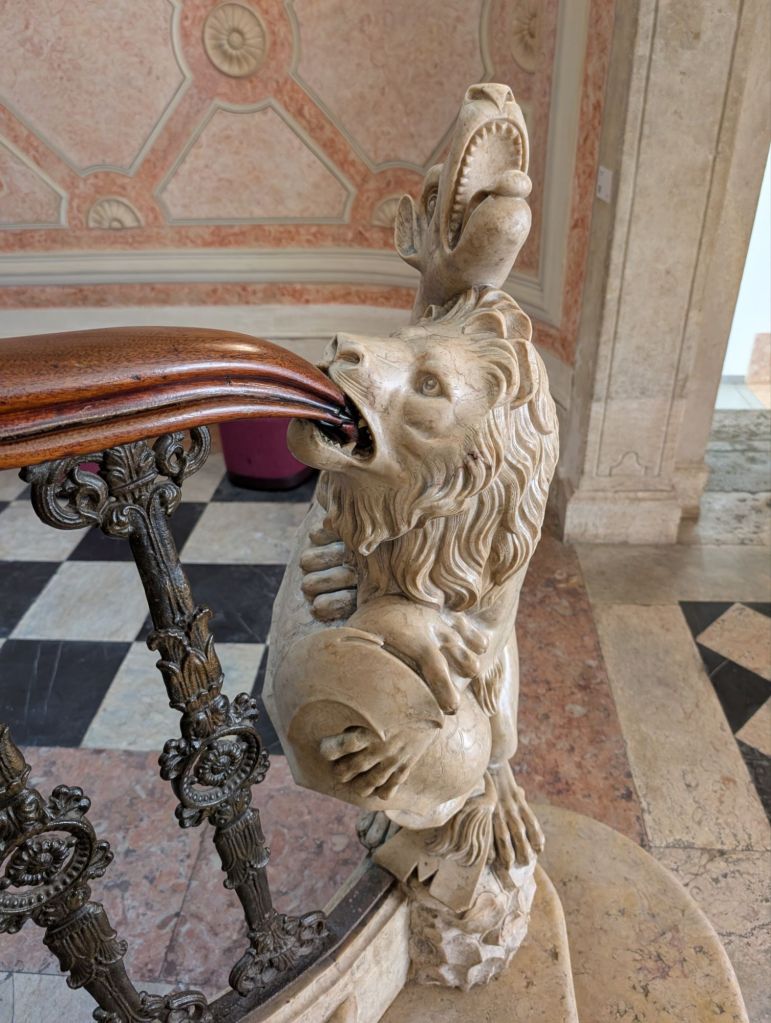
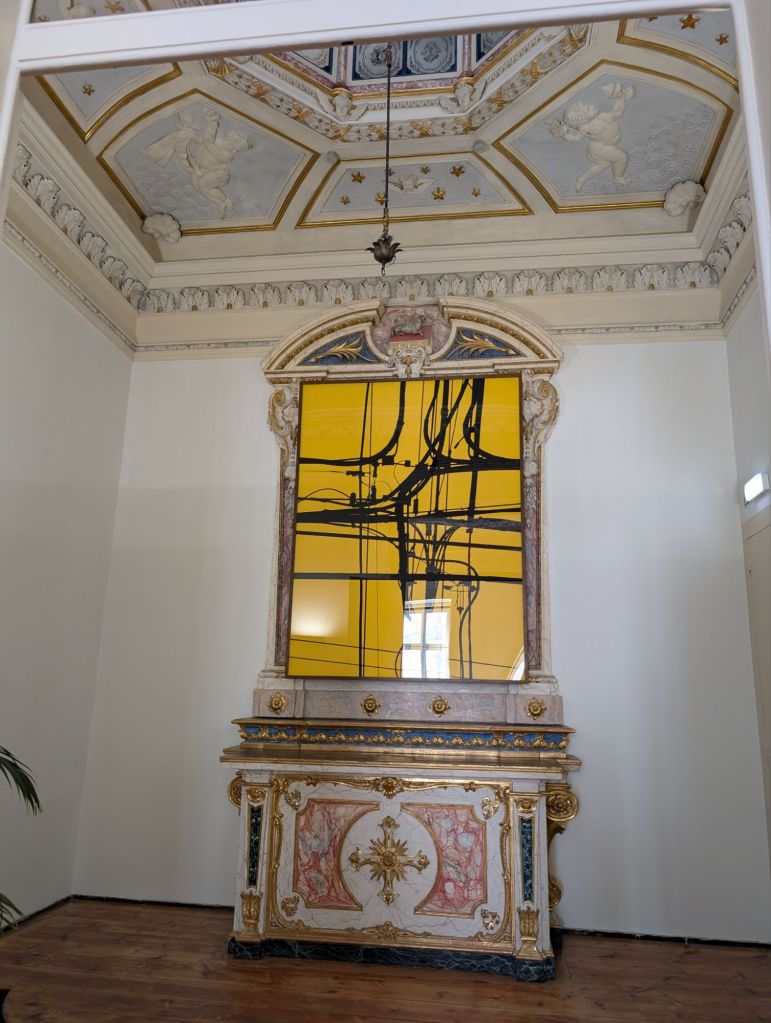
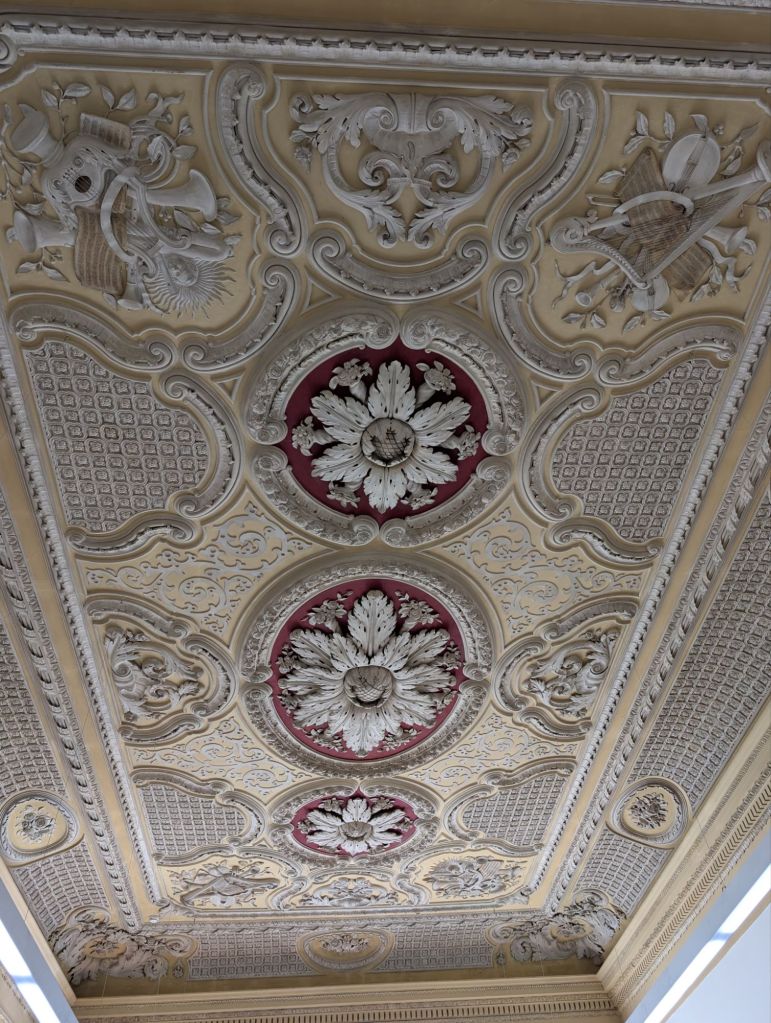
Church of Saint RoquePalace of the Counts of Tomar 19th century: Now operated by the Jesuits. Includes contemporary artwork and an extensive library covering the fields of theology and philosophy, with emphasis on the history of the Society of Jesus.
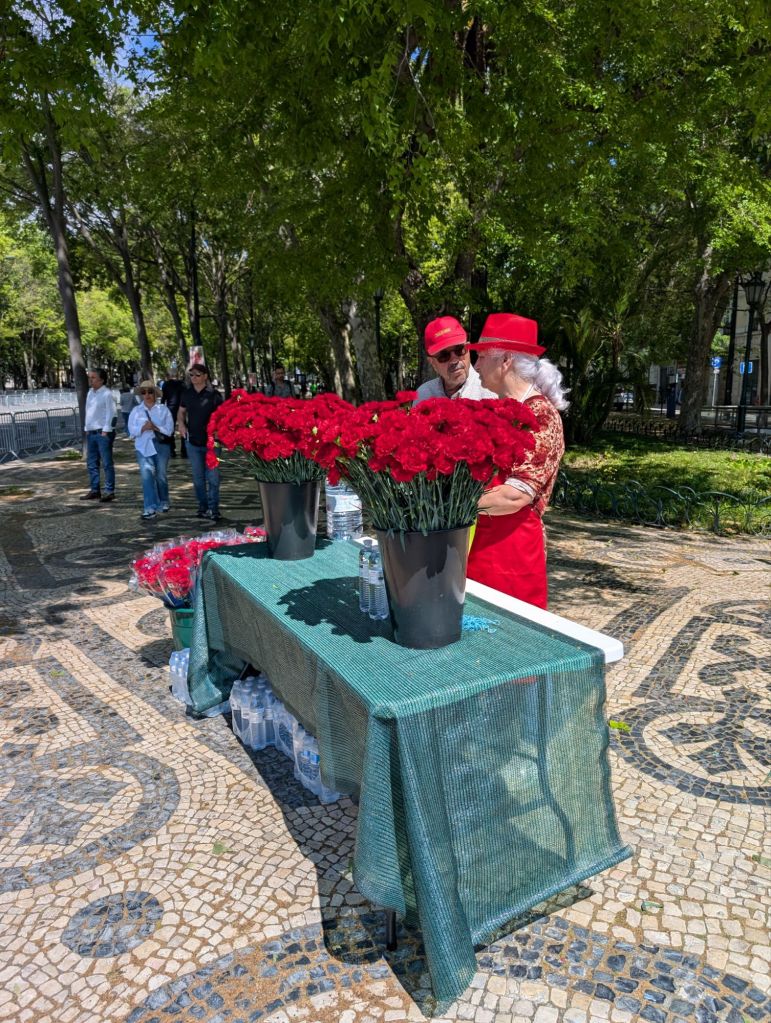
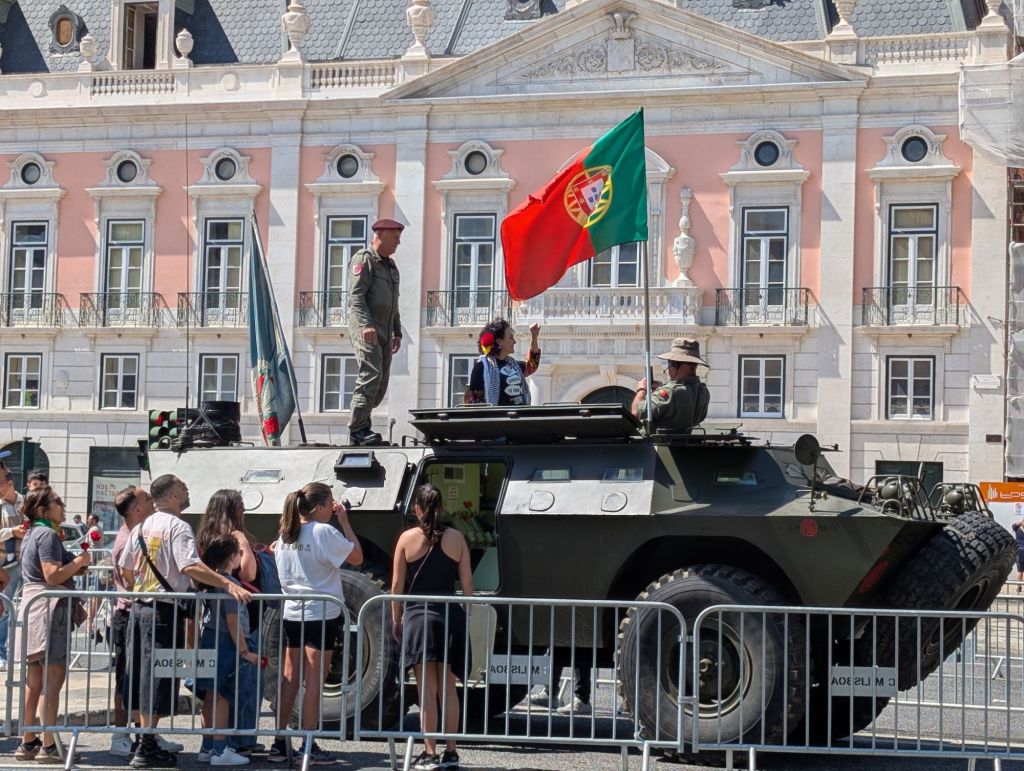
We were lucky to be a part of the celebration of Freedom Day on April 25 when a military coup ended the dictatorship (1933-1974):
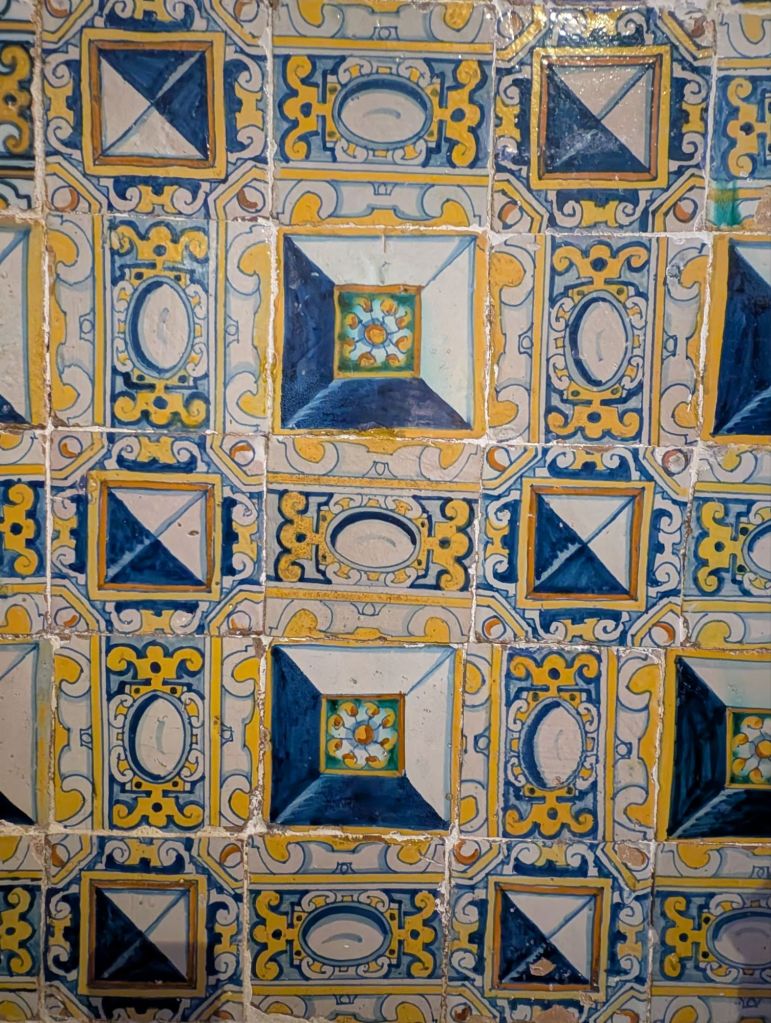
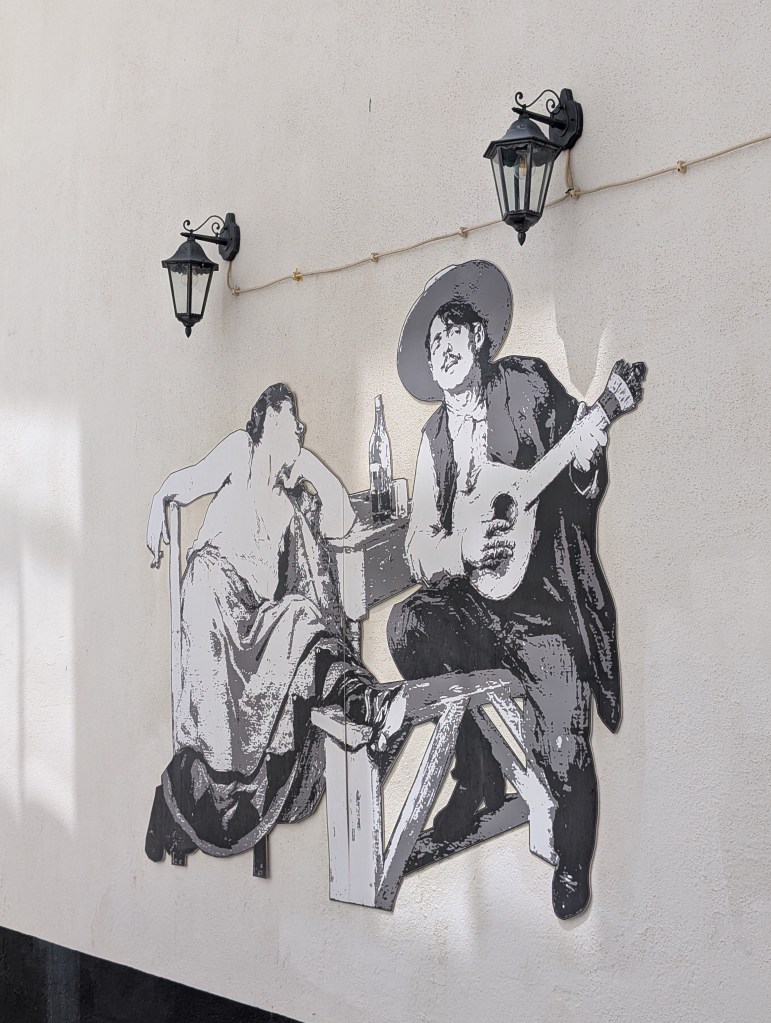
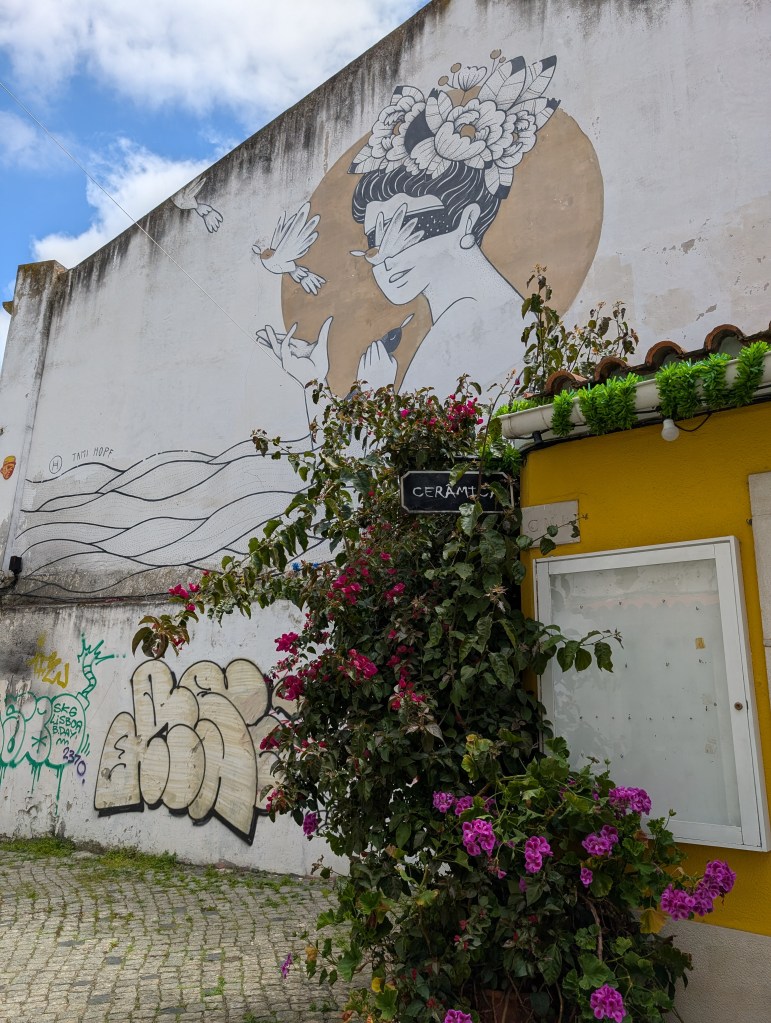
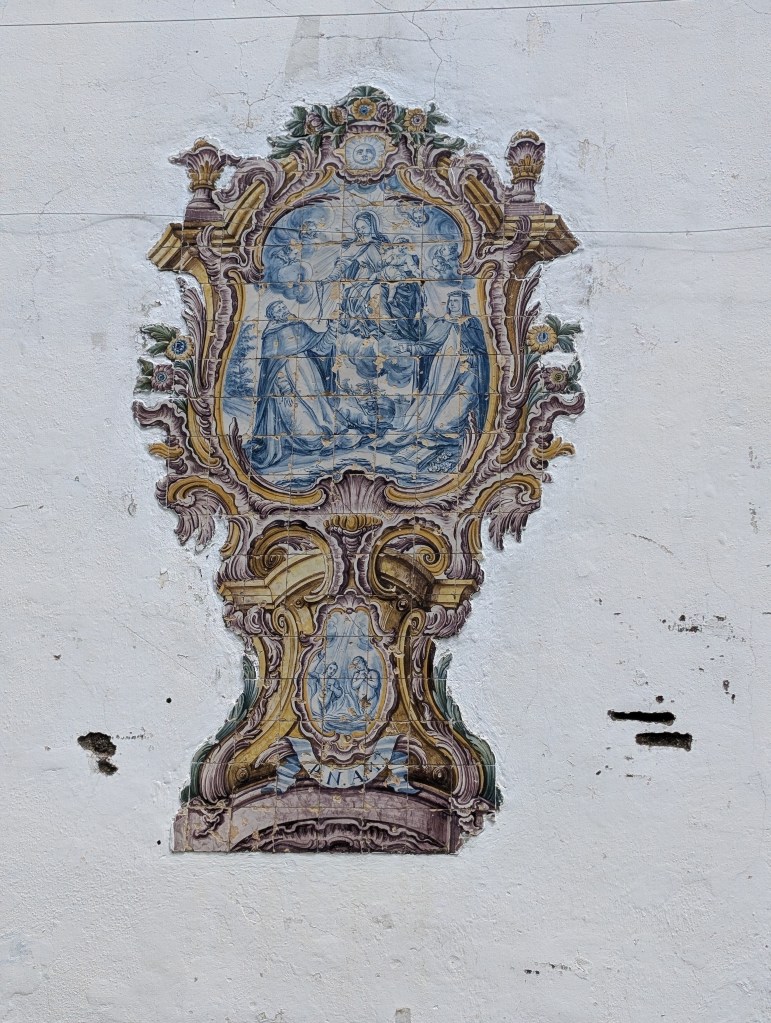
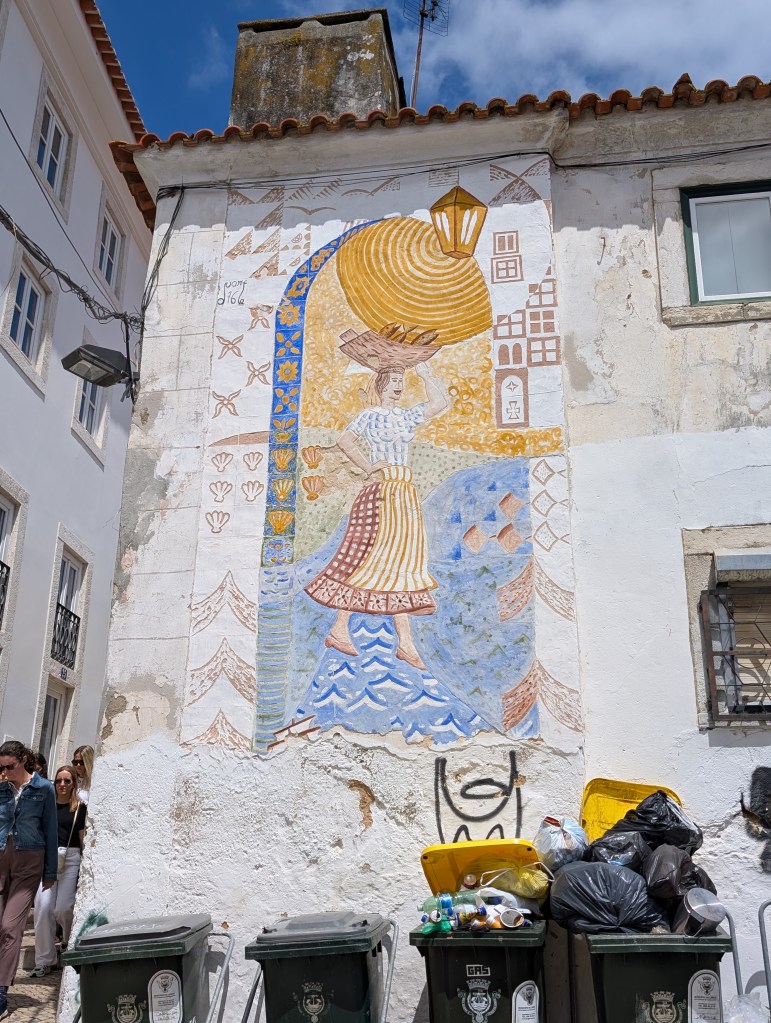
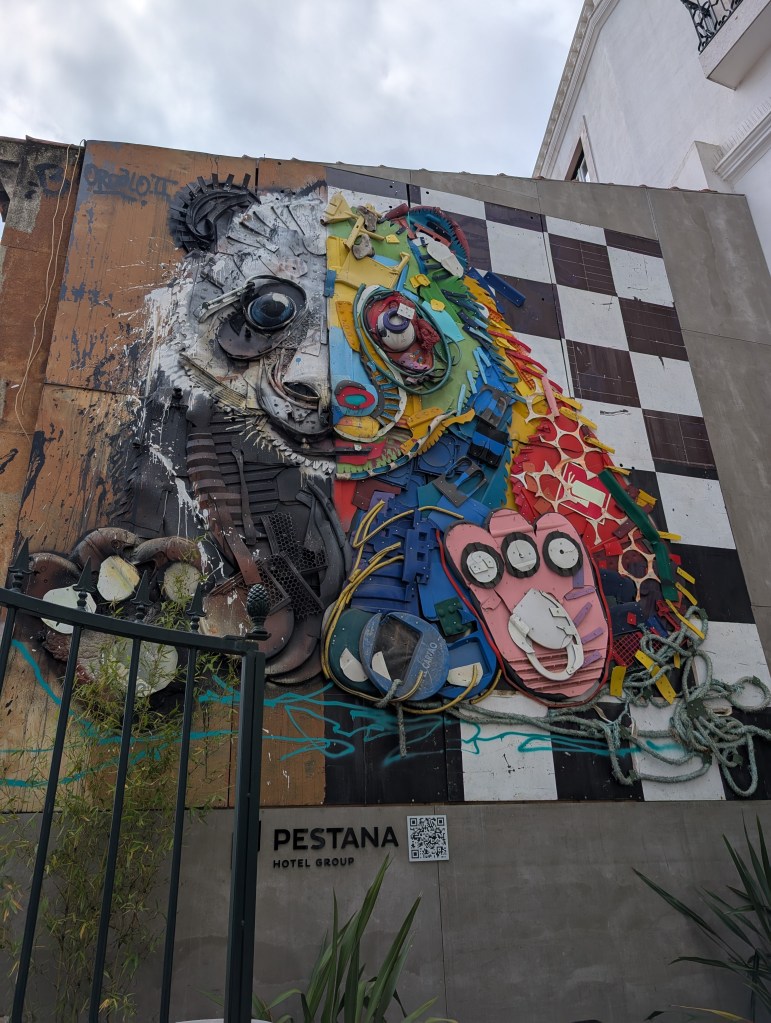
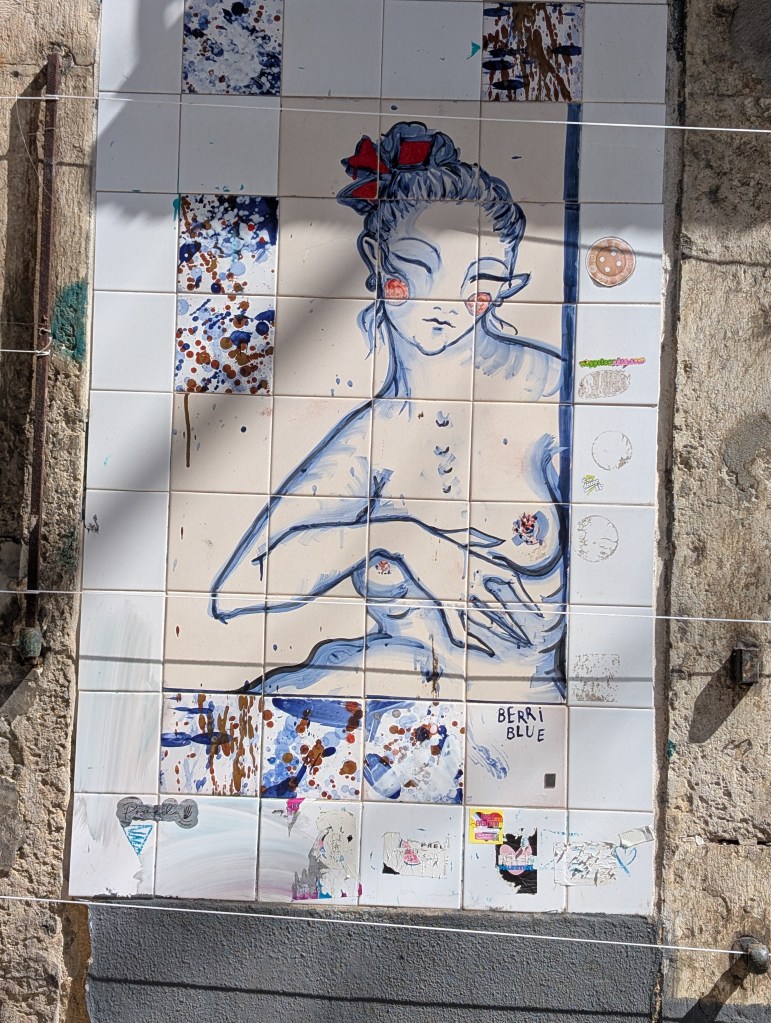
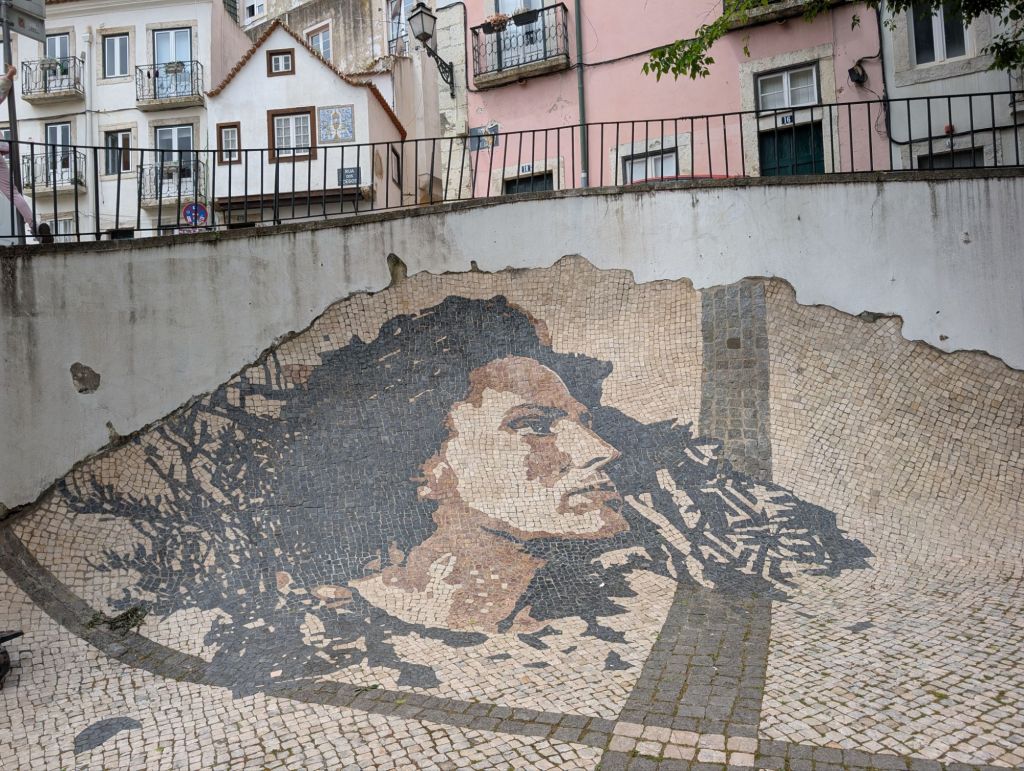
Lisbon is covered in beautiful tilework and great street art:
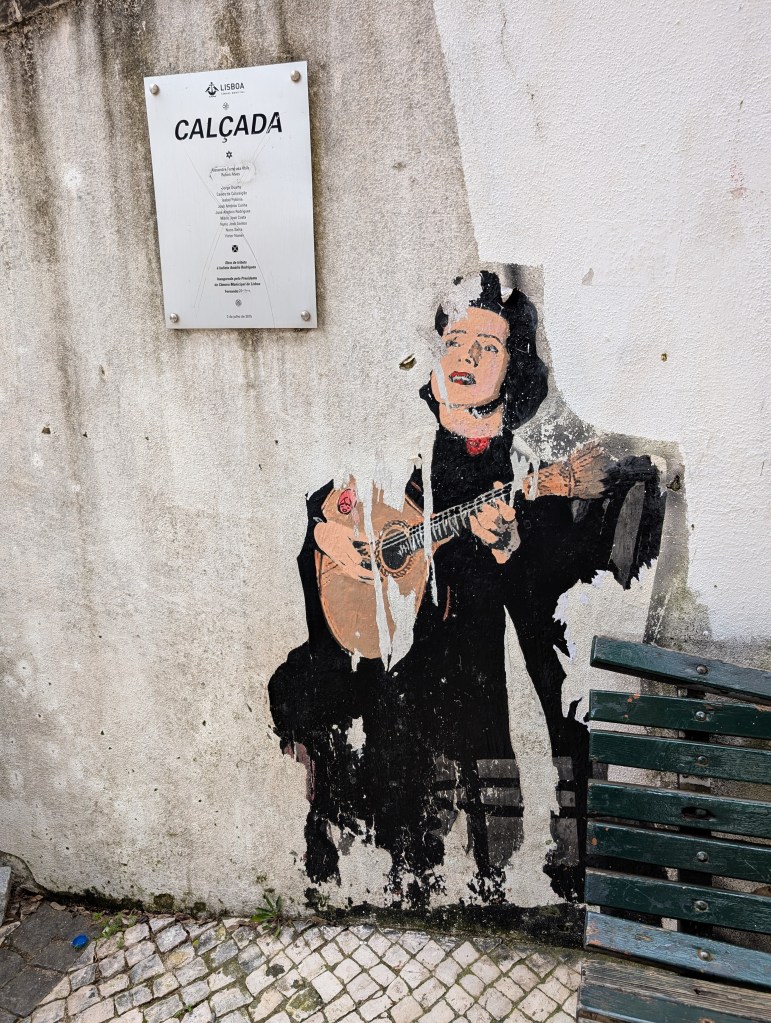
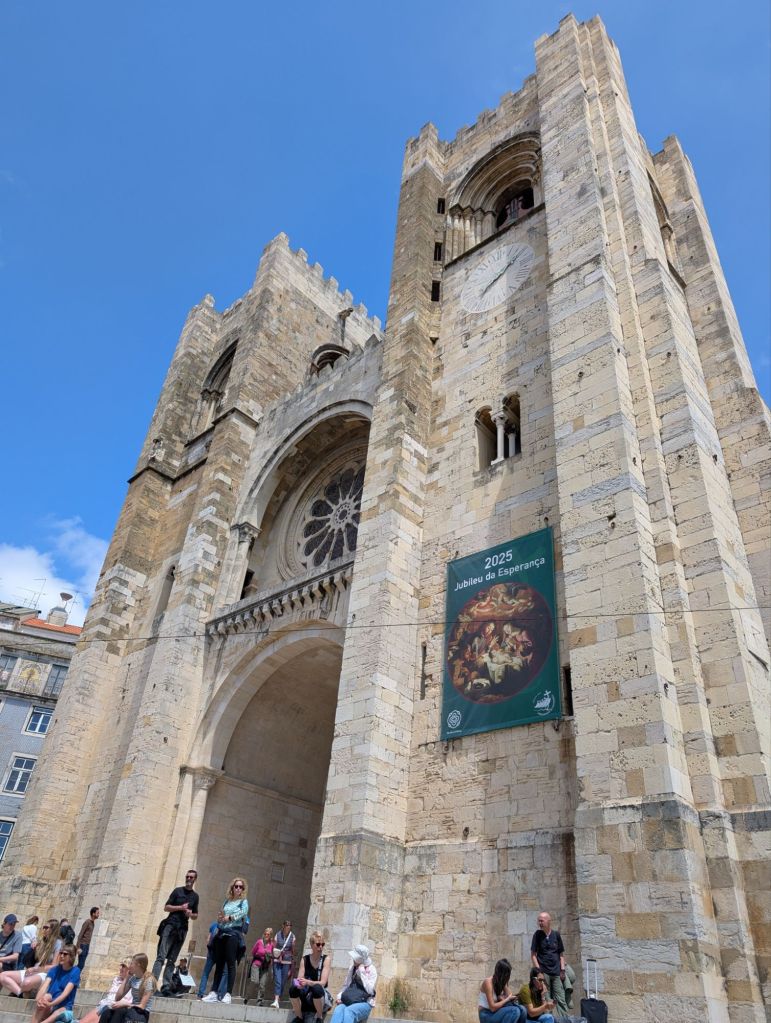
Tribute to FadoAmália Rodrigues, who popularized Fado, urban popular song of mournful, haunting ballads in the 20th century Cathedral of Saint Mary Major often called Lisbon Cathedral 1147
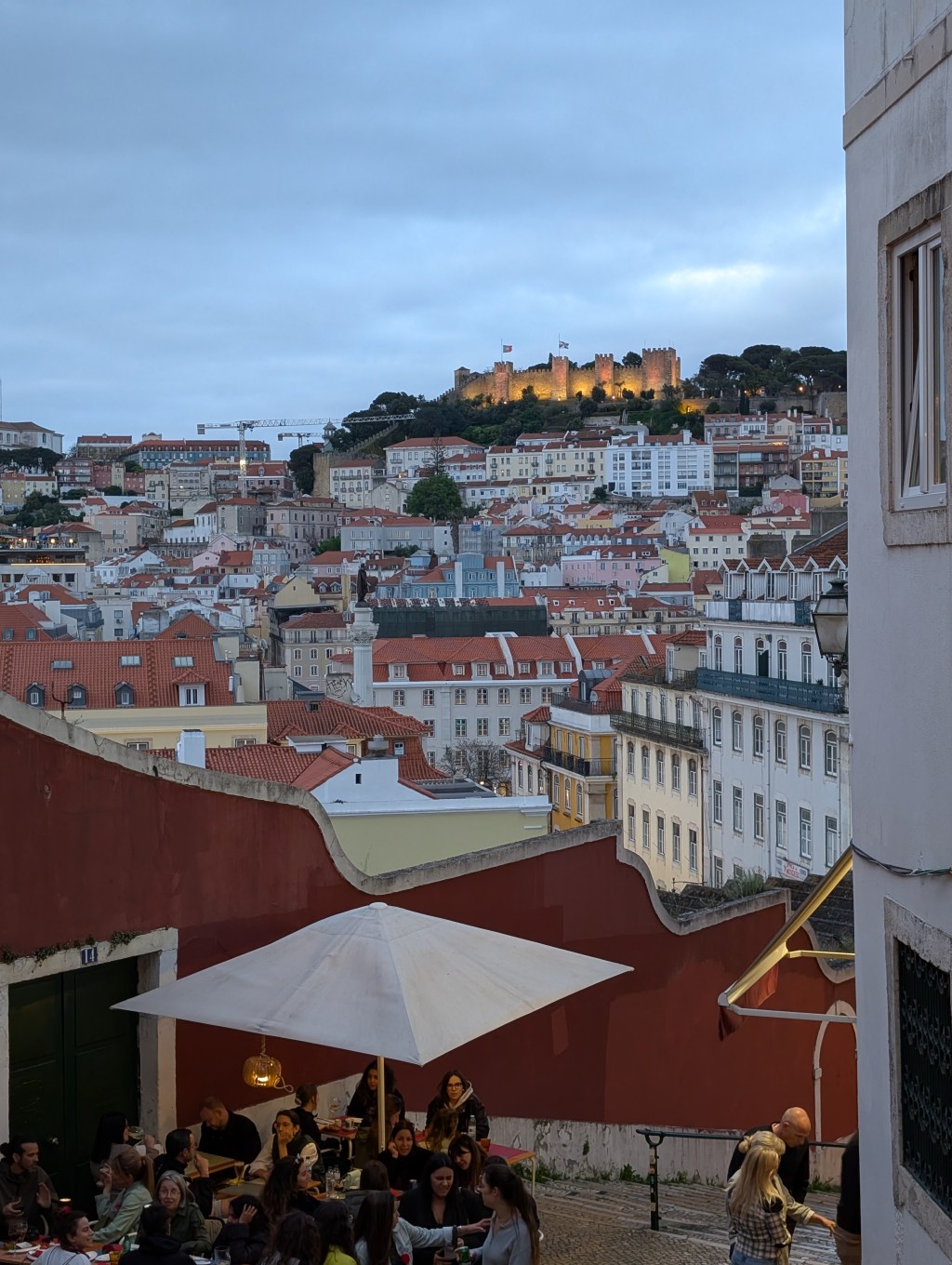
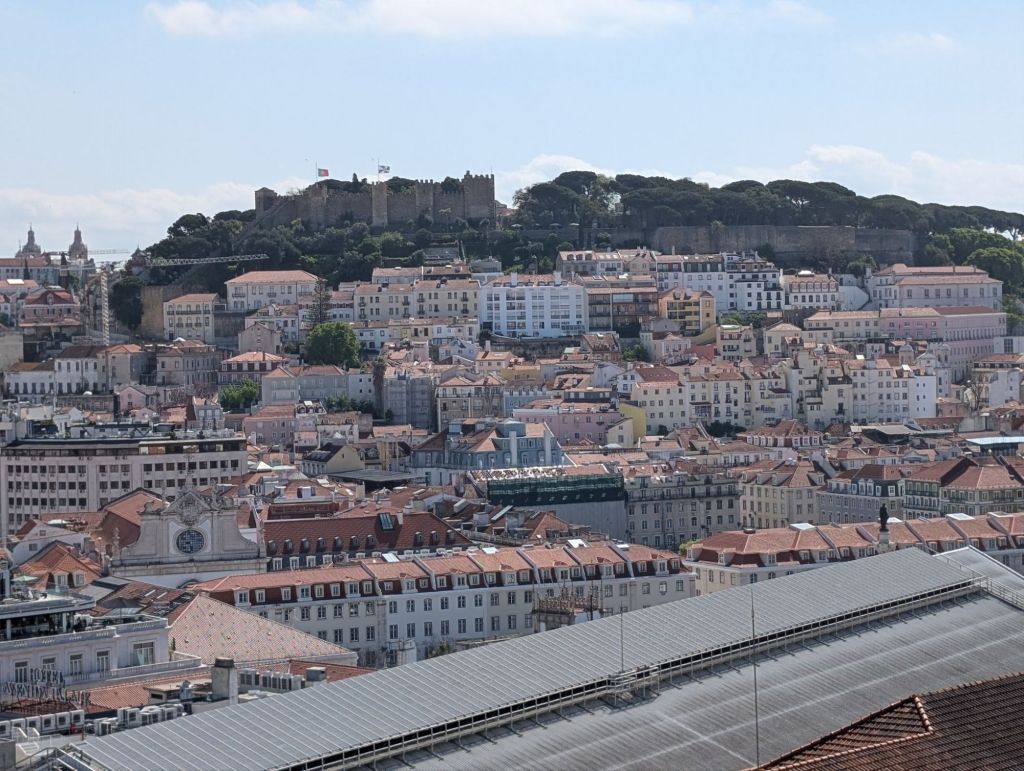
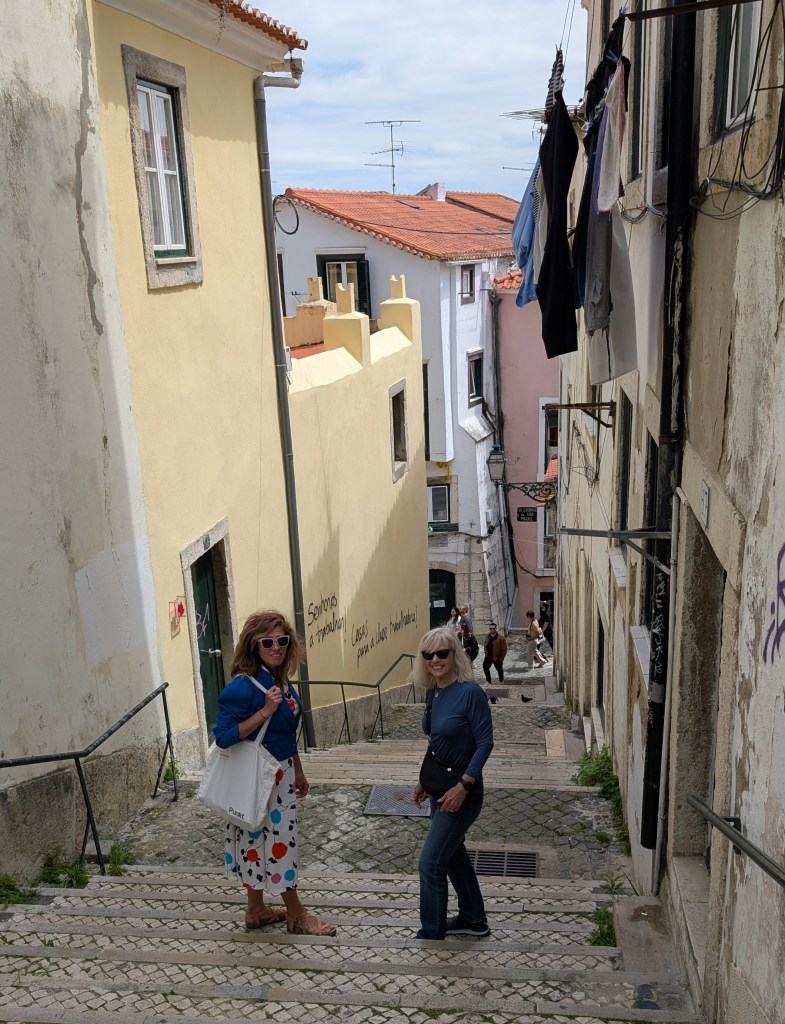
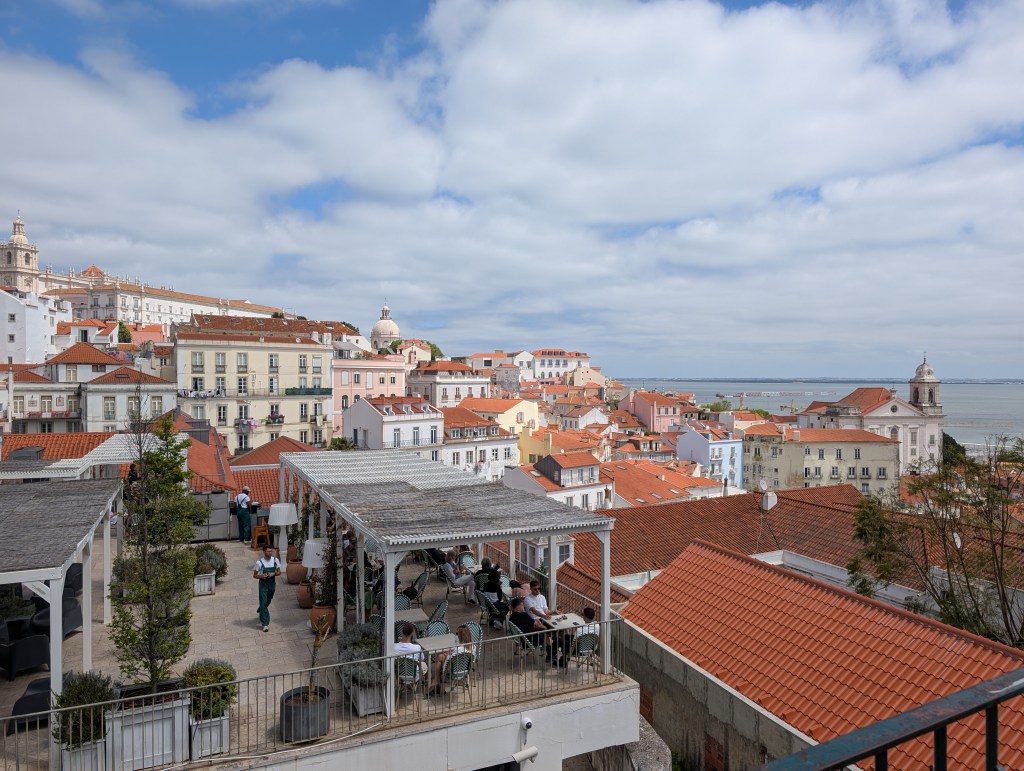
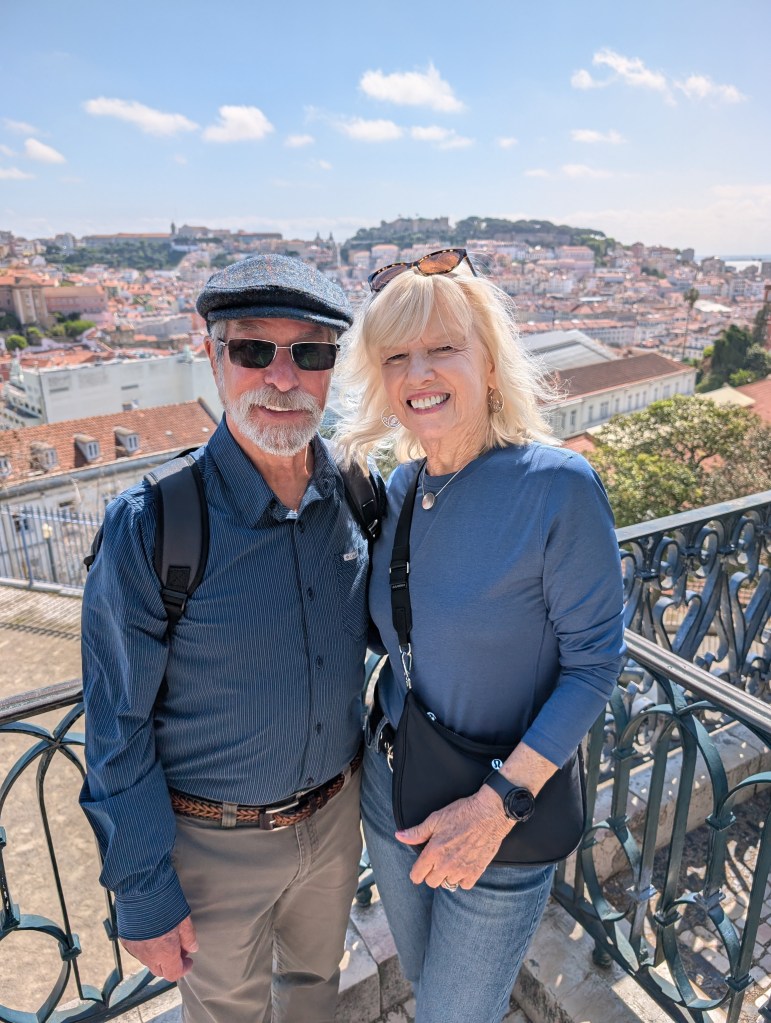
Lisbon is a city of countless steep steps that lead to amazing views:
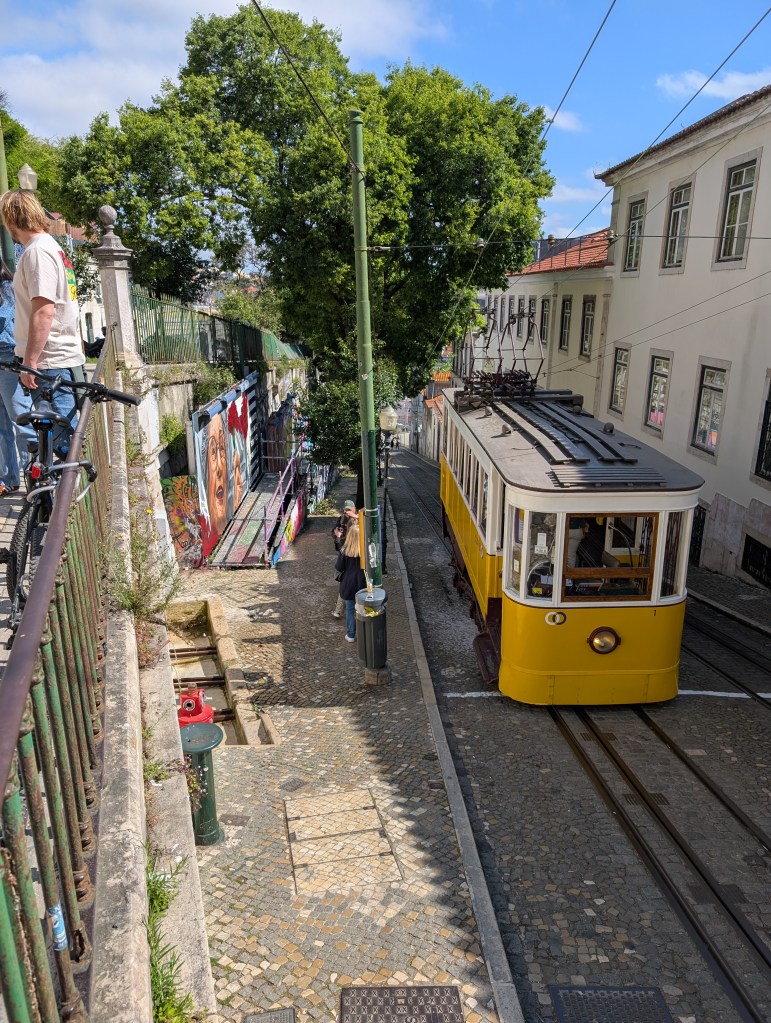
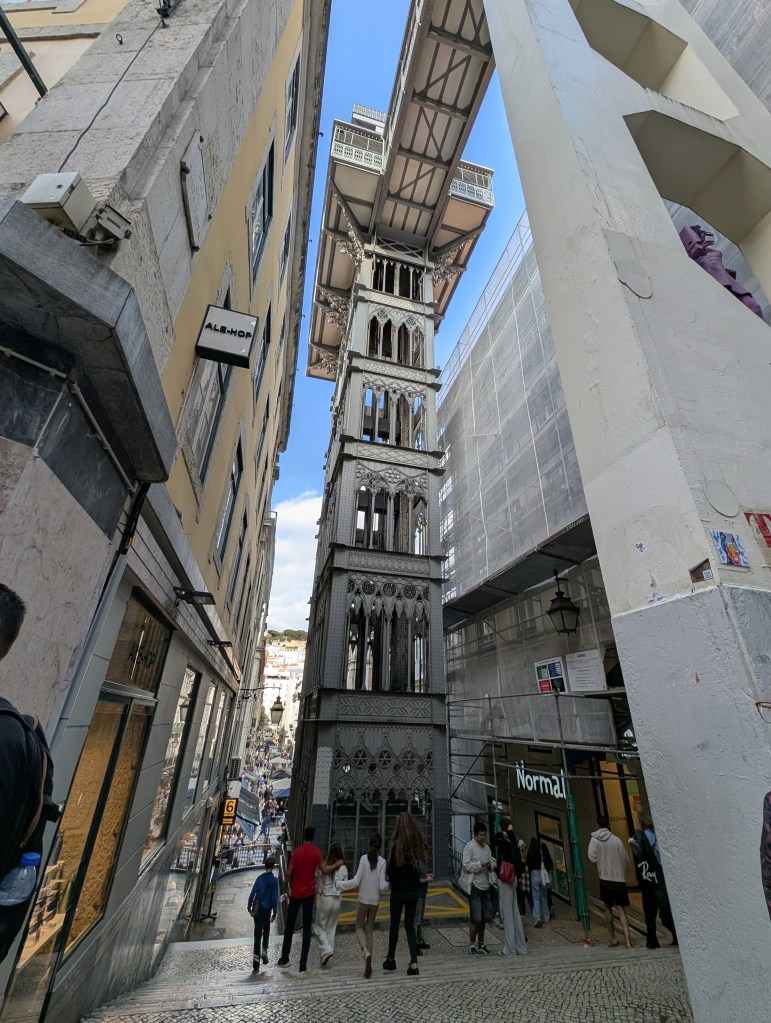
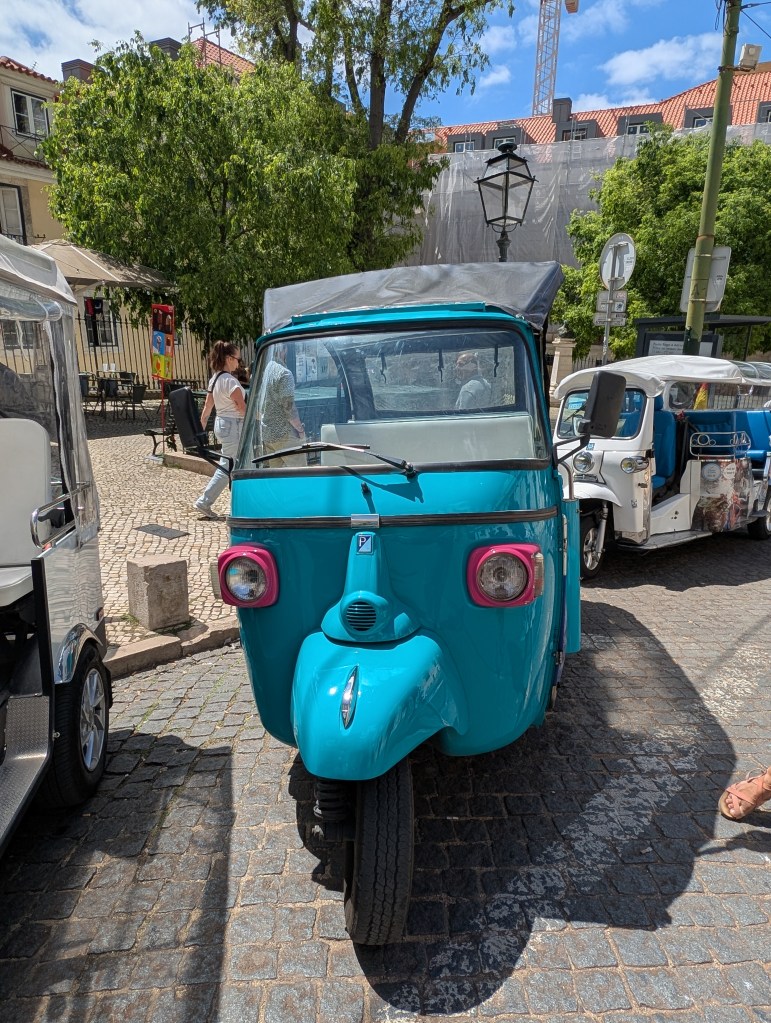
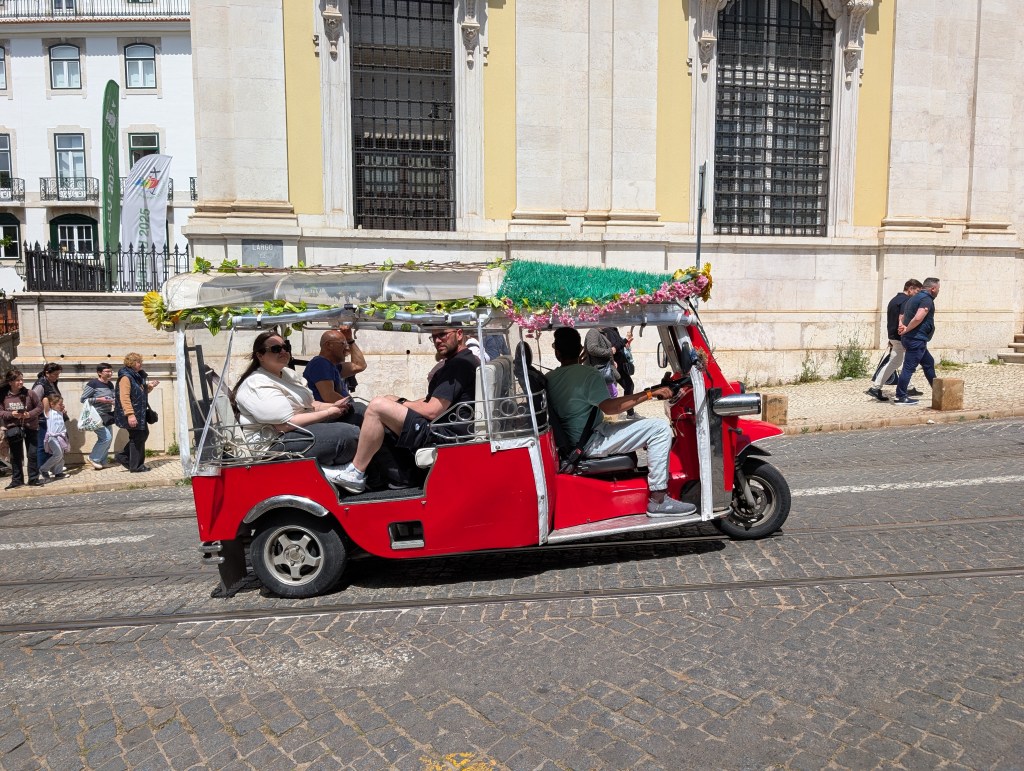
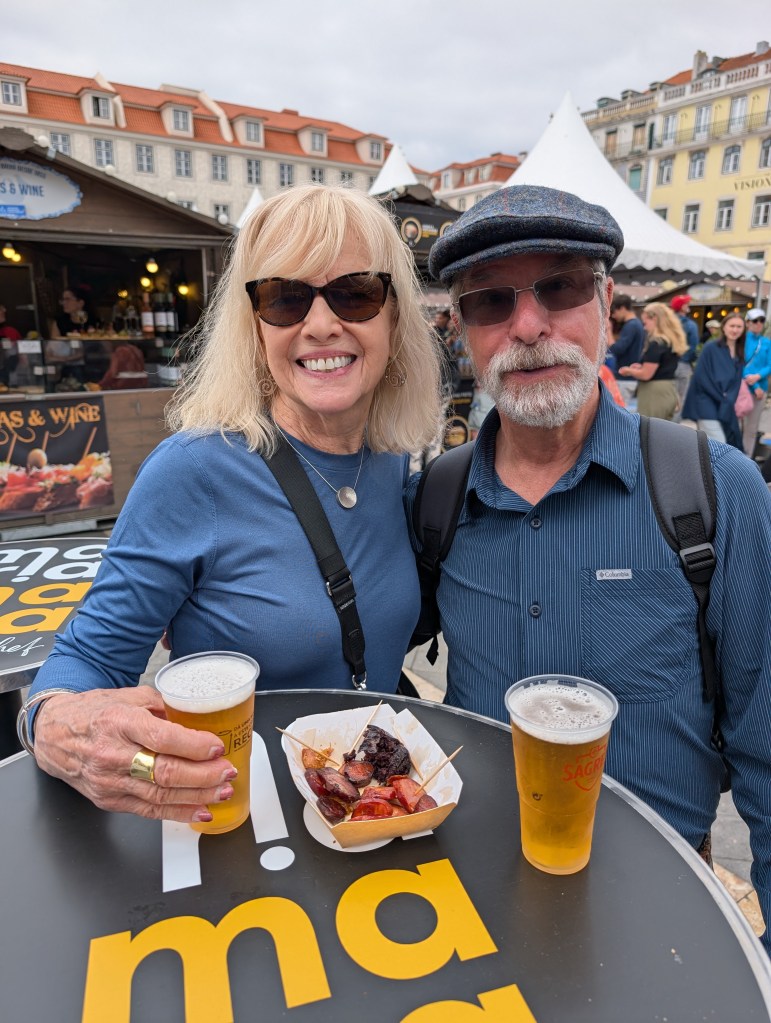
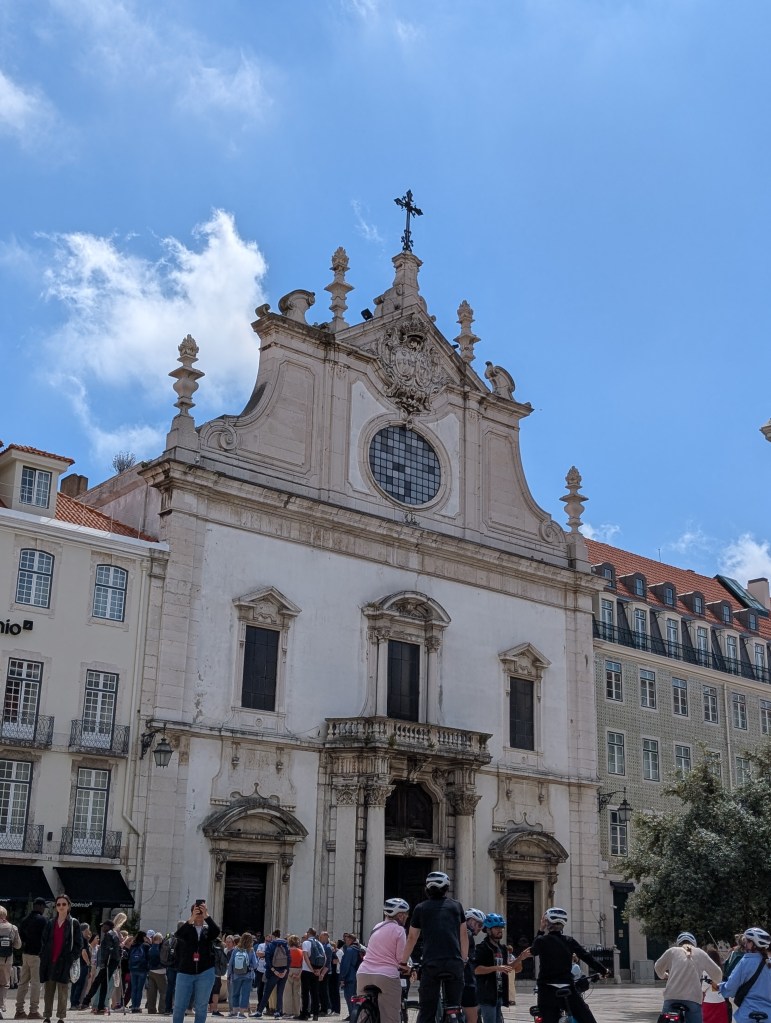
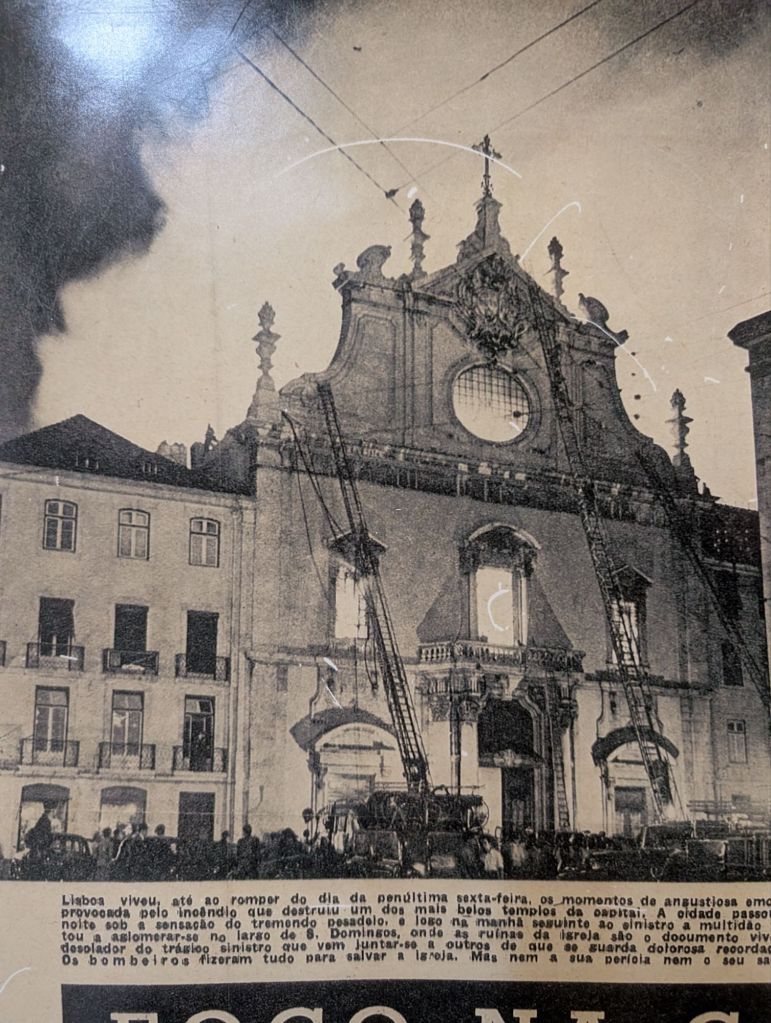
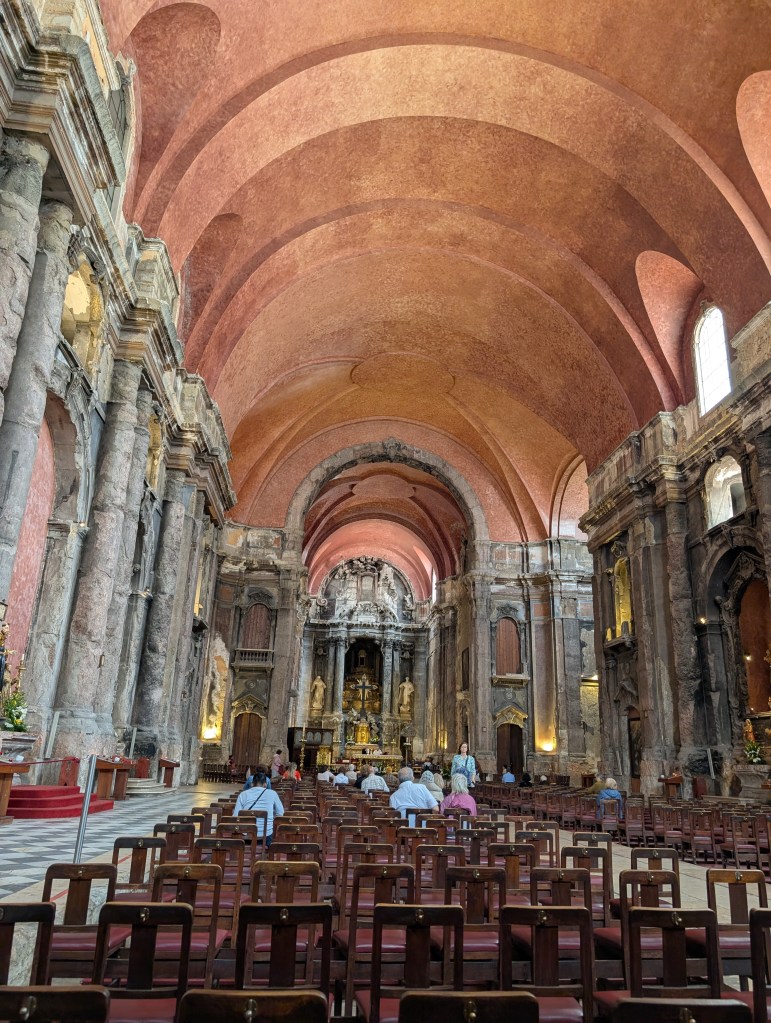
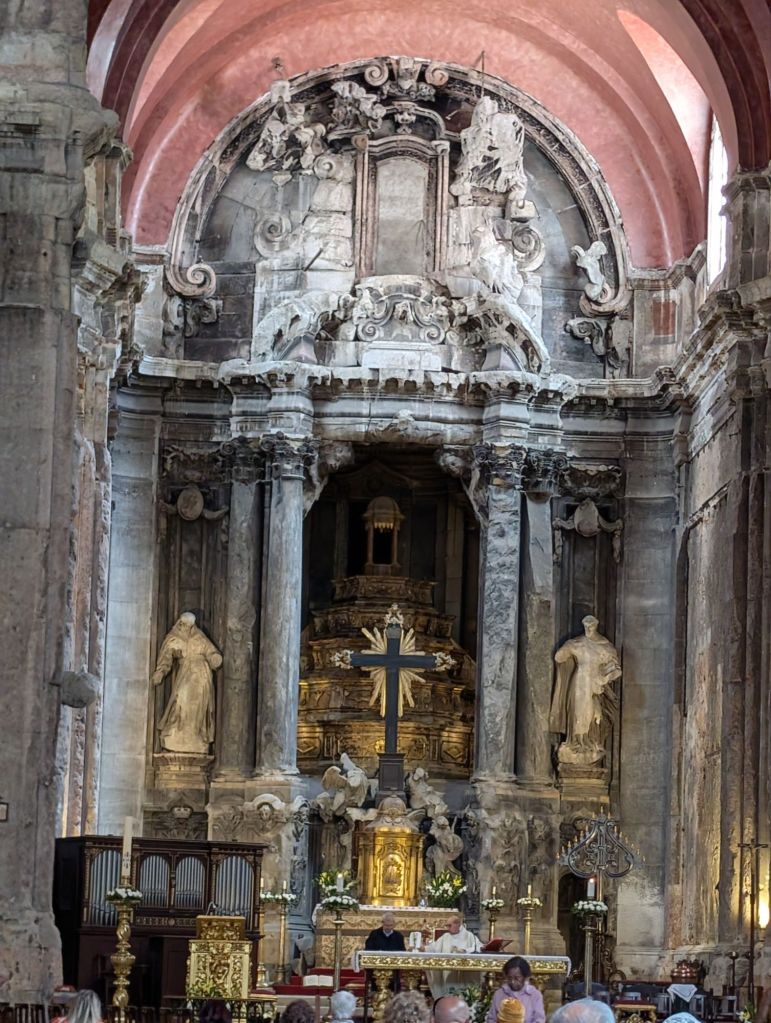
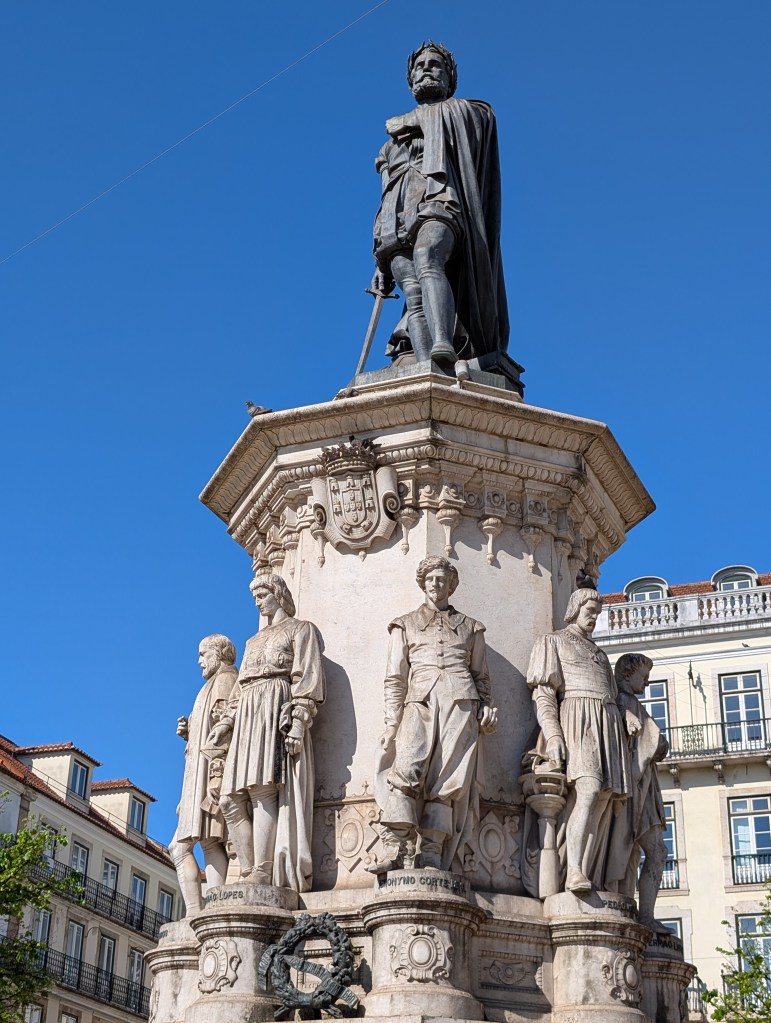
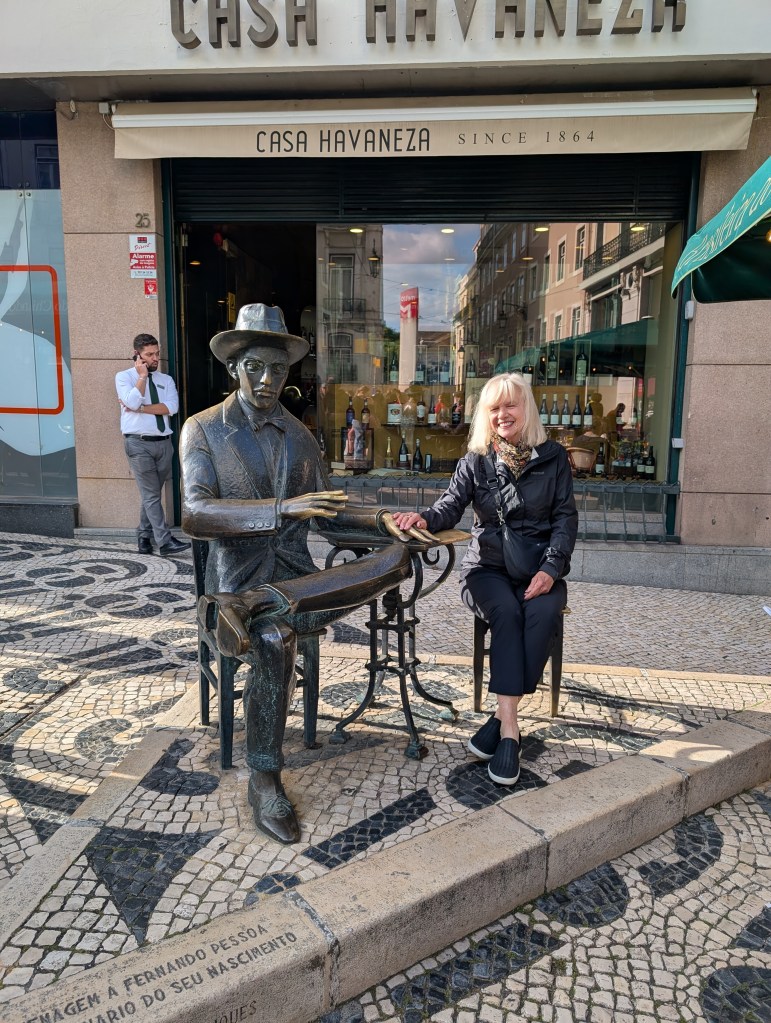
One fun way to avoid the steep steps was riding the funicular Another mode of transportation and a tourist attraction is the Santa Justa Lift which connects the upper and lower parts of the cityAnd there are the tuk-tuks that offer guided tours of Lisbon. We saw them bumping over the cobblestones all over LisbonWe stopped at a street market to refuel with sausages—including blood sausage—and beerThe Church of St. Dominic (1241) has a long sad and ugly history. It was the site of a massacre in 1506 when thousands of New Christians (previously converted Jews) were murdered by the Christian mob. And during the Inquisition, executions took place in the square in front of the church. It was severely damaged by two earthquakes in 1531 and 1755. After being rebuilt in 1805, it was almost completely destroyed in 1959 when two firefighters were killed. It was finally reopened in 1994. The restoration left evidence of the fire. The church is classified as a National Monument.The Luis de Camoes monument 1867. Camoes is considered Portugal’s greatest poet, comparing him to Shakespeare and Dante. His most notable work is “The Lusiads,” an epic poem that celebrates the discovery of a sea route to India by the Portuguese explorer Vasco de Gama.Statue of the famous Portuguese writer and poet, Fernando Pessoa, sitting in front of the oldest cigar shop in Portugal
On our way back to our hotel, we joined the crowds celebrating Freedom Day
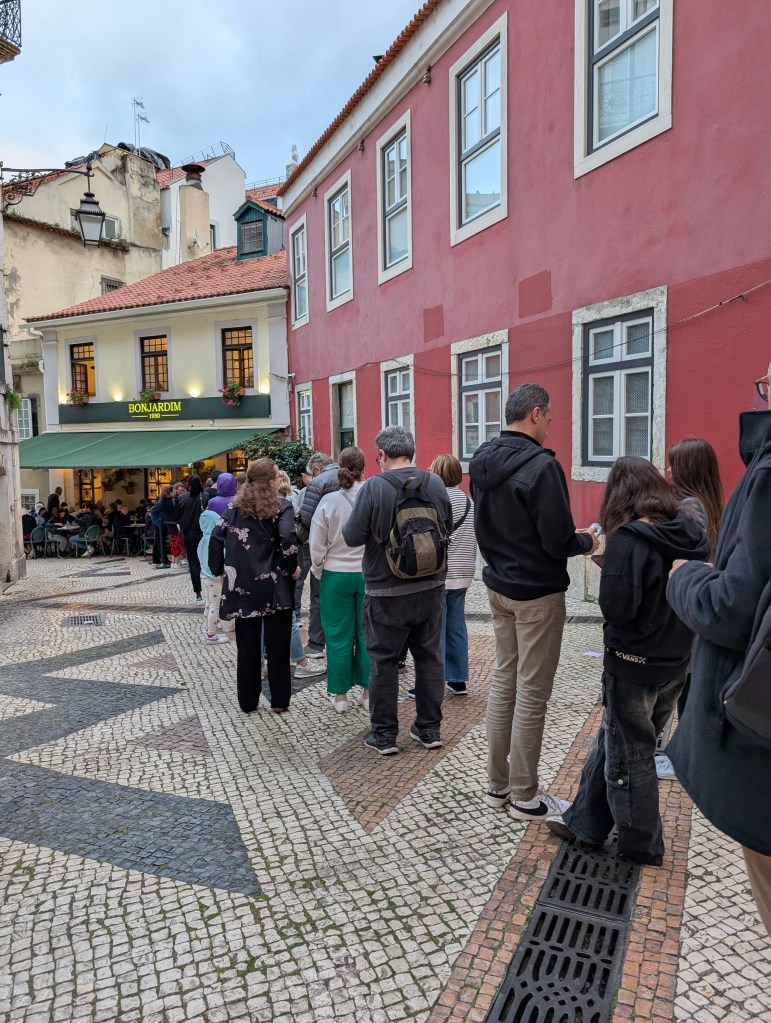
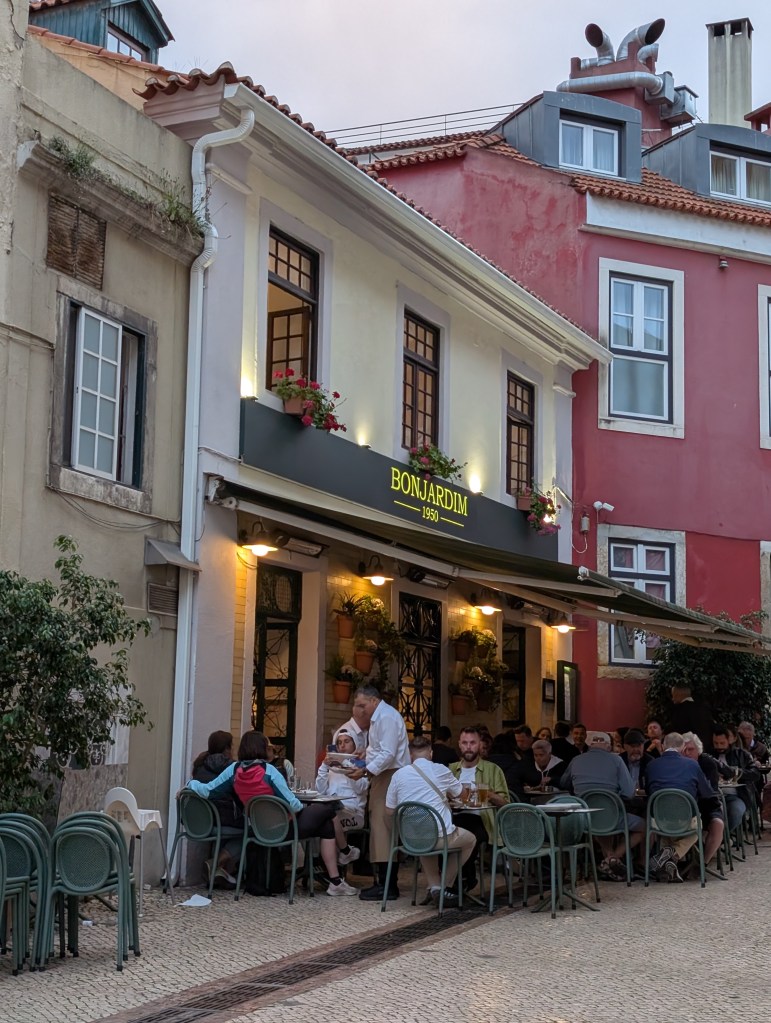
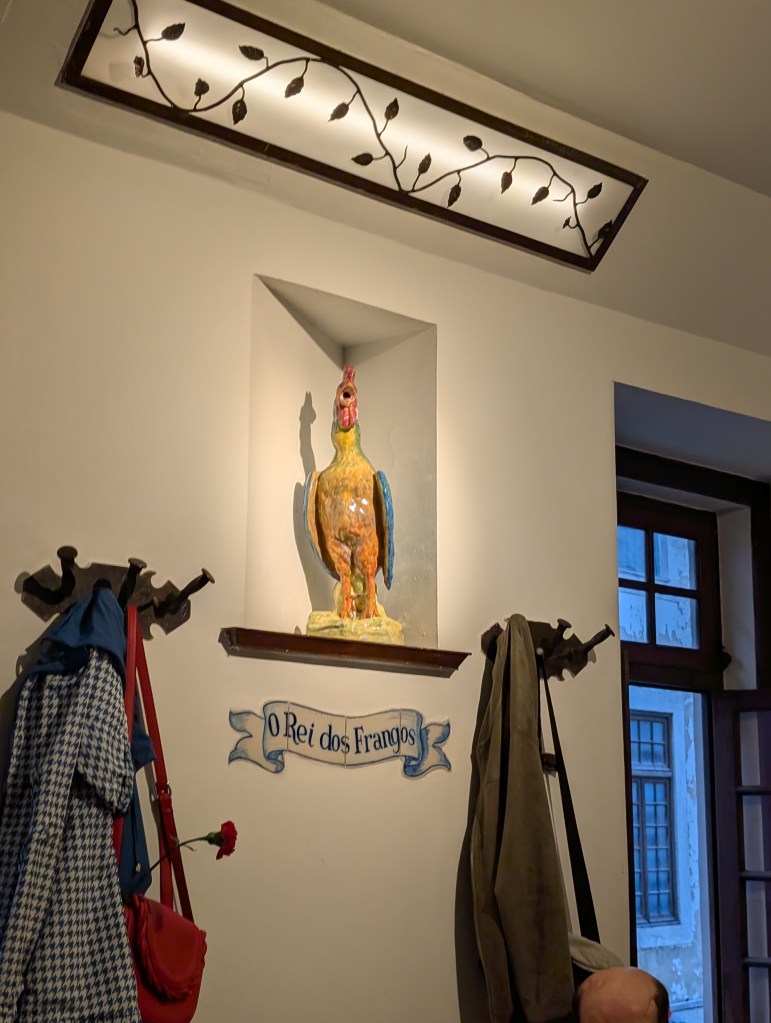
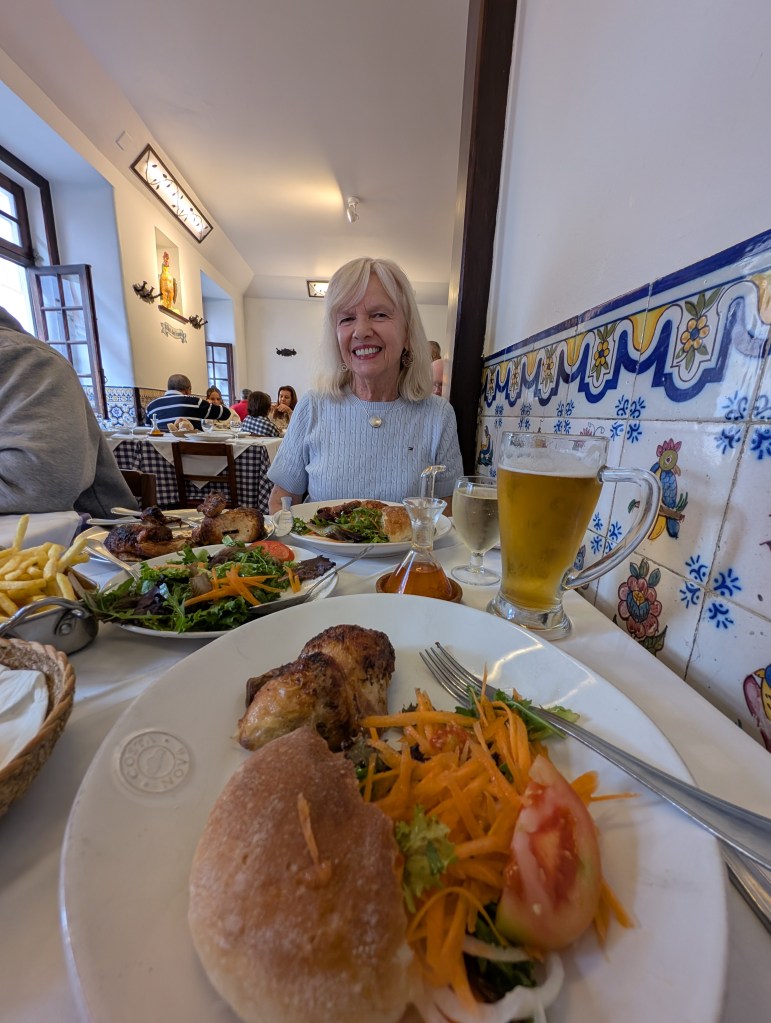
Hunting for a place for dinner, we happened upon Bonjardin, a great restaurant that specialized in split rotisserie chicken. Coincidentally we’d been craving roast chicken. The waiting line was long, which signified it was worth the wait. We weren’t disappointed. The chicken was delicious, and the waiter was terrific, so patient and considerate amidst the throng of hungry customers:
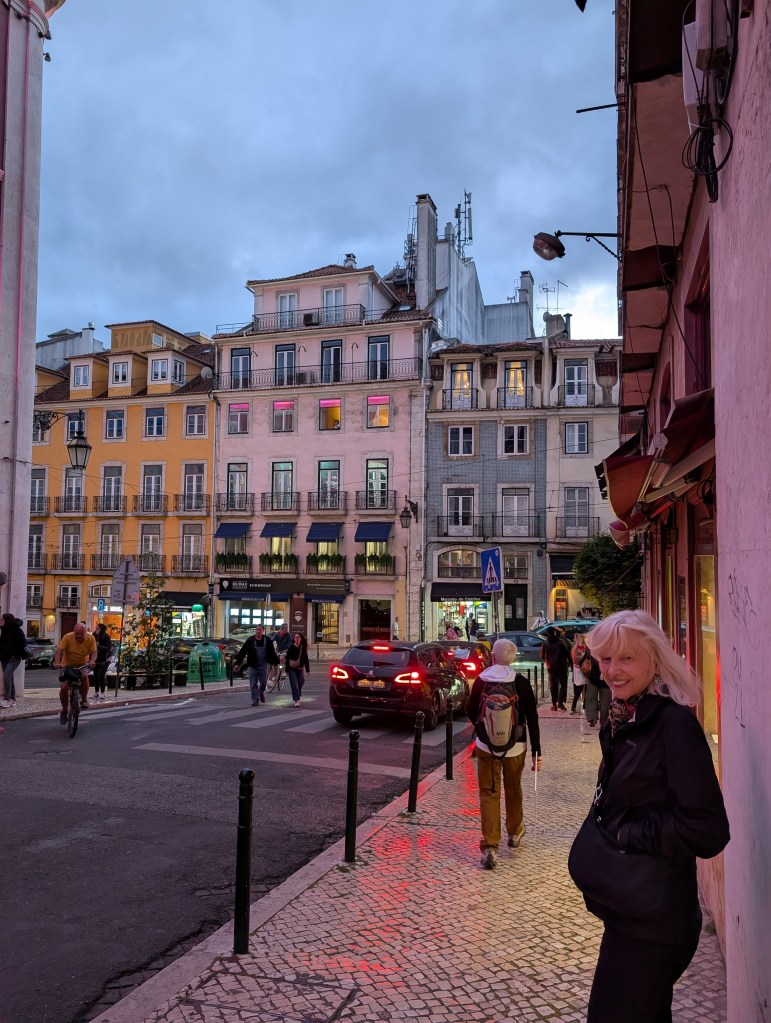
Walking homeTopping off a long but fun day with a glass of tawny port
One response to “Lisbon, Portugal (Day One)”
Daisy Leung
Luvit! Wonderful fotos + info. The weather looks great, too. What a nice way to conclude your big Spain-Portugal trip! 🤩




 Deb's Blog
Leave a reply to Daisy Leung Cancel reply