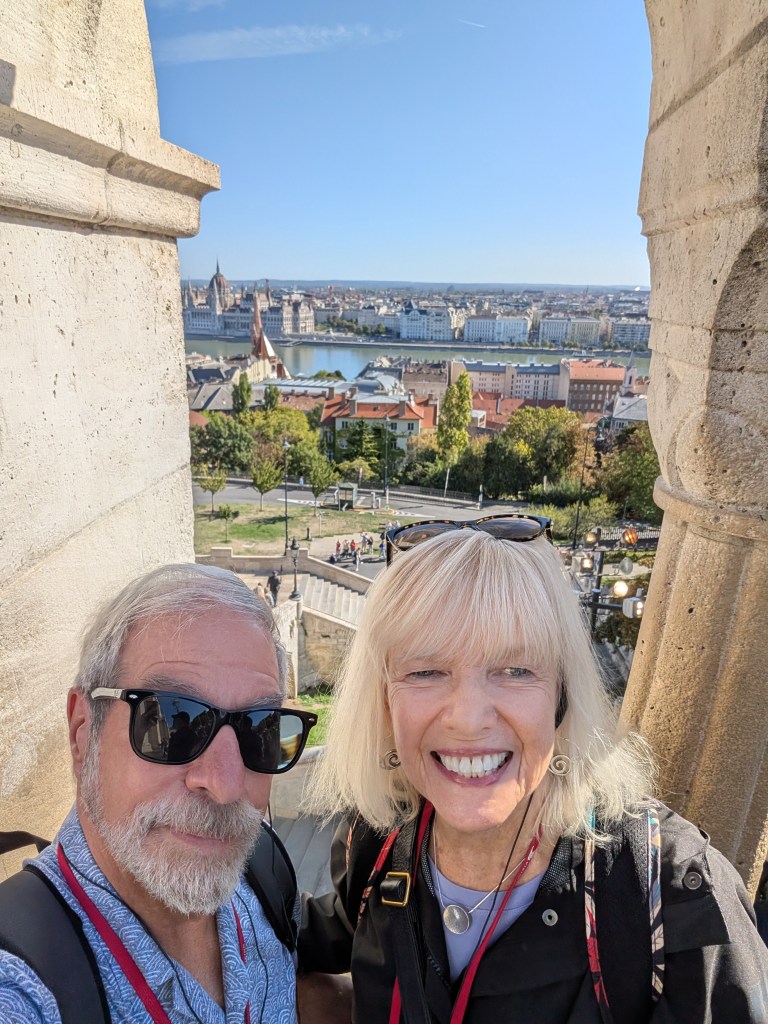
Budapest on the Danube:
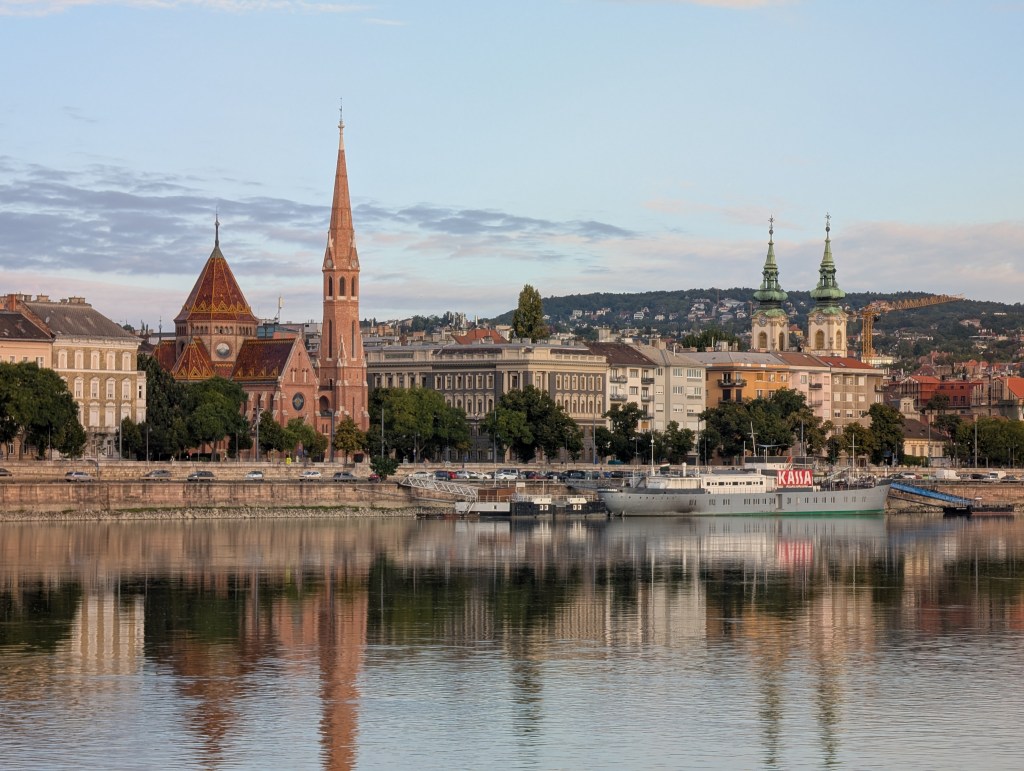

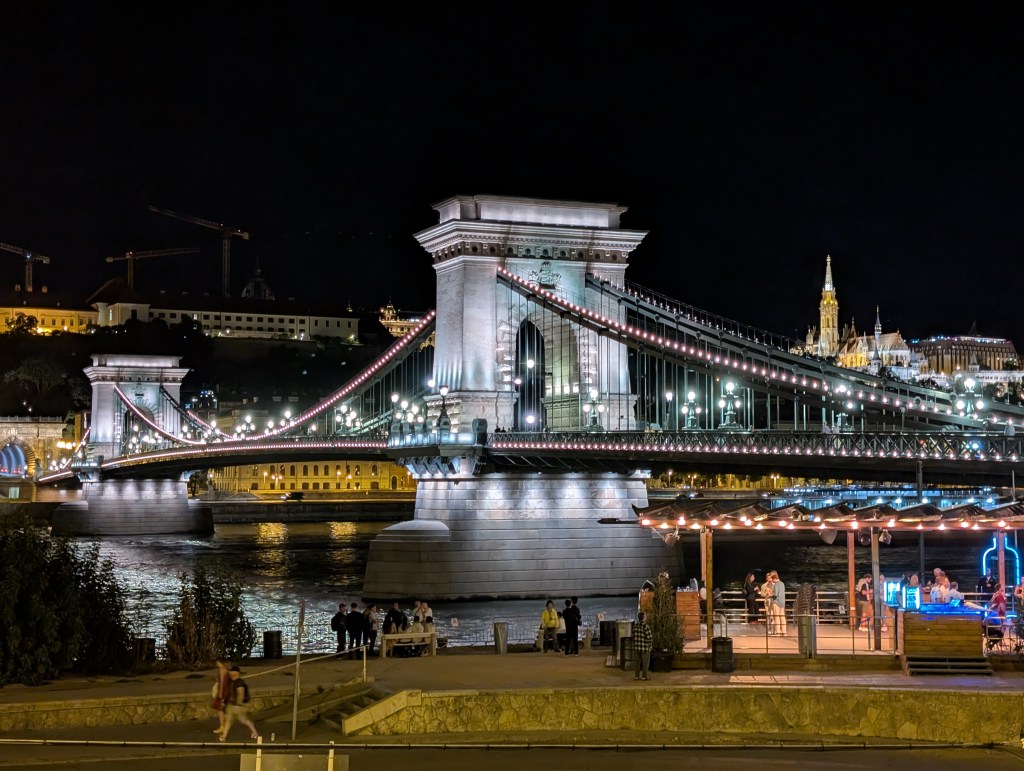
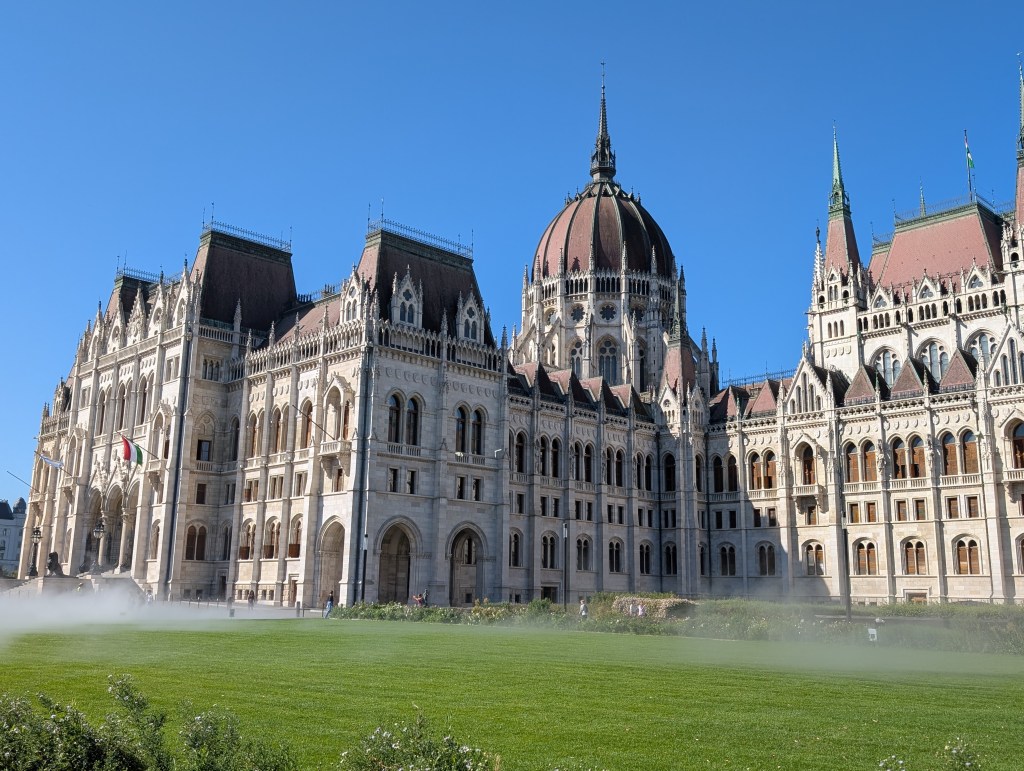
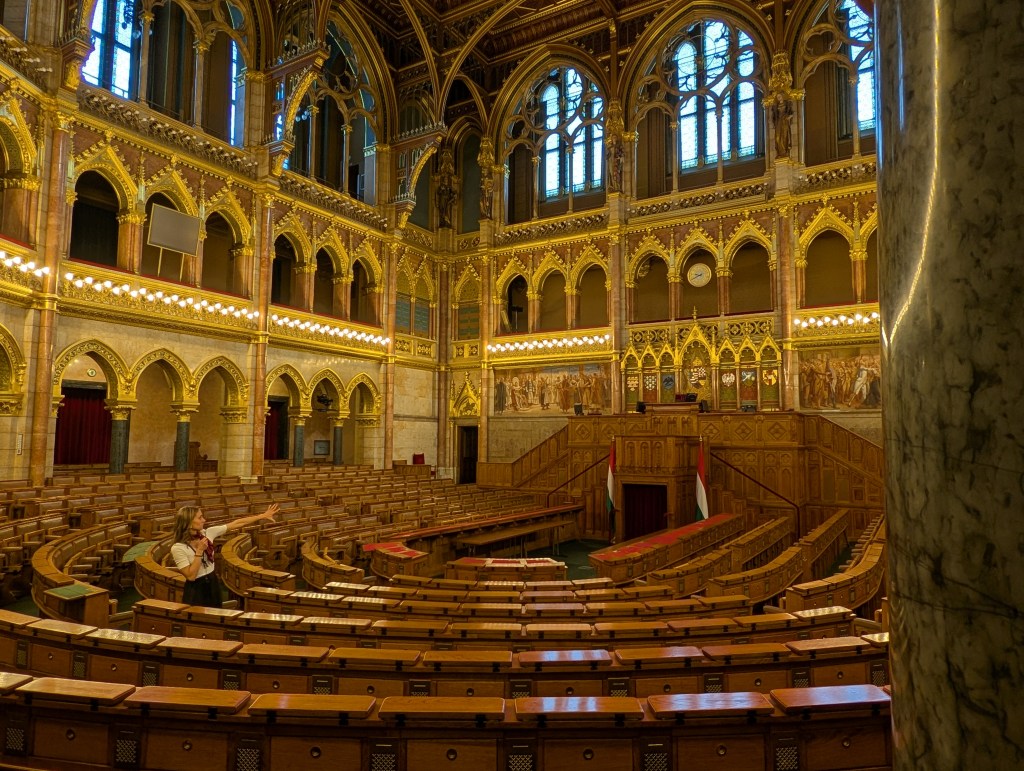
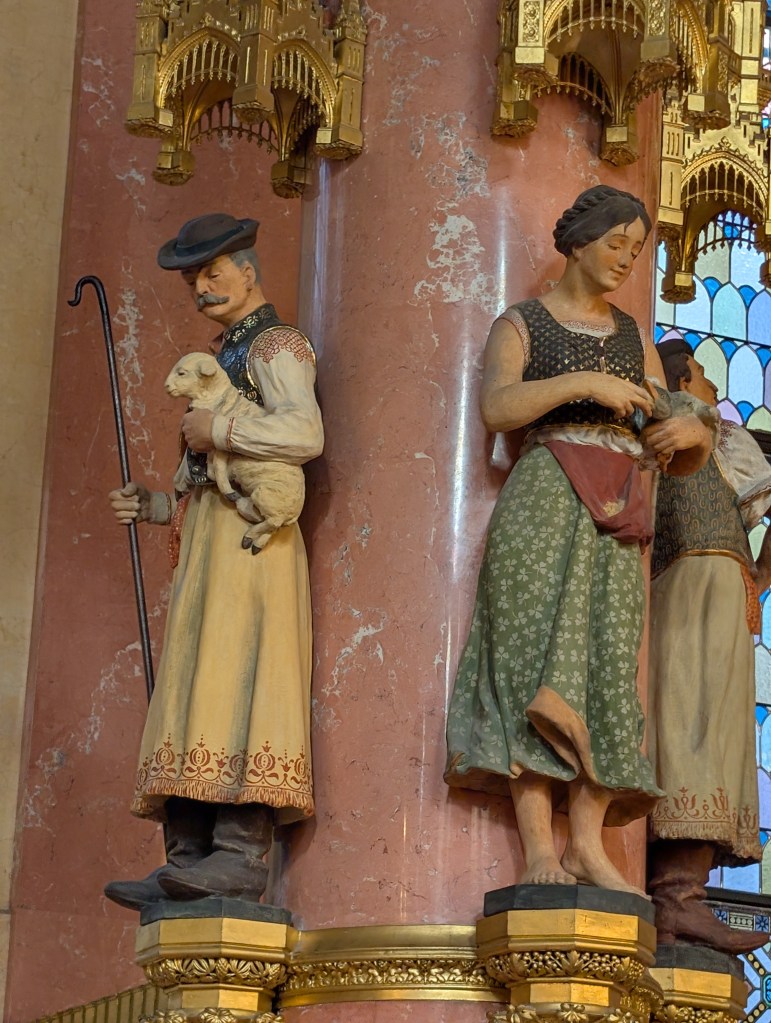
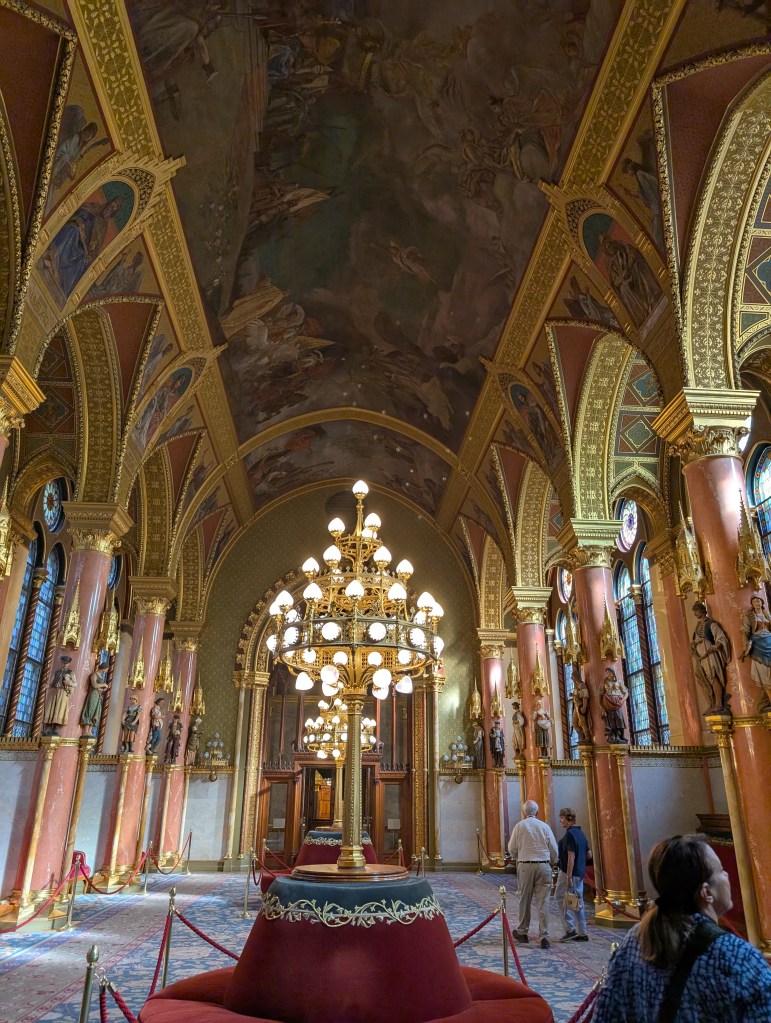
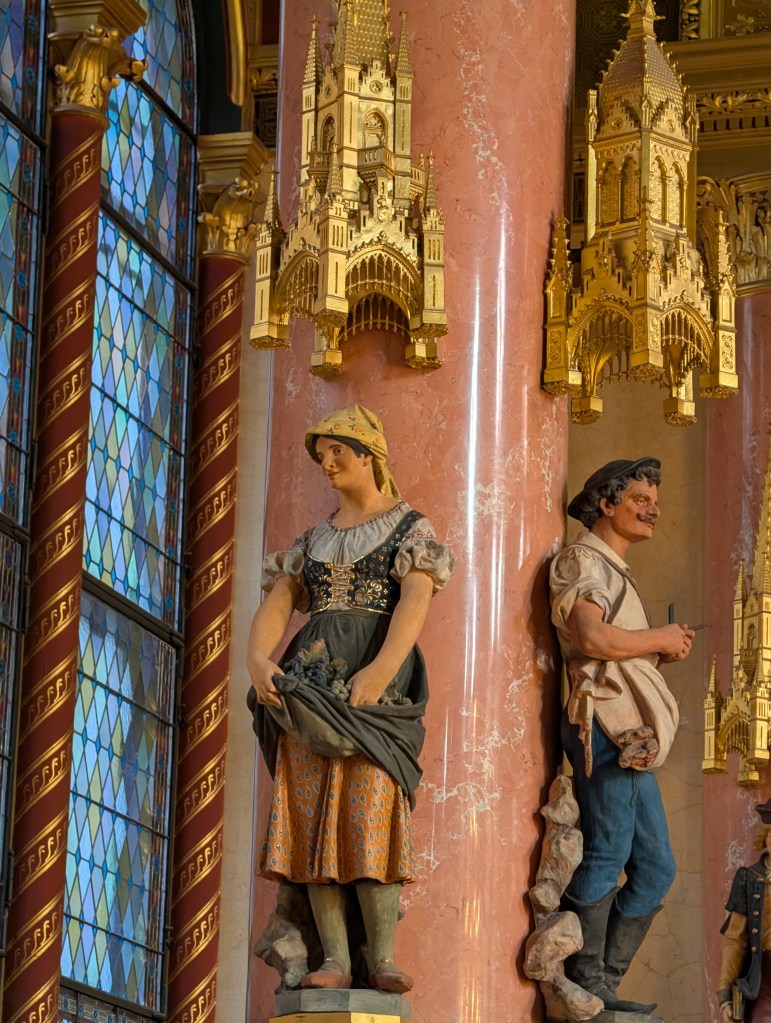
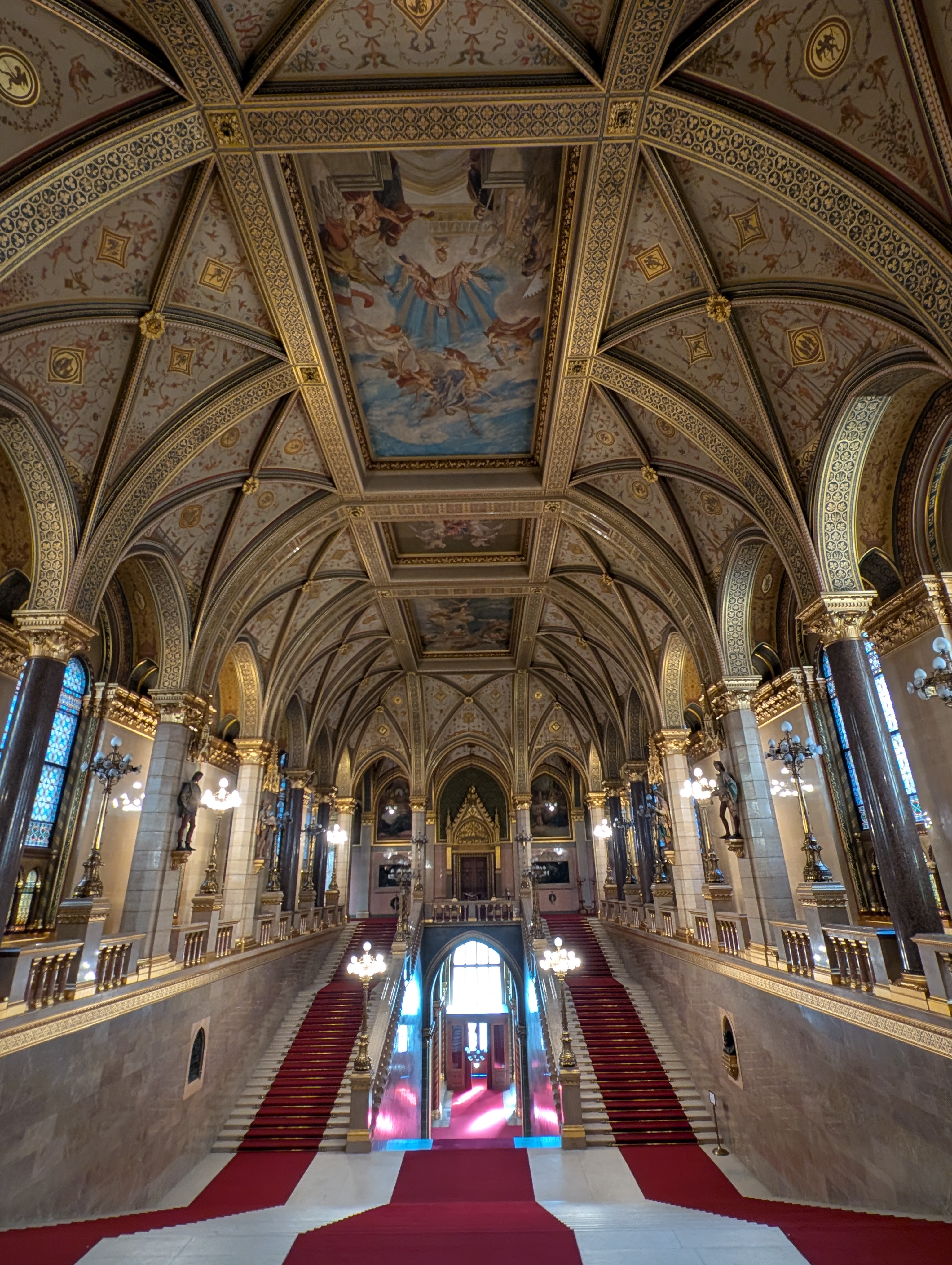
Parliament:

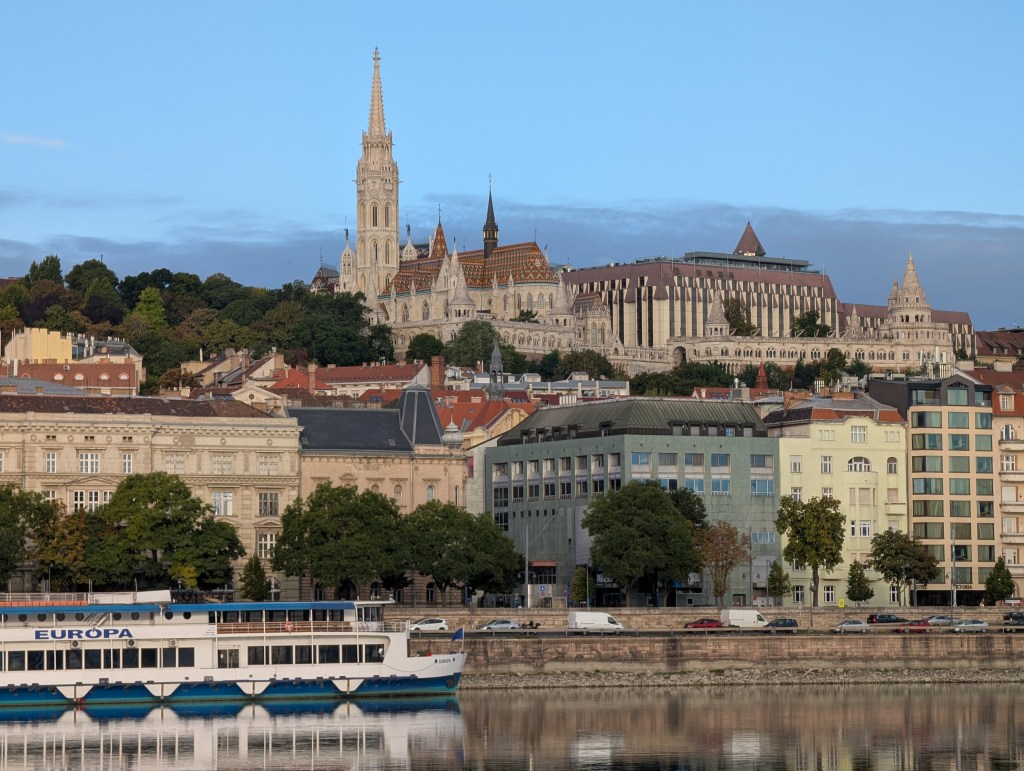
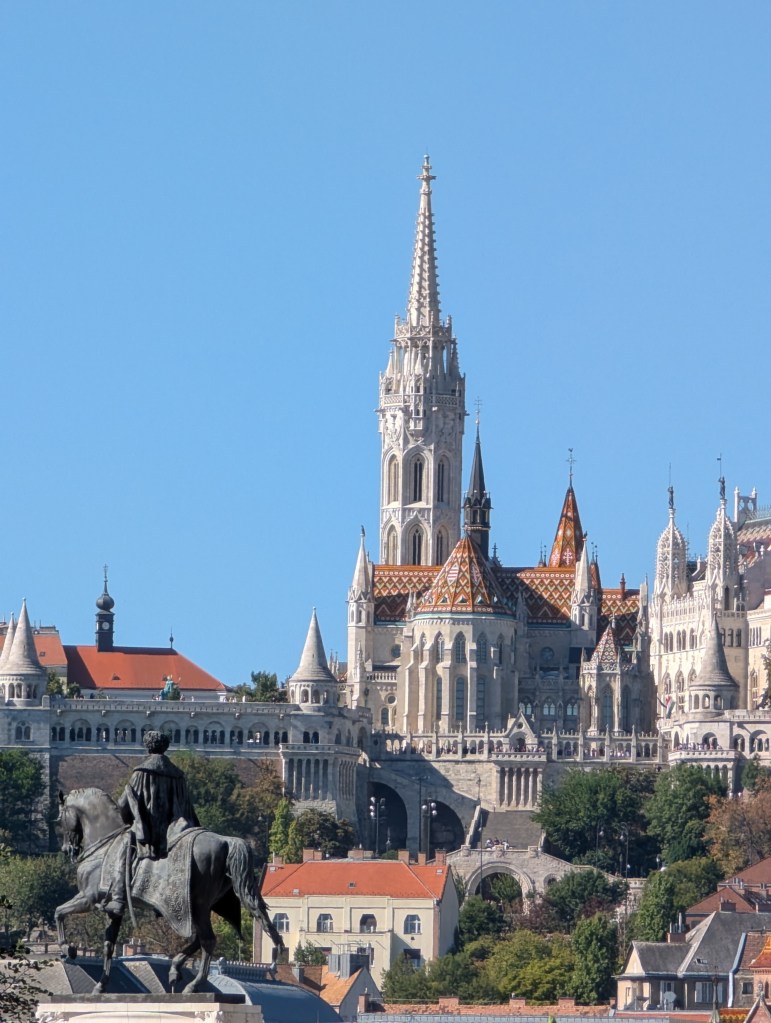
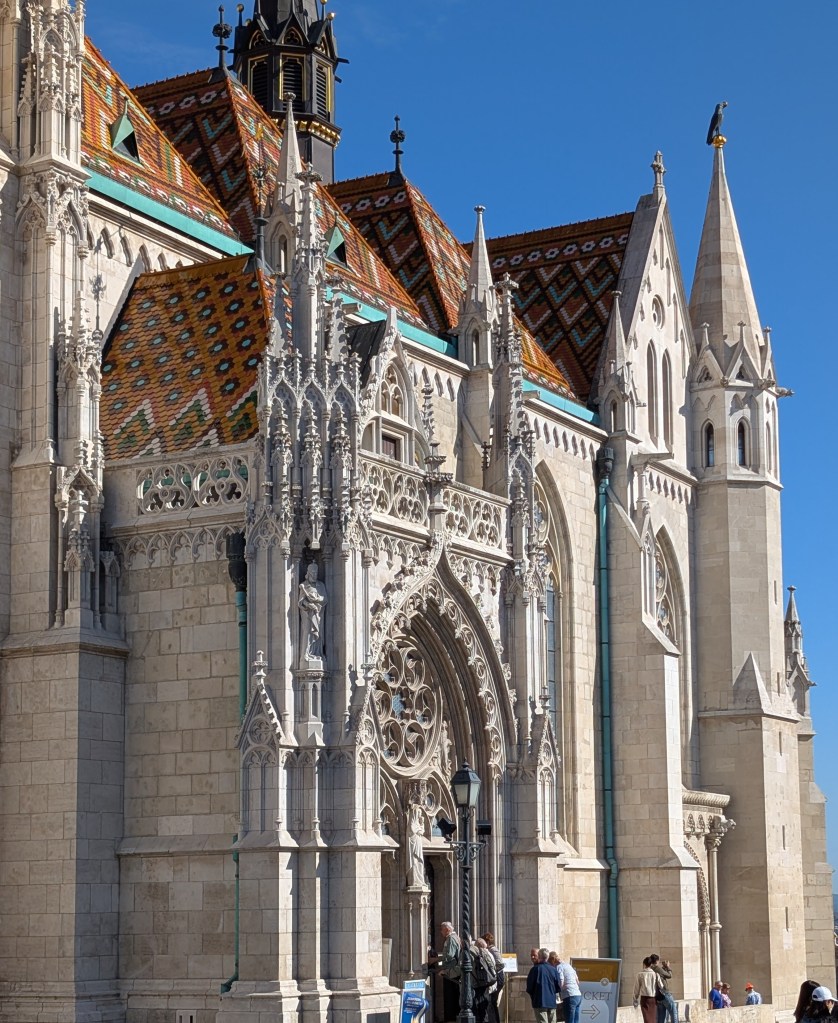
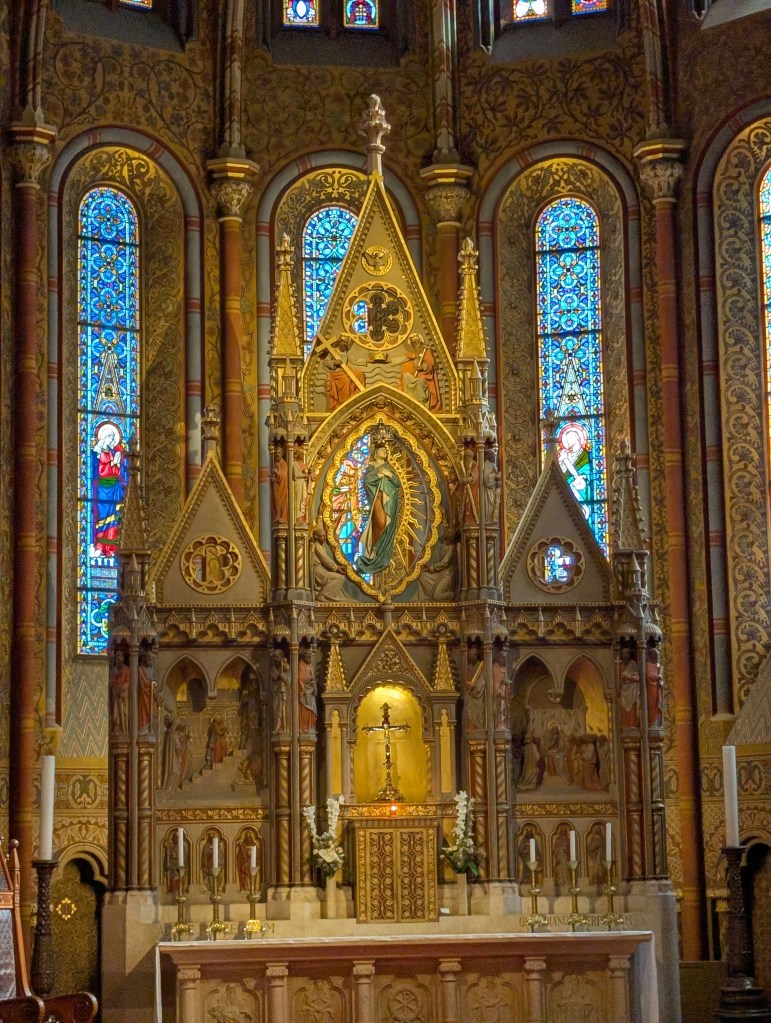
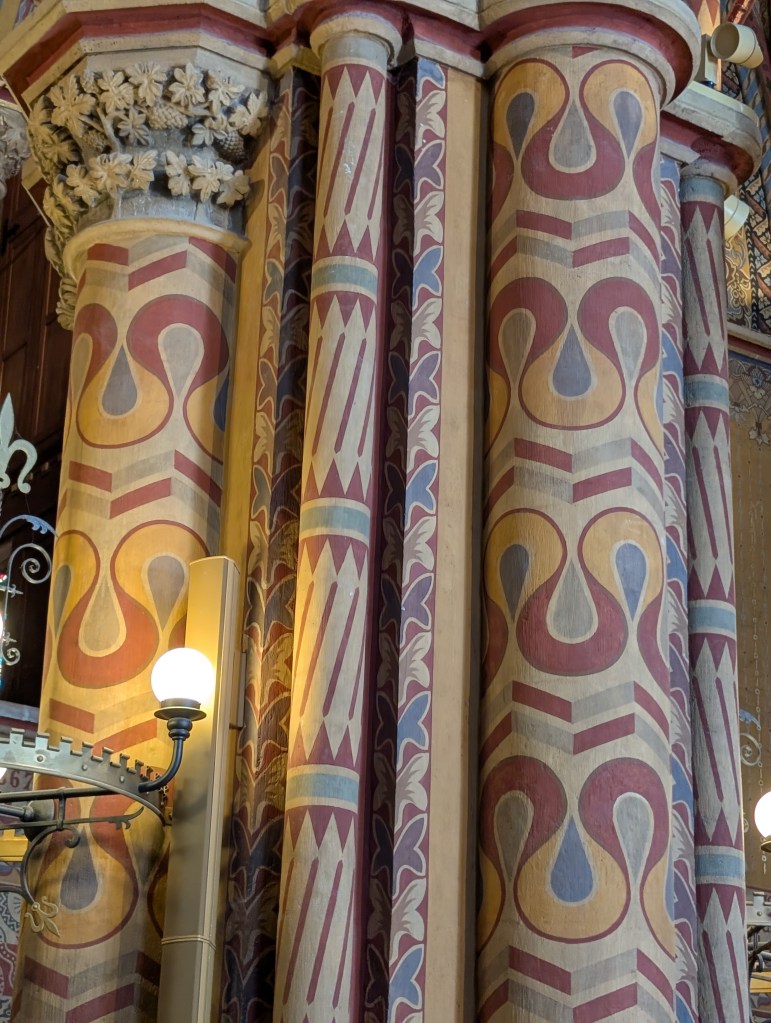
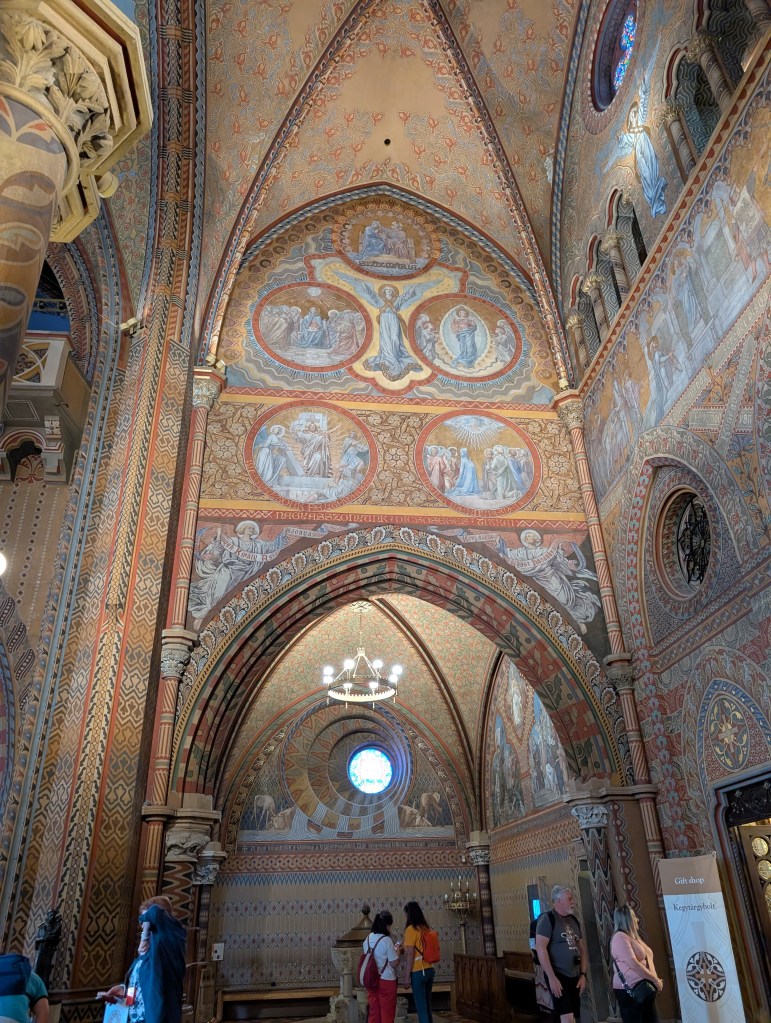
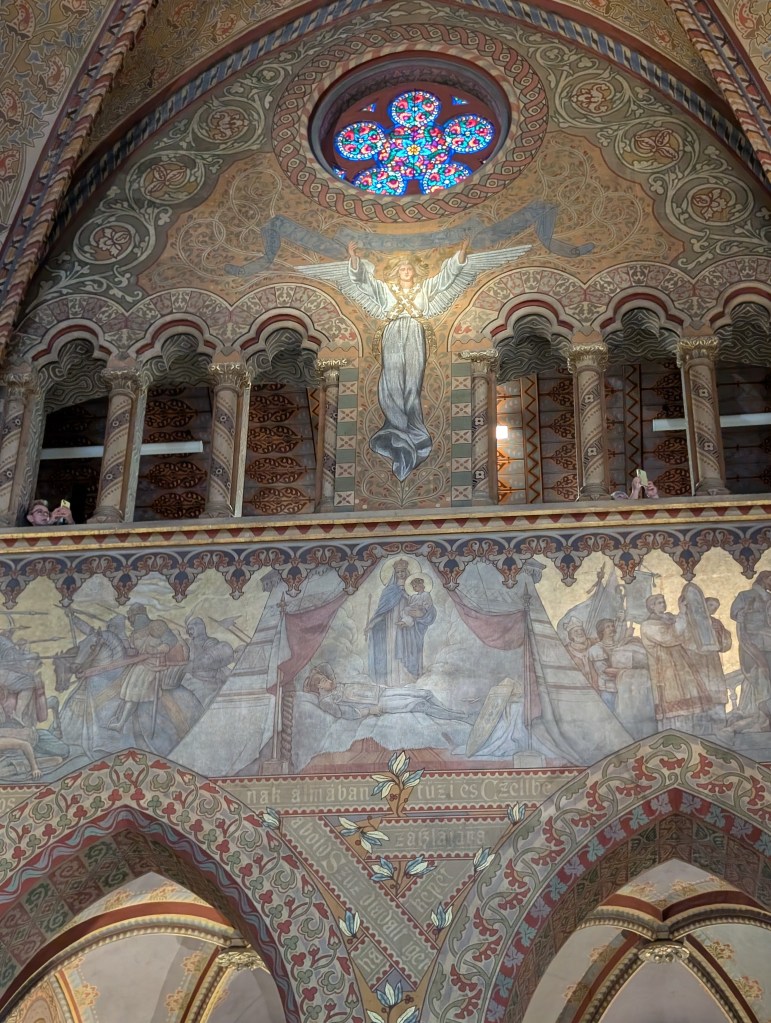
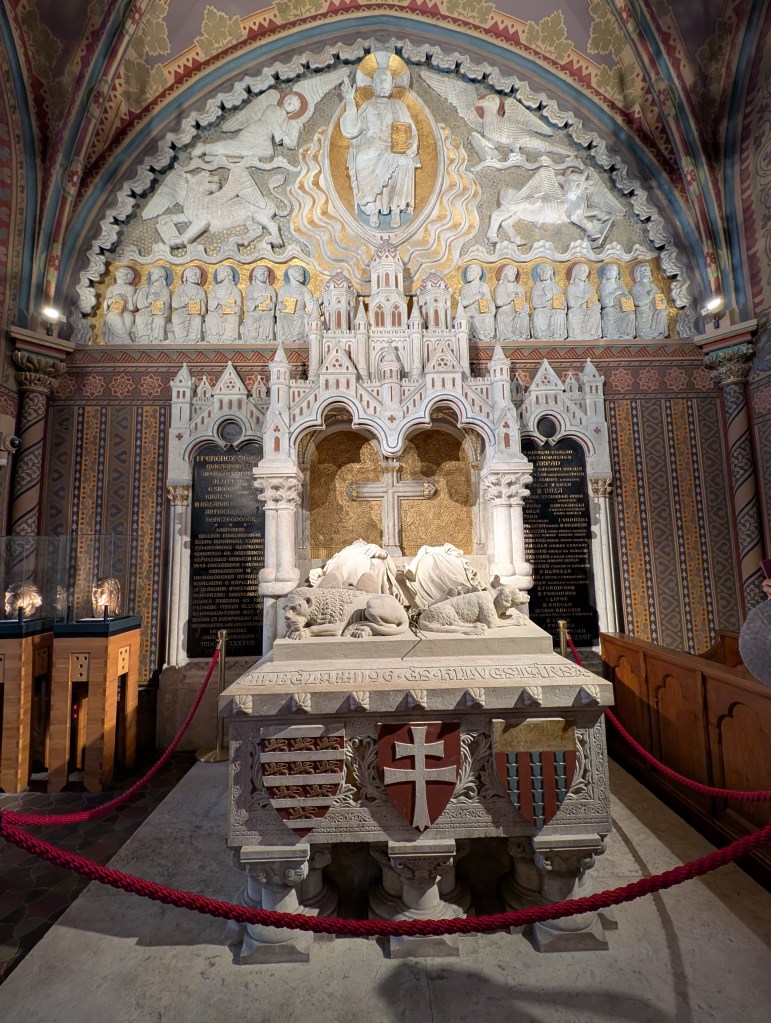
Matthias Church:
Roman Catholic church, 14th c., restored 19th c.

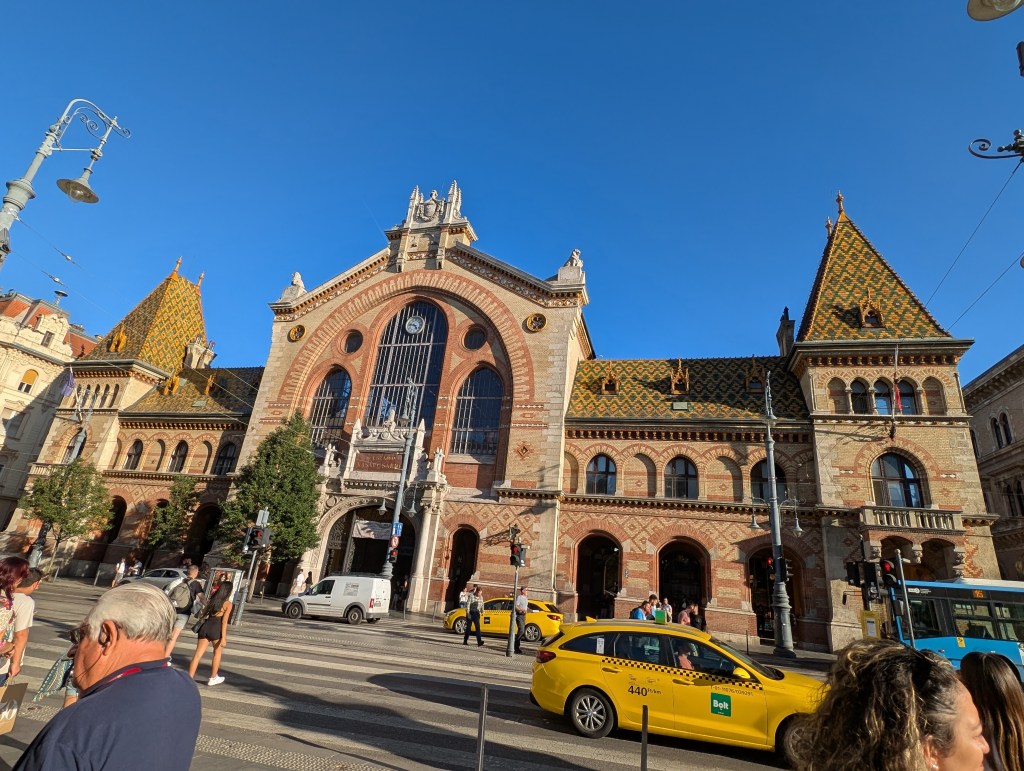
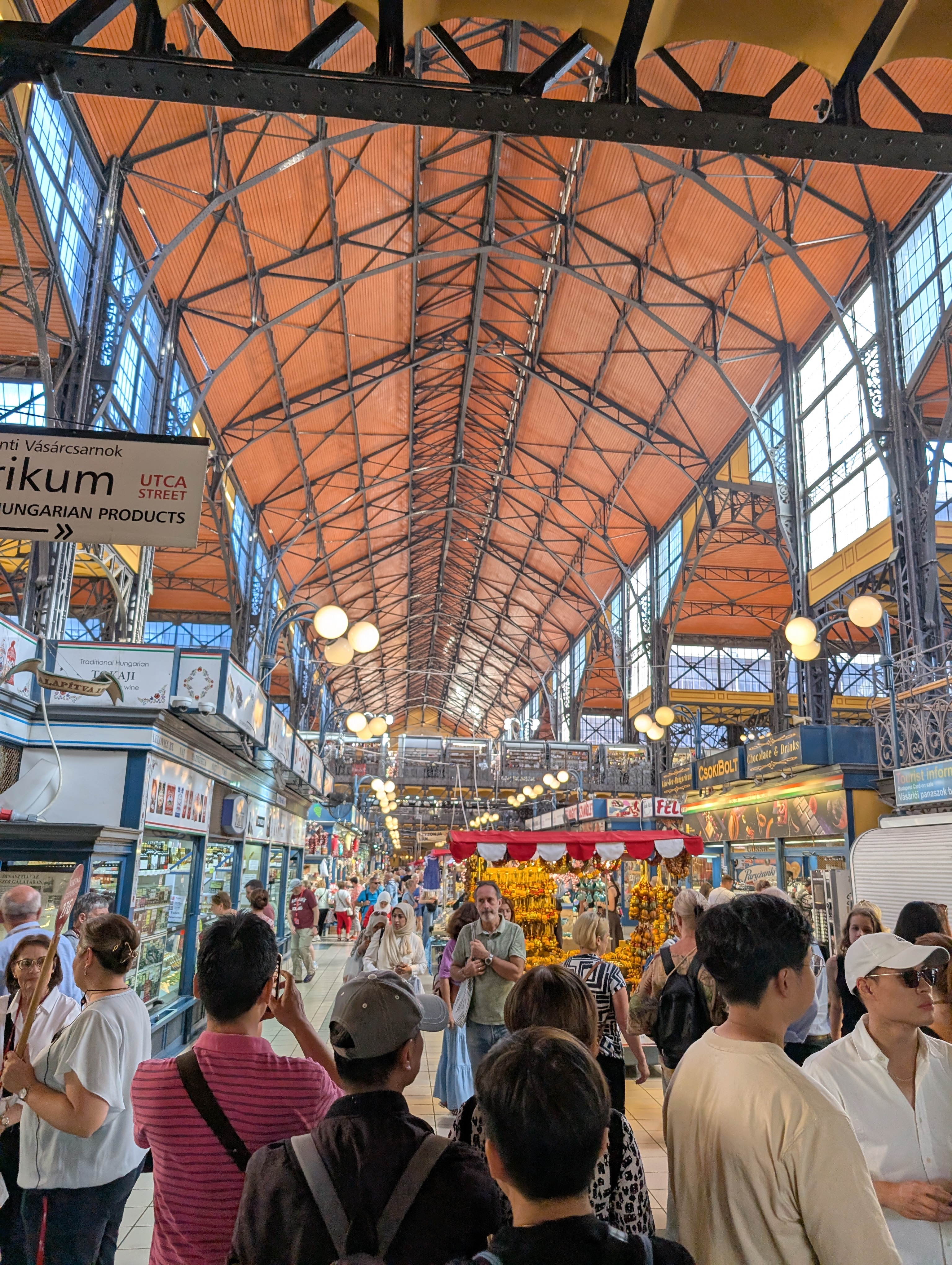
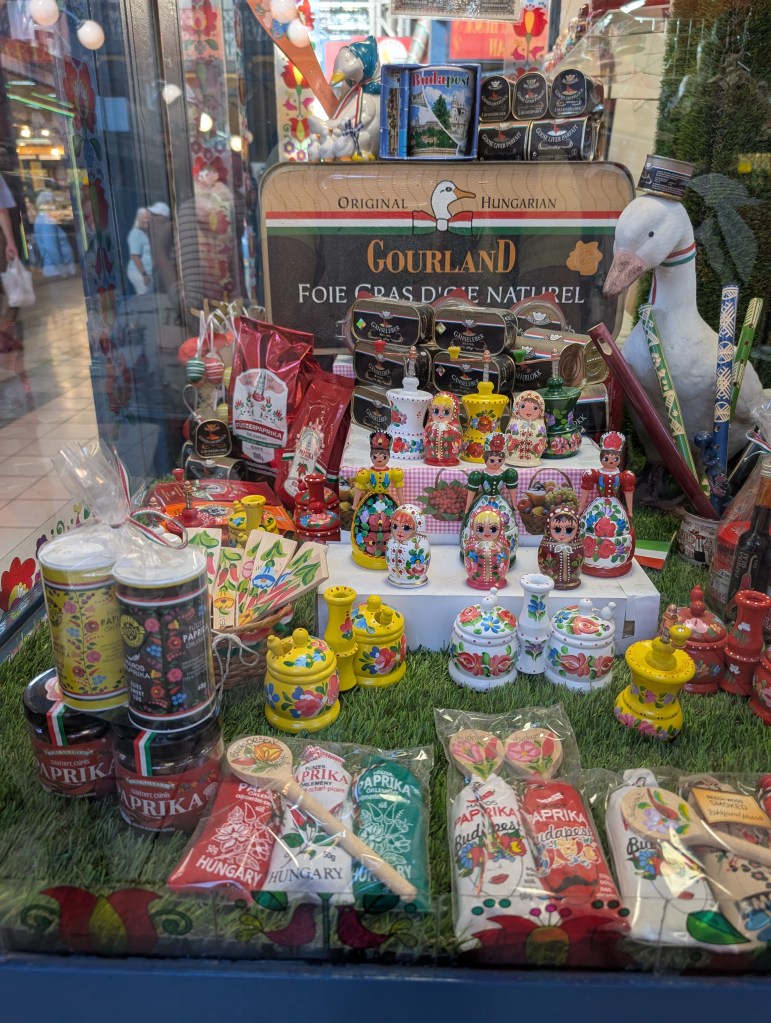
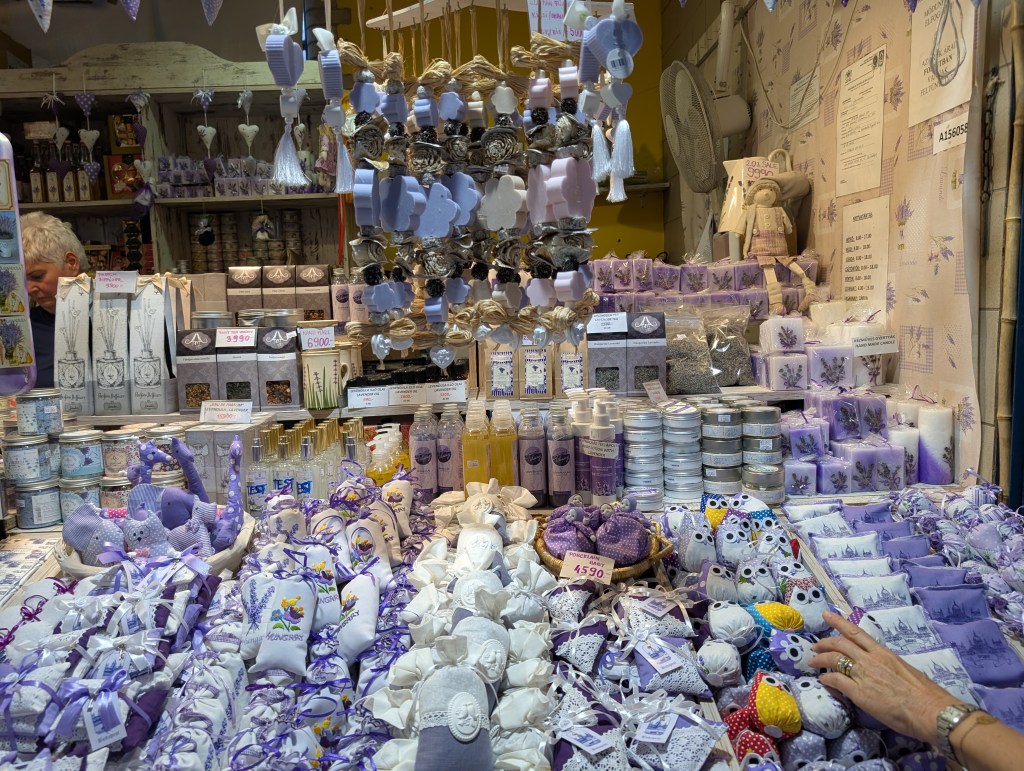
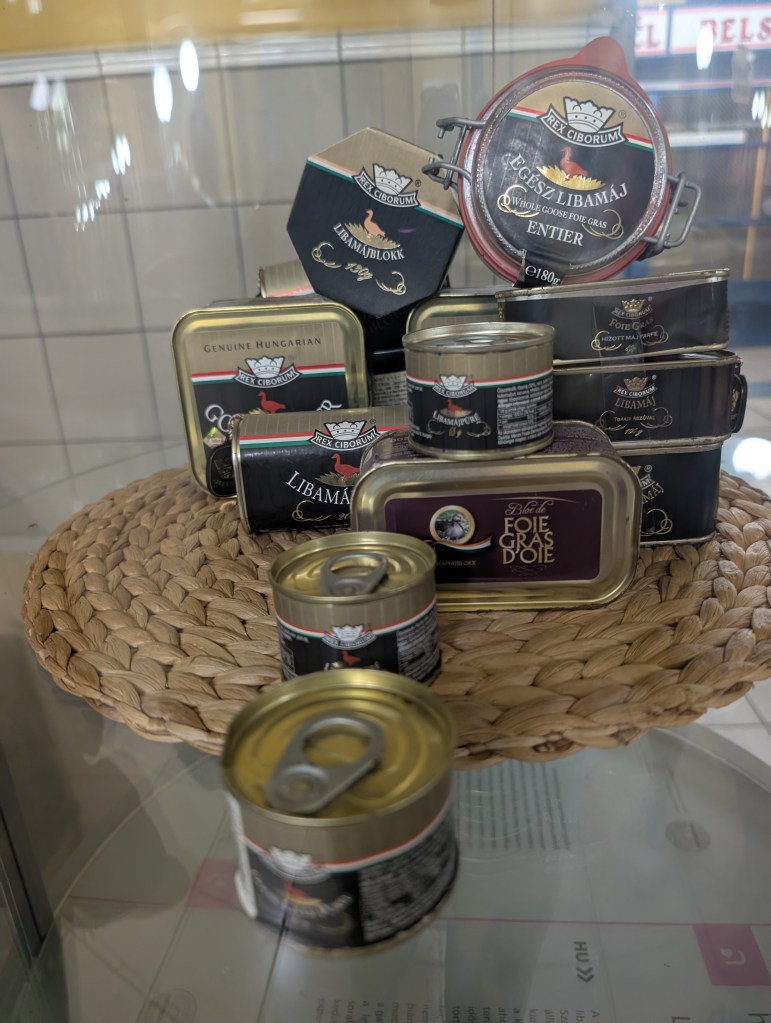
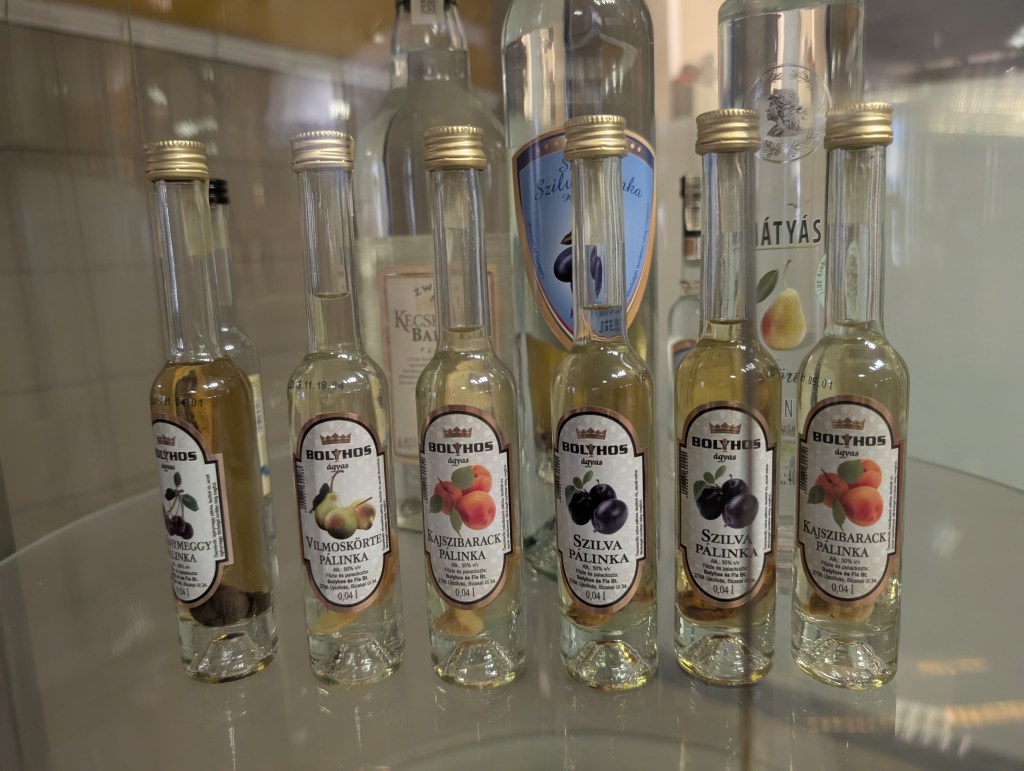
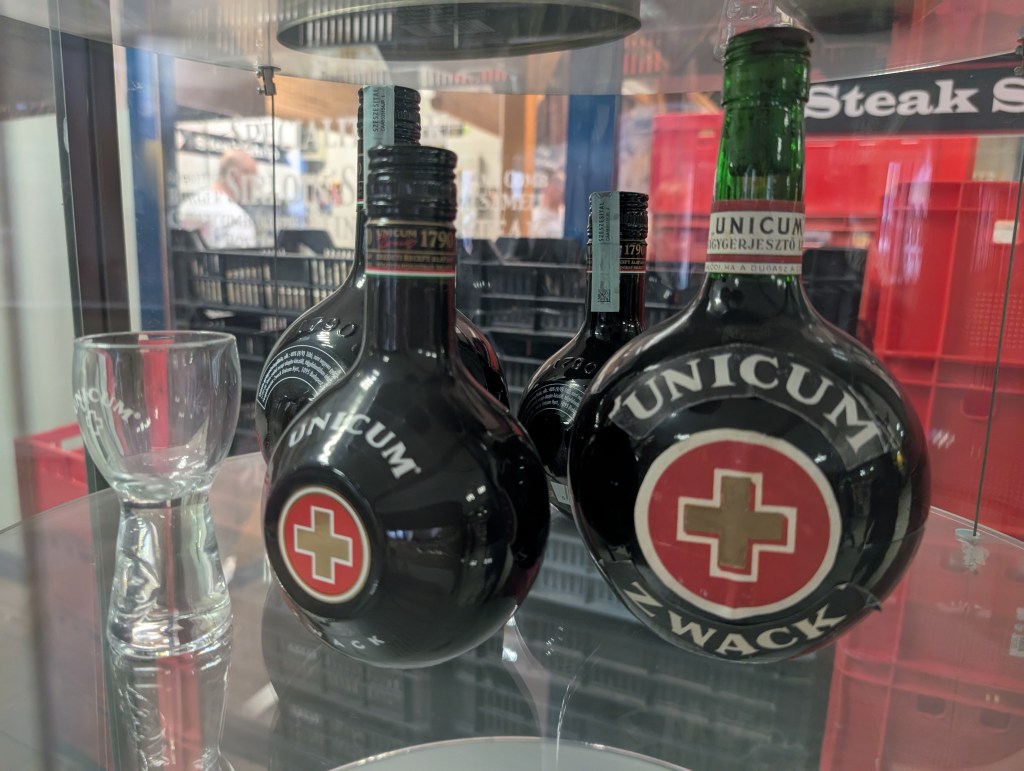
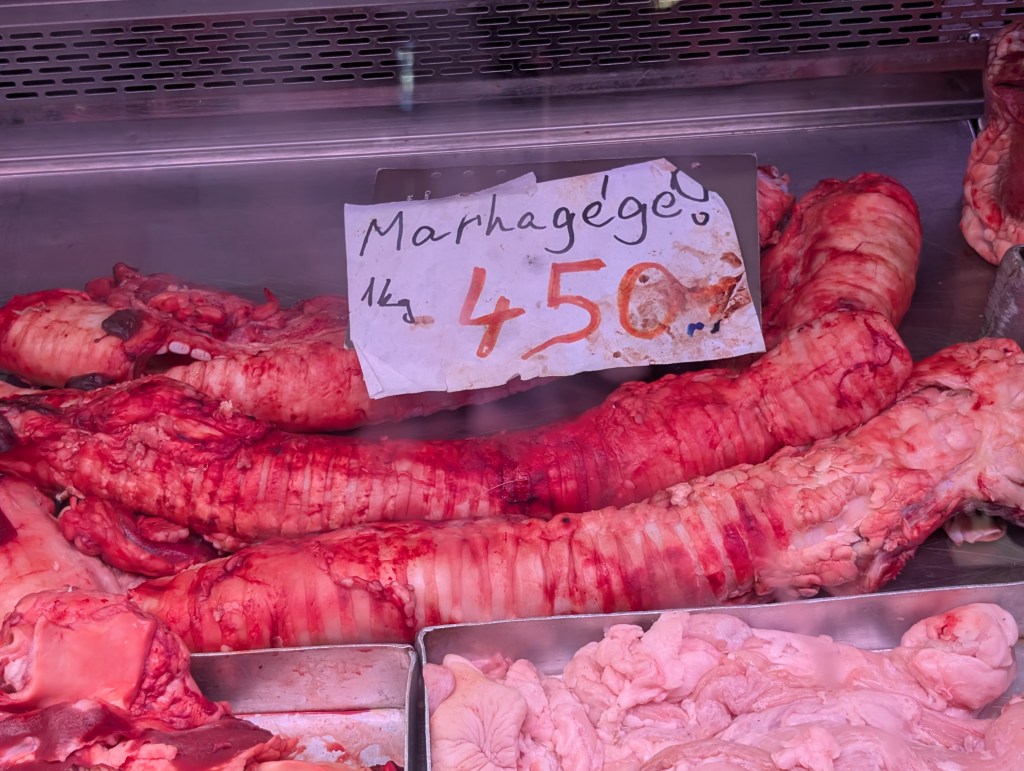
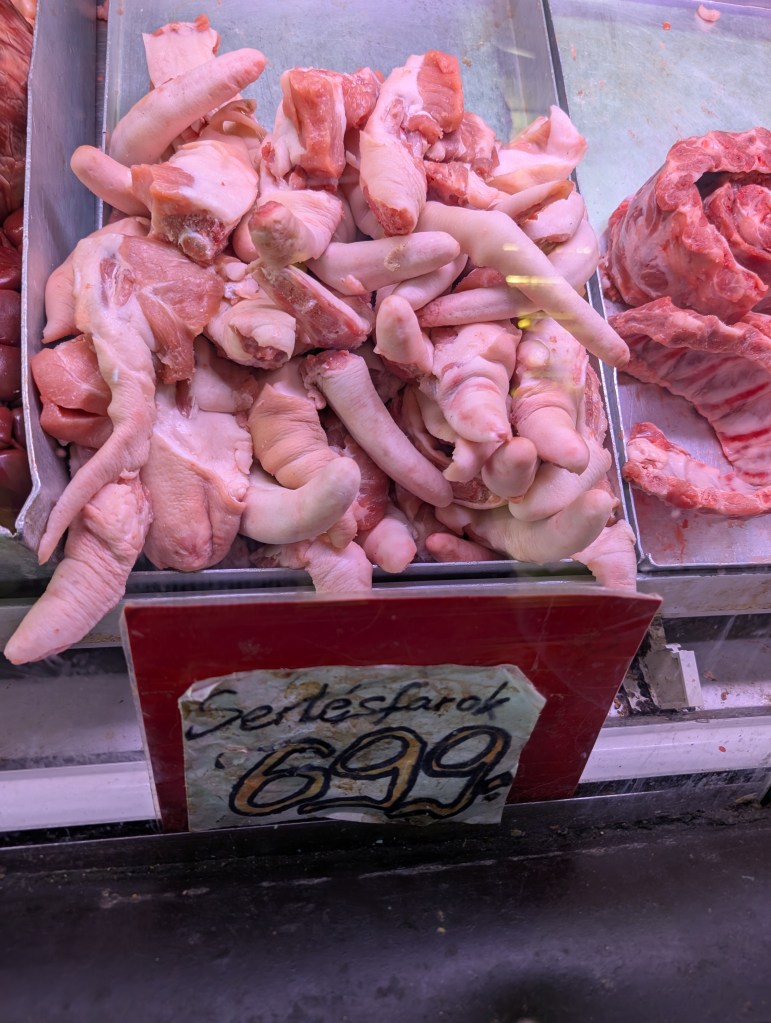
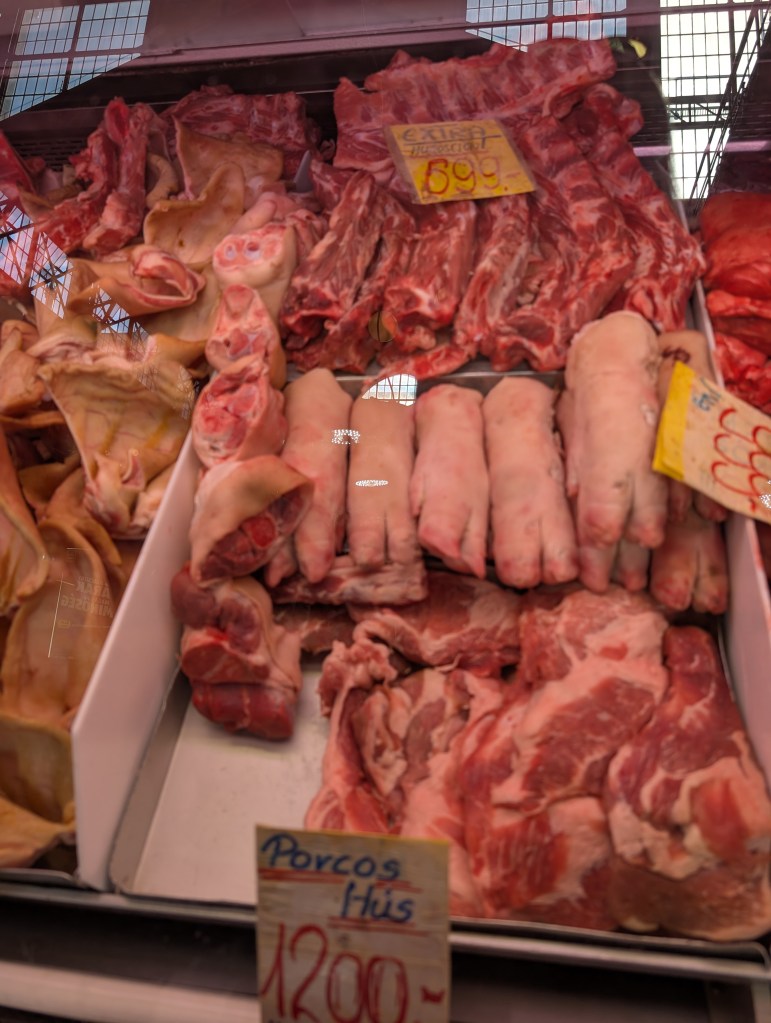
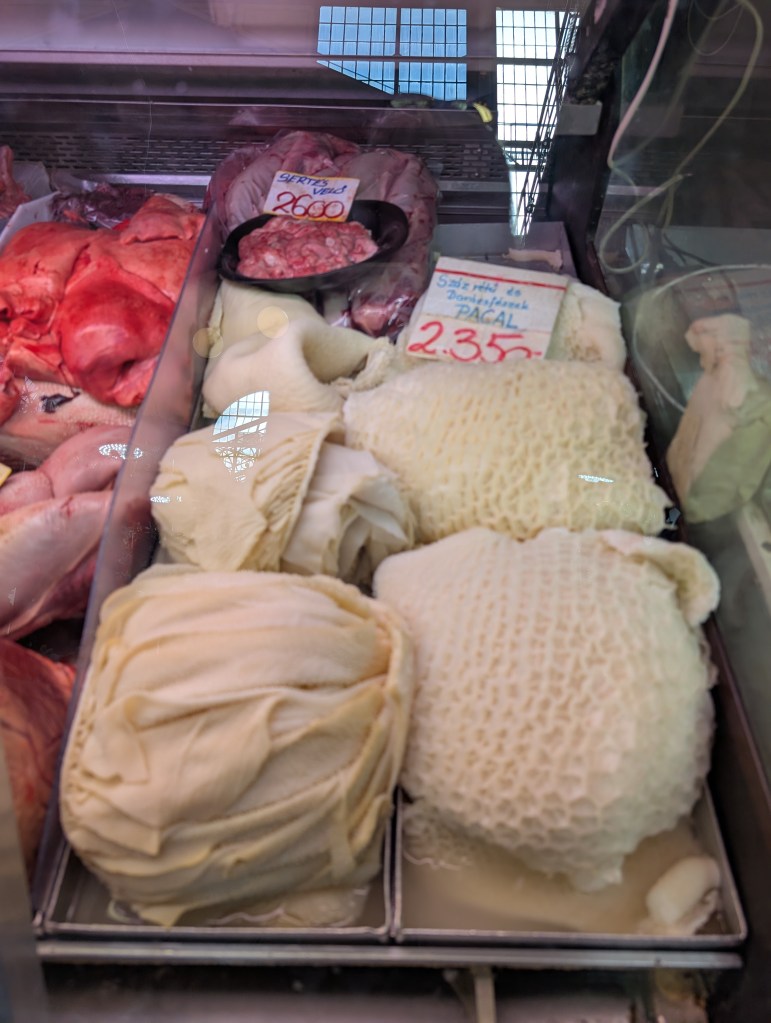
Great Market Hall:

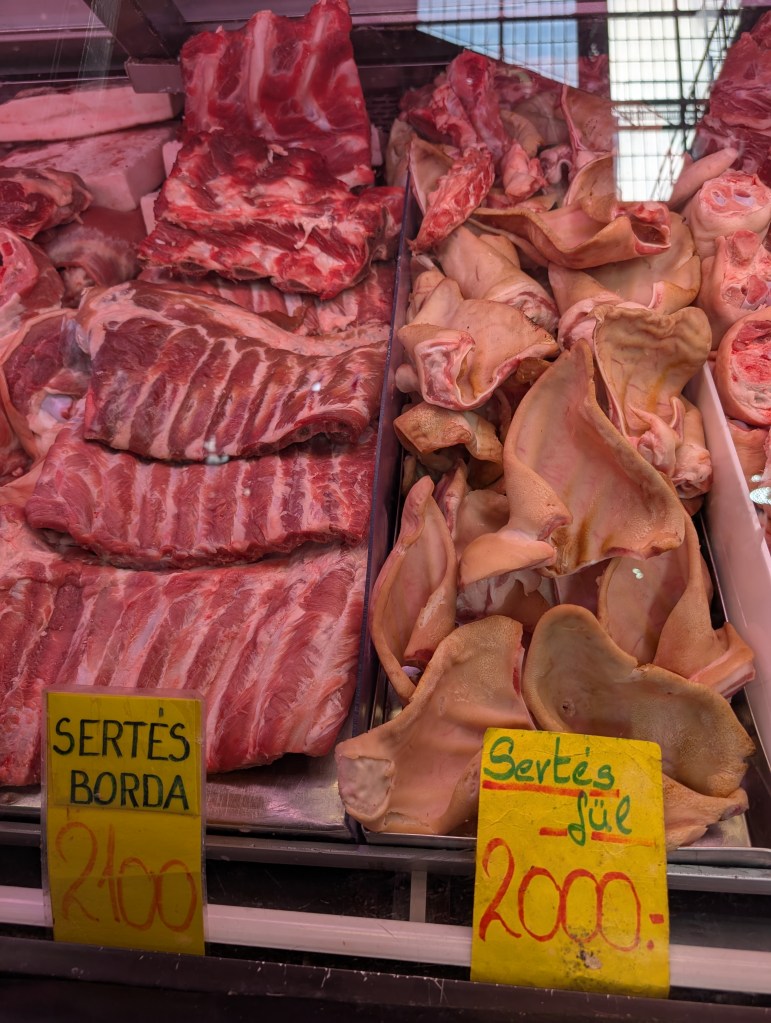
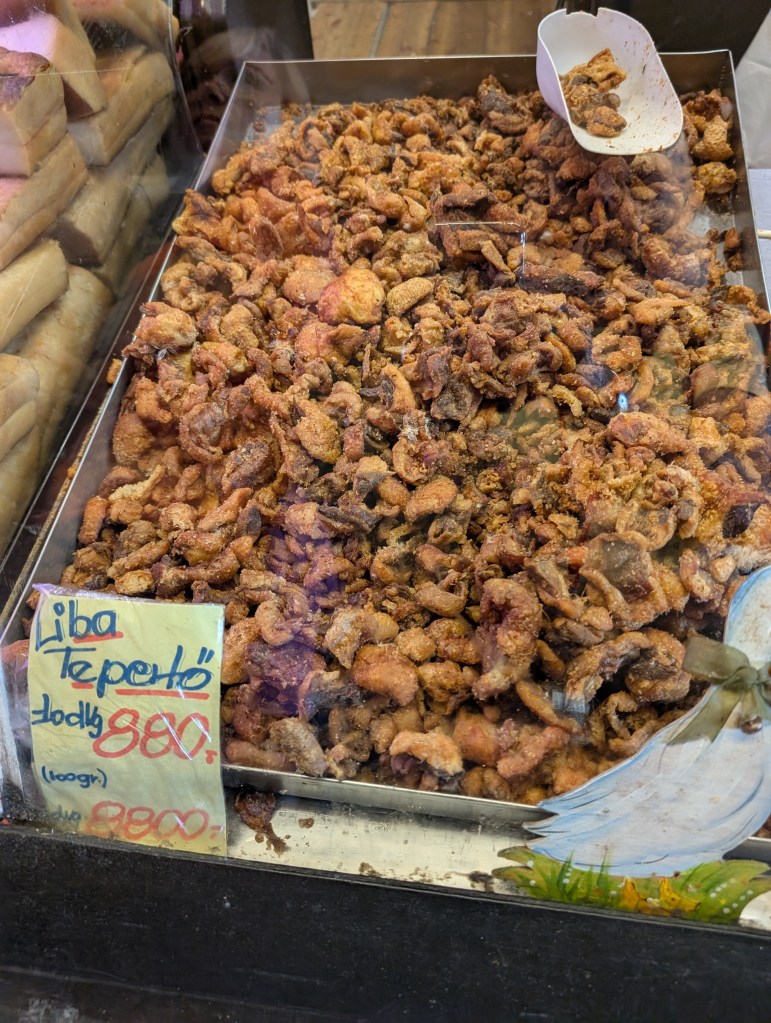

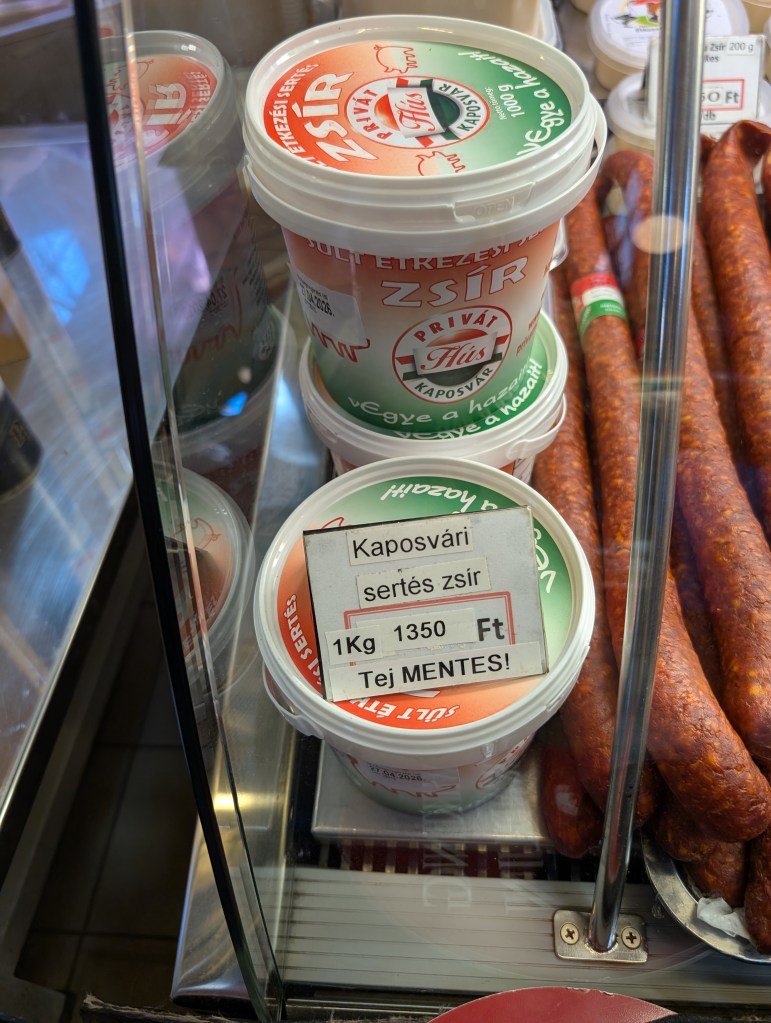
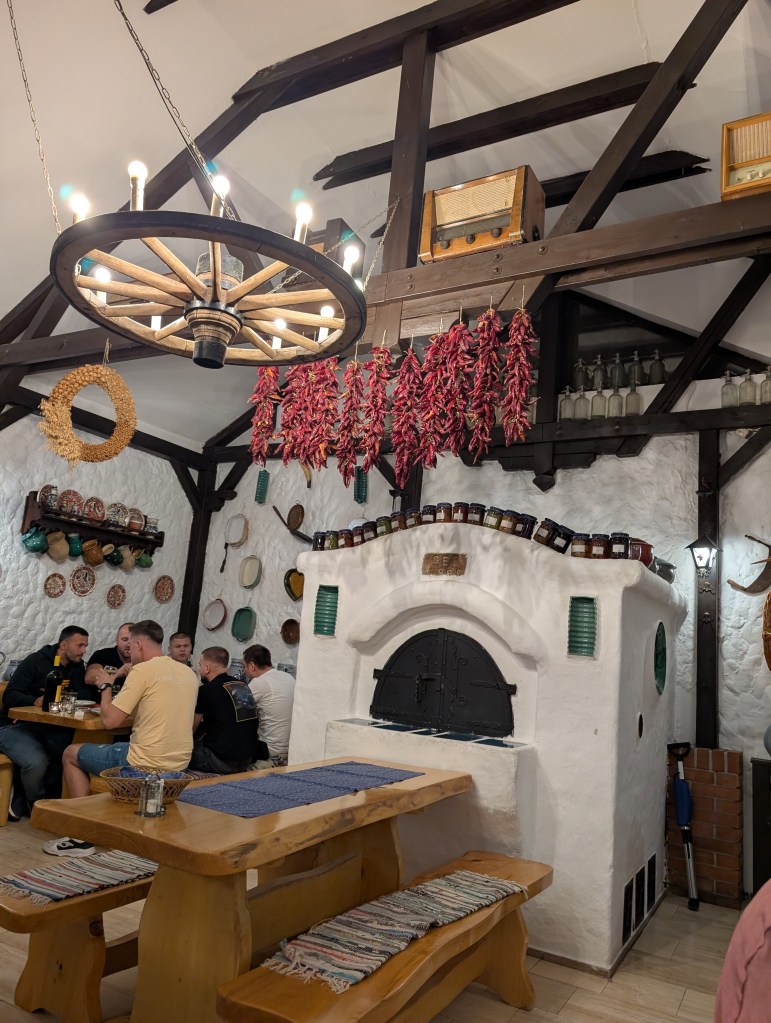
Urban Betyár Restaurant:
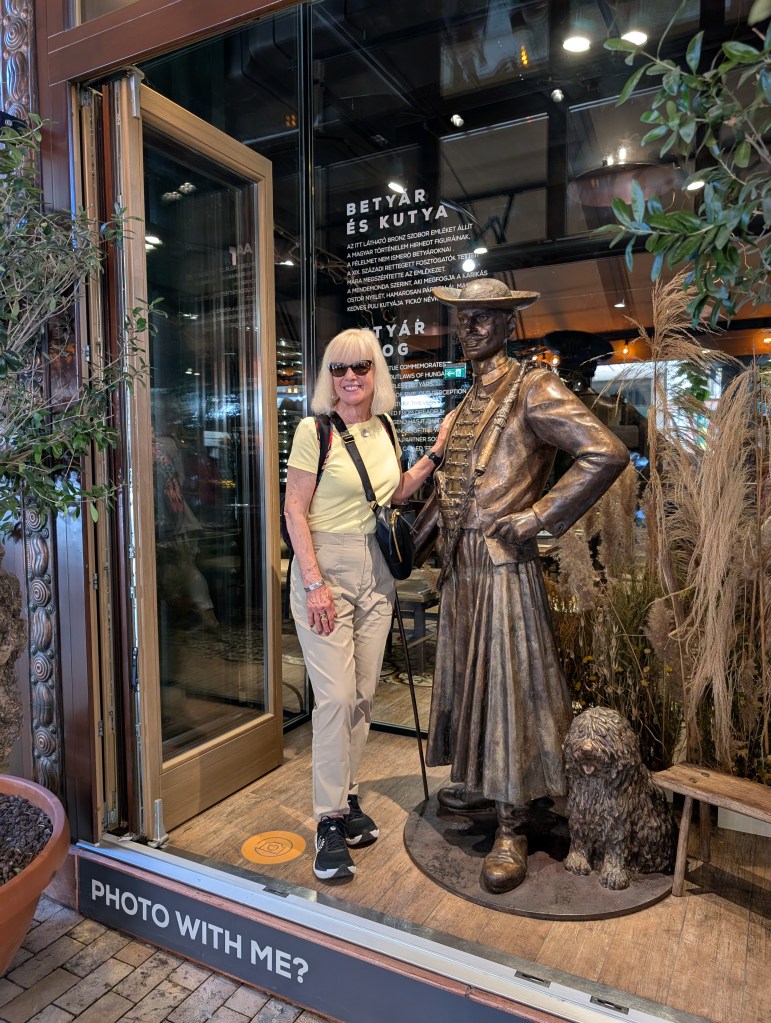
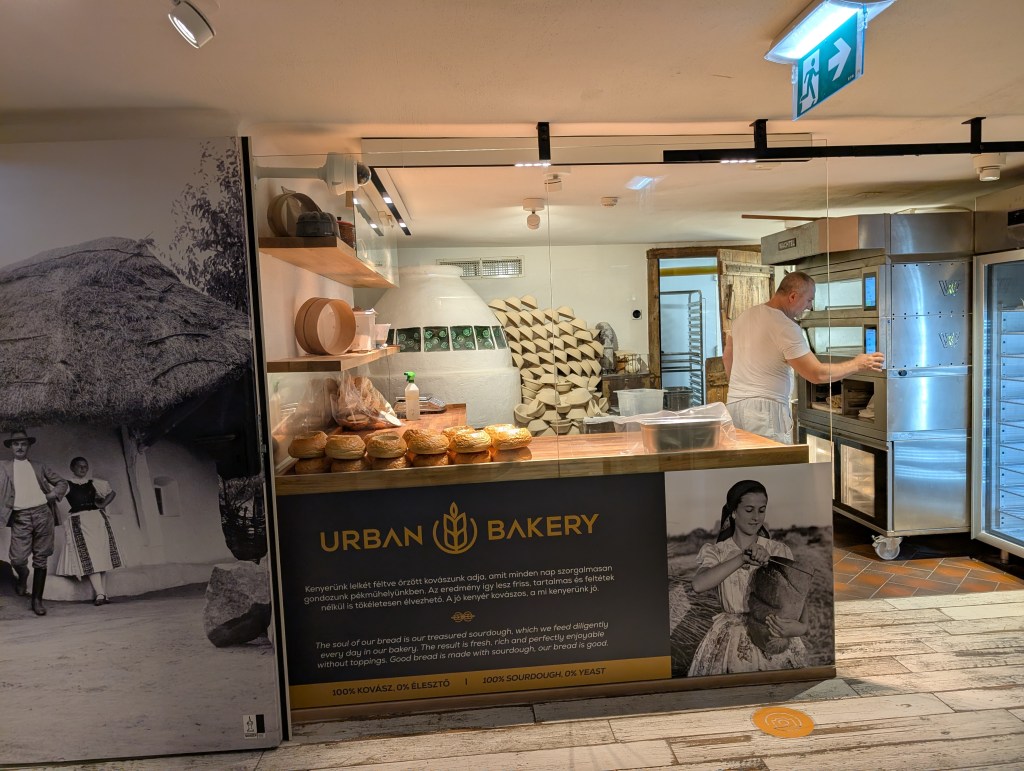
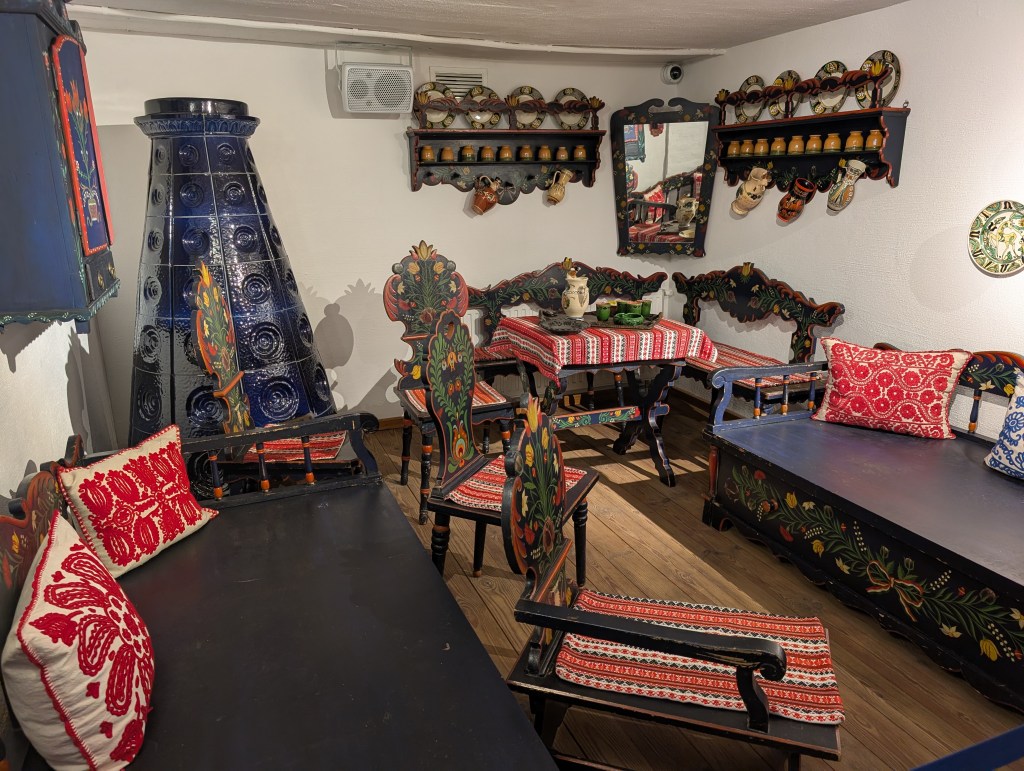
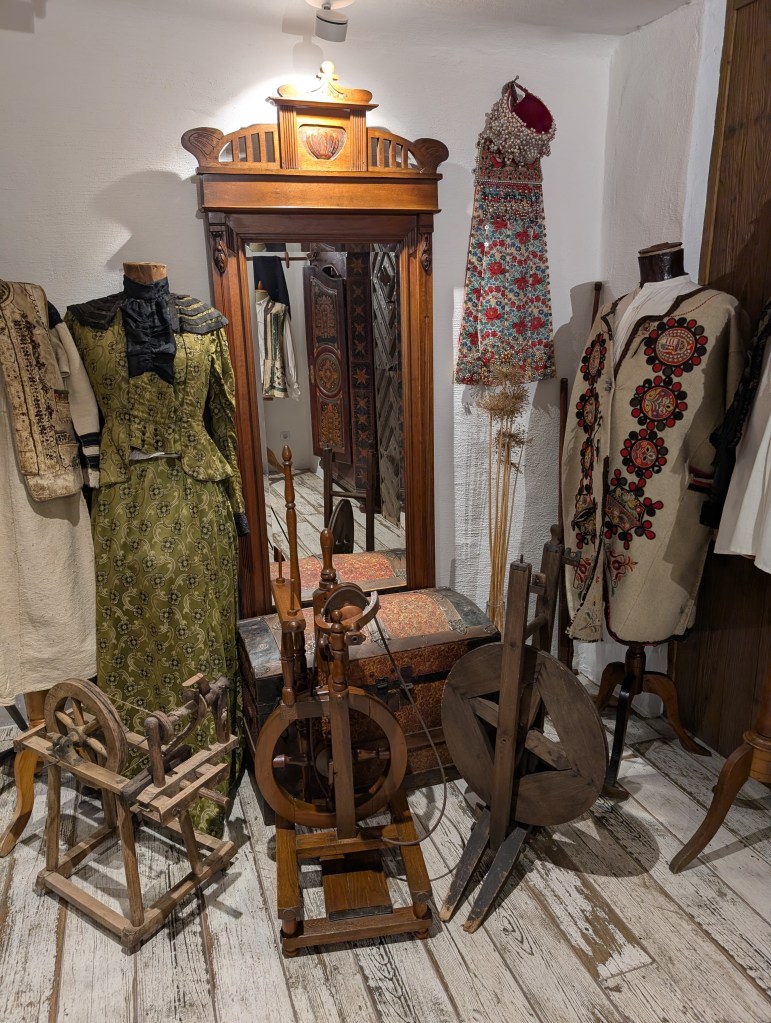
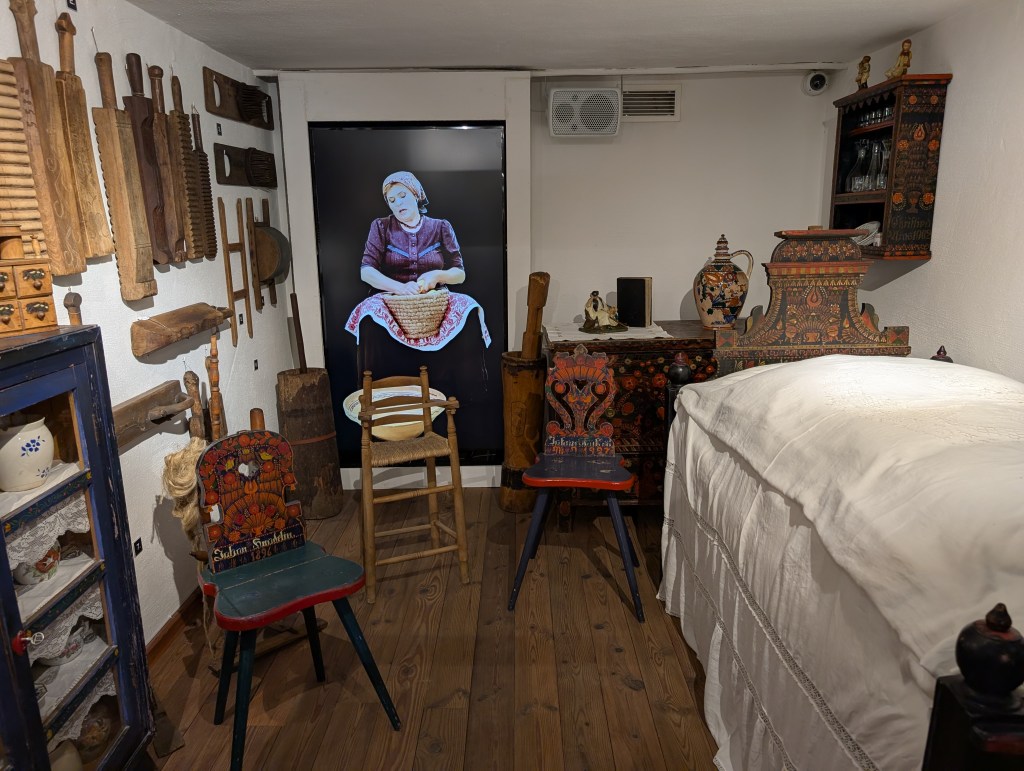
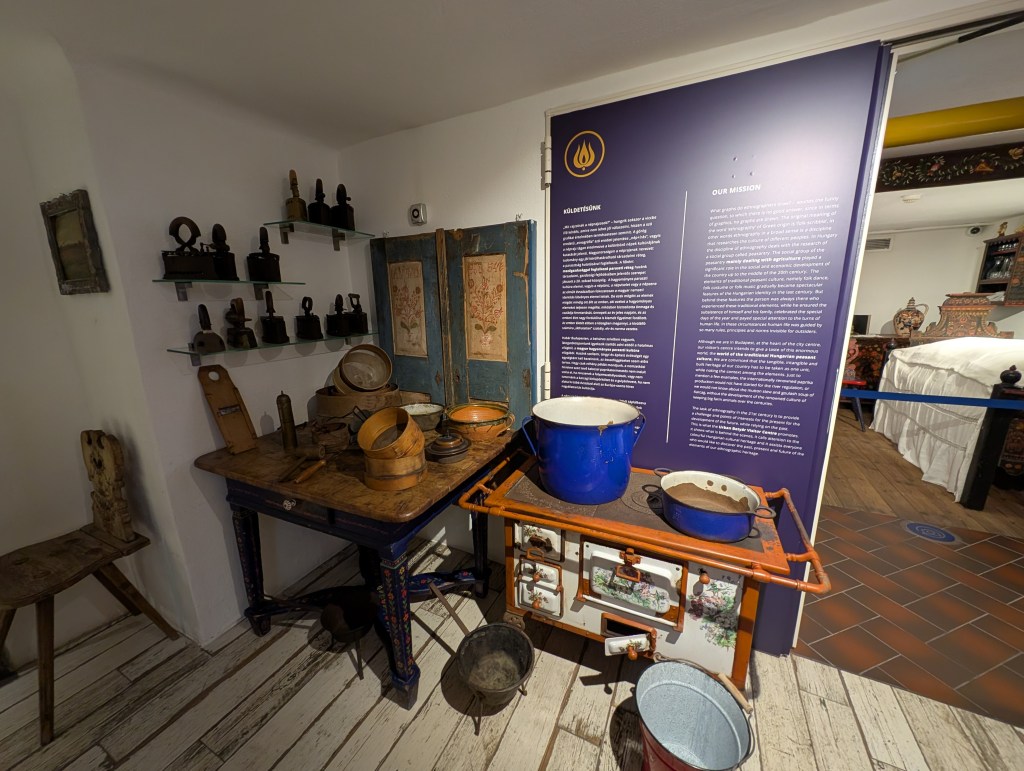
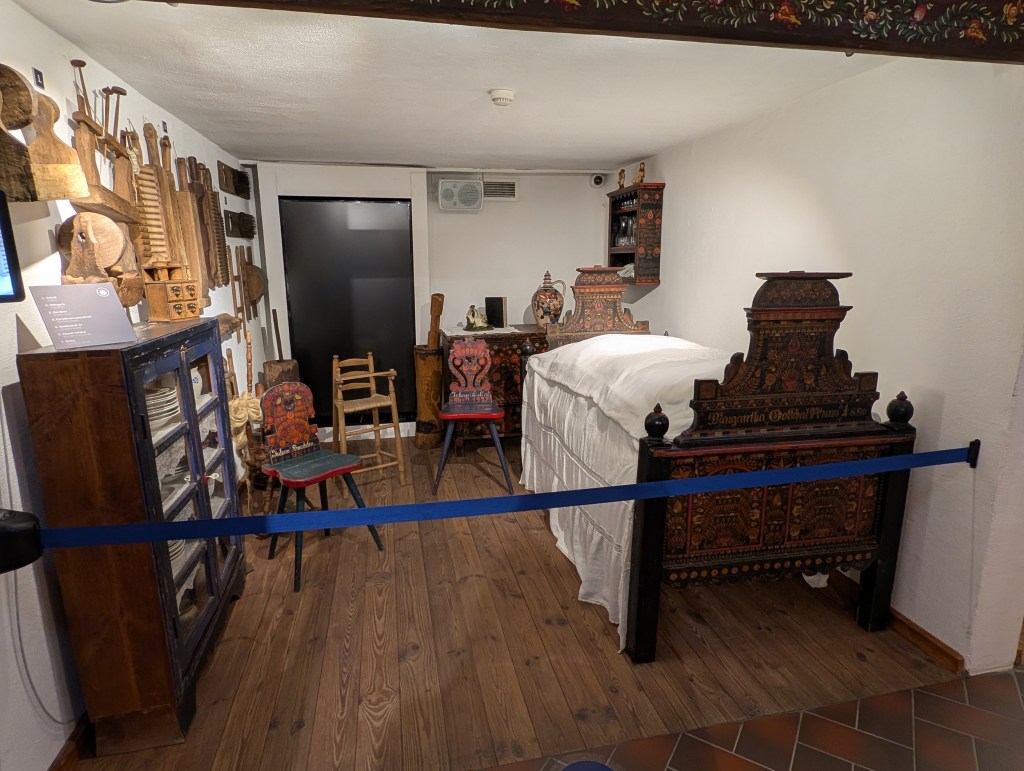
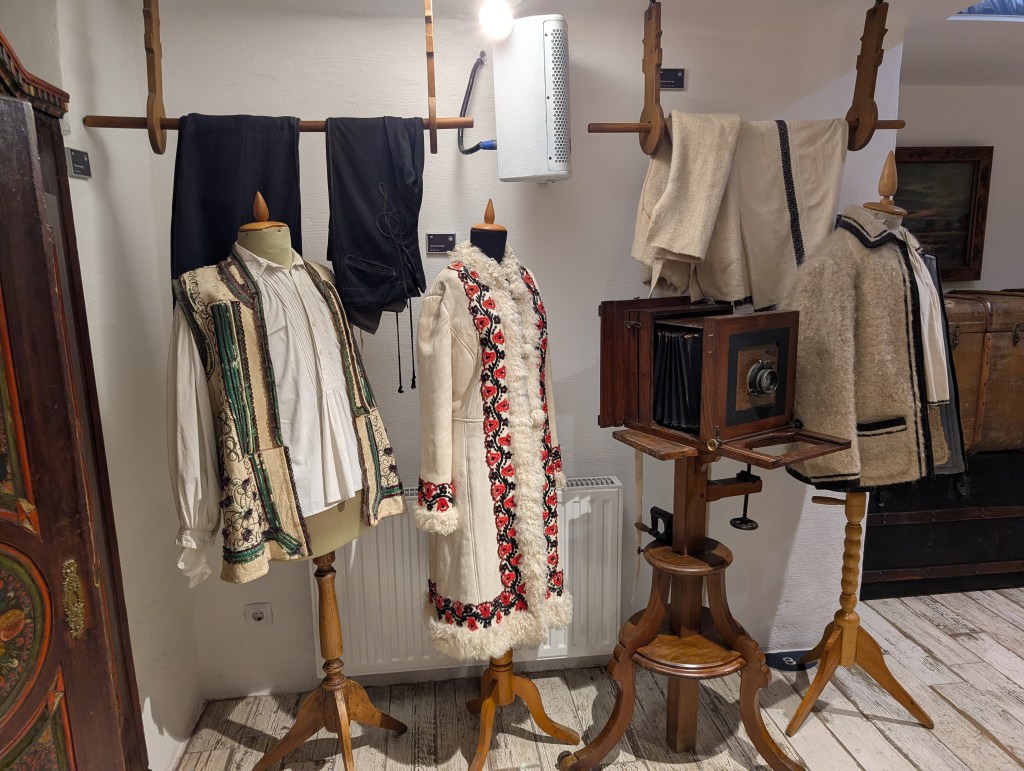
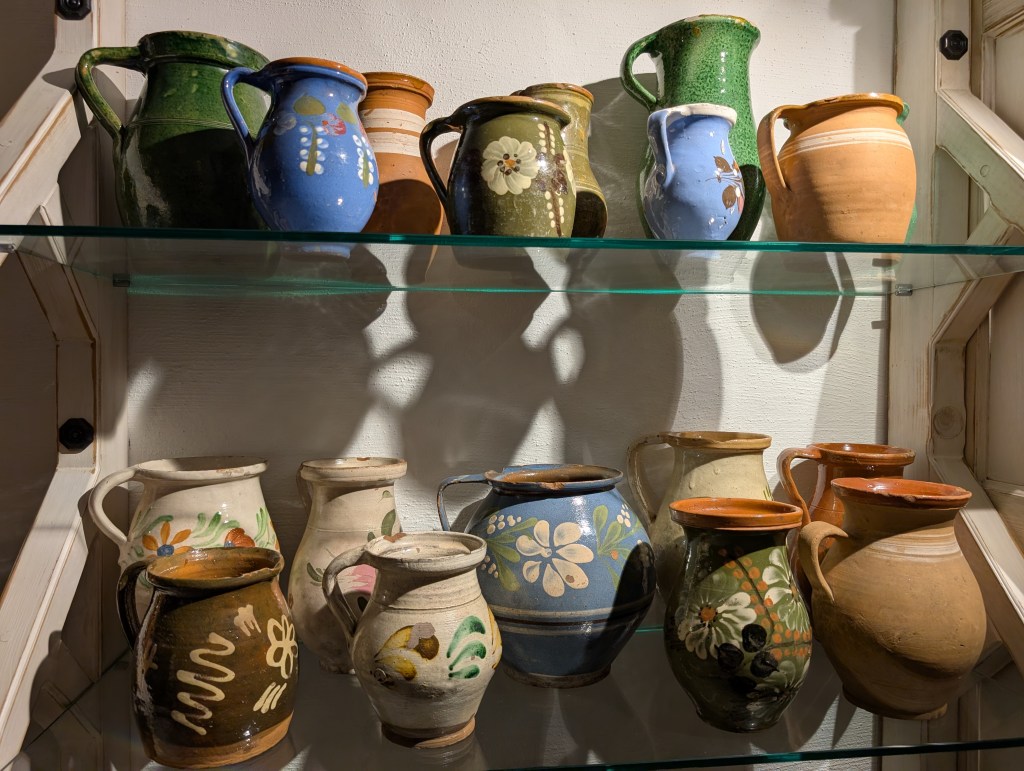
Urban Betyár is a restaurant, museum, and event venue located in the heart of the city. The restaurant’s concept is inspired by Hungarian folk traditions and the legends of outlaws, known as “betyárs”. The interior design reflects these themes, featuring elements like a 150-year-old press and an outlaw statue.



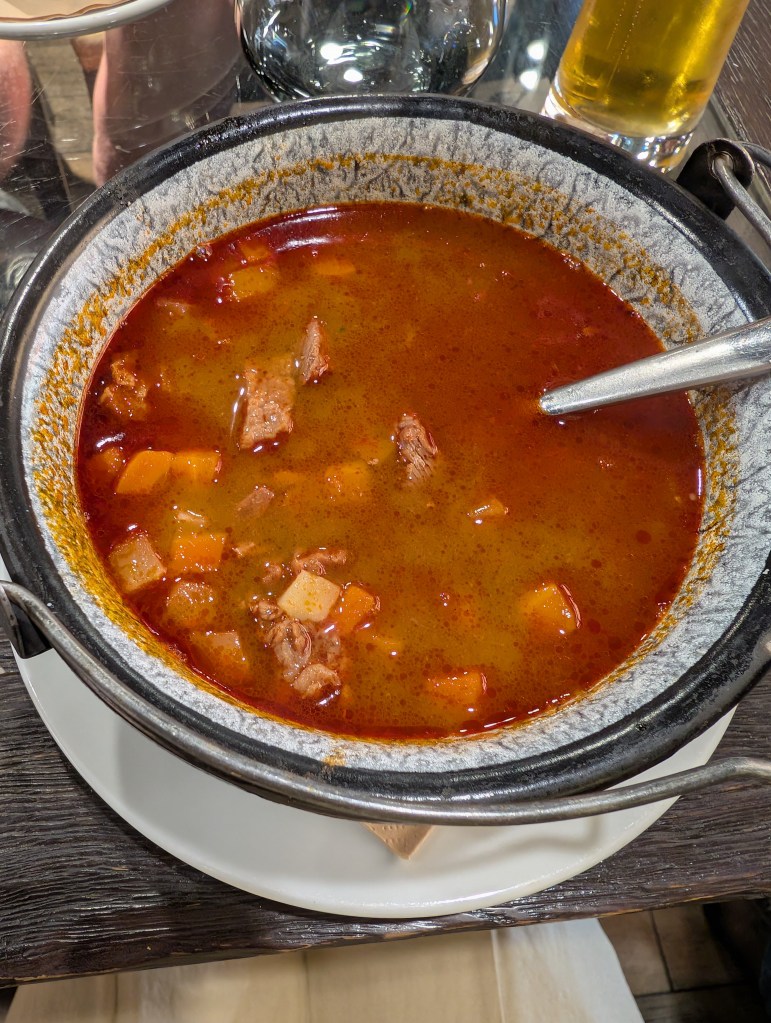
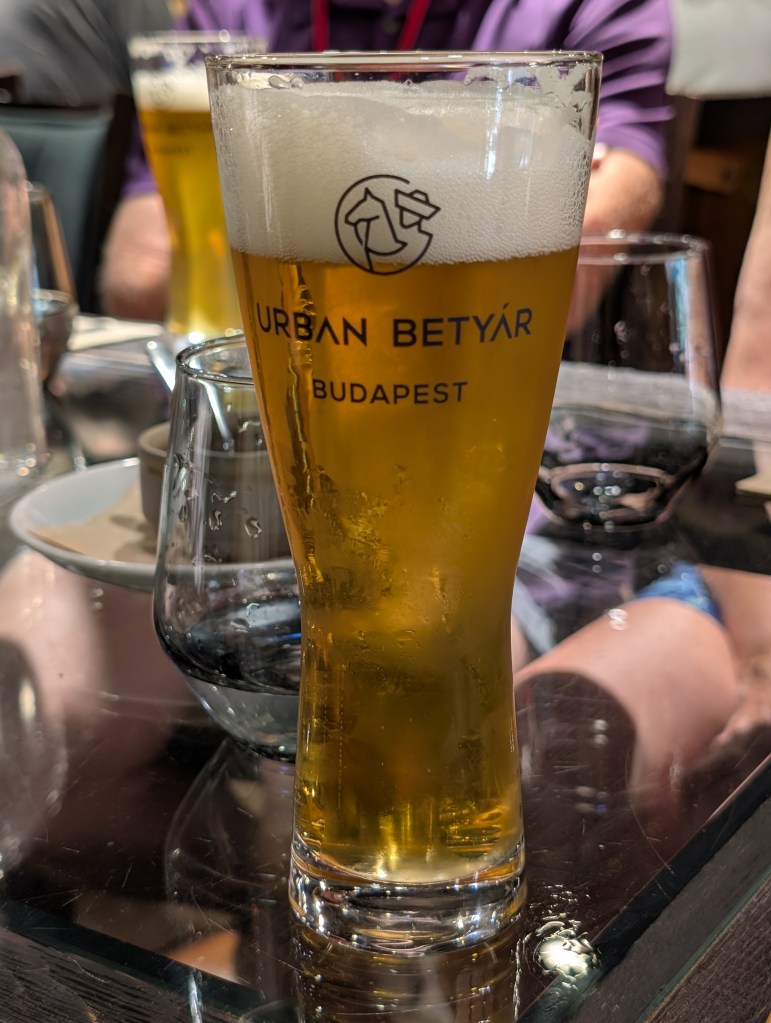
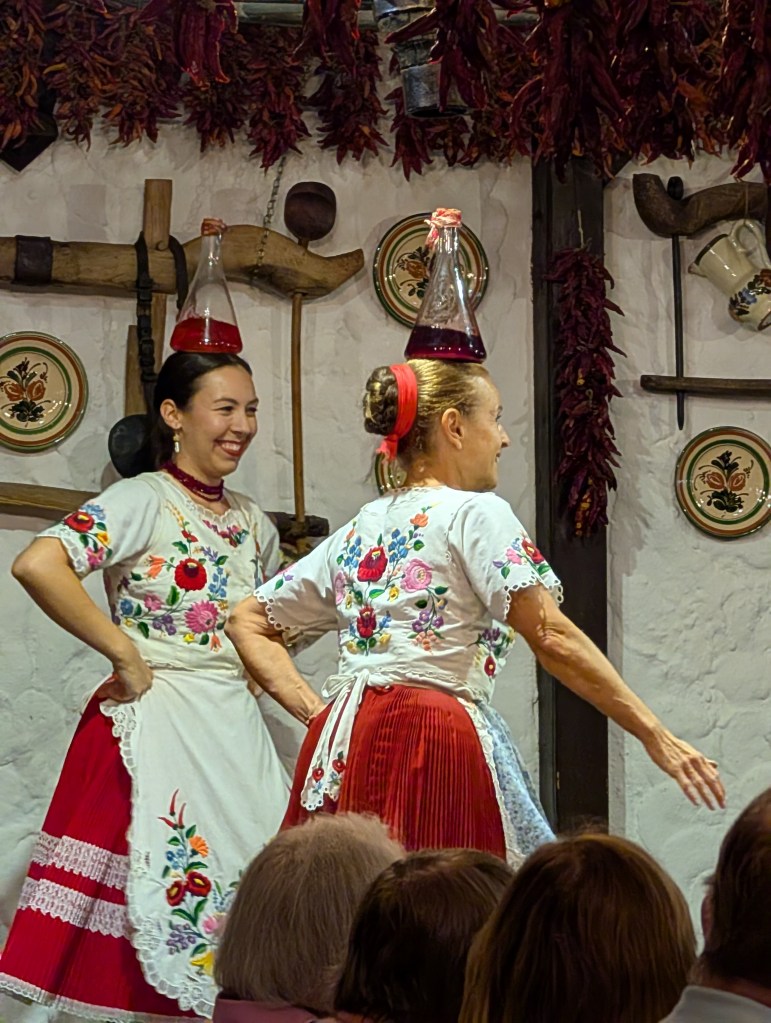
Hungarian Folklore Dinner:
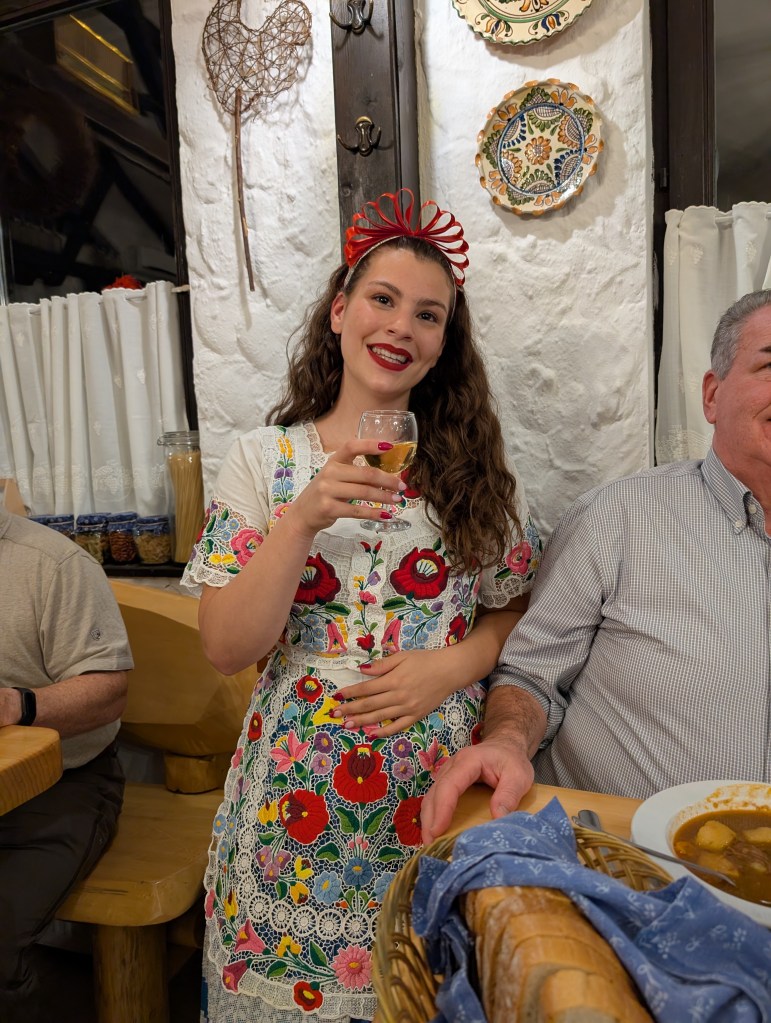
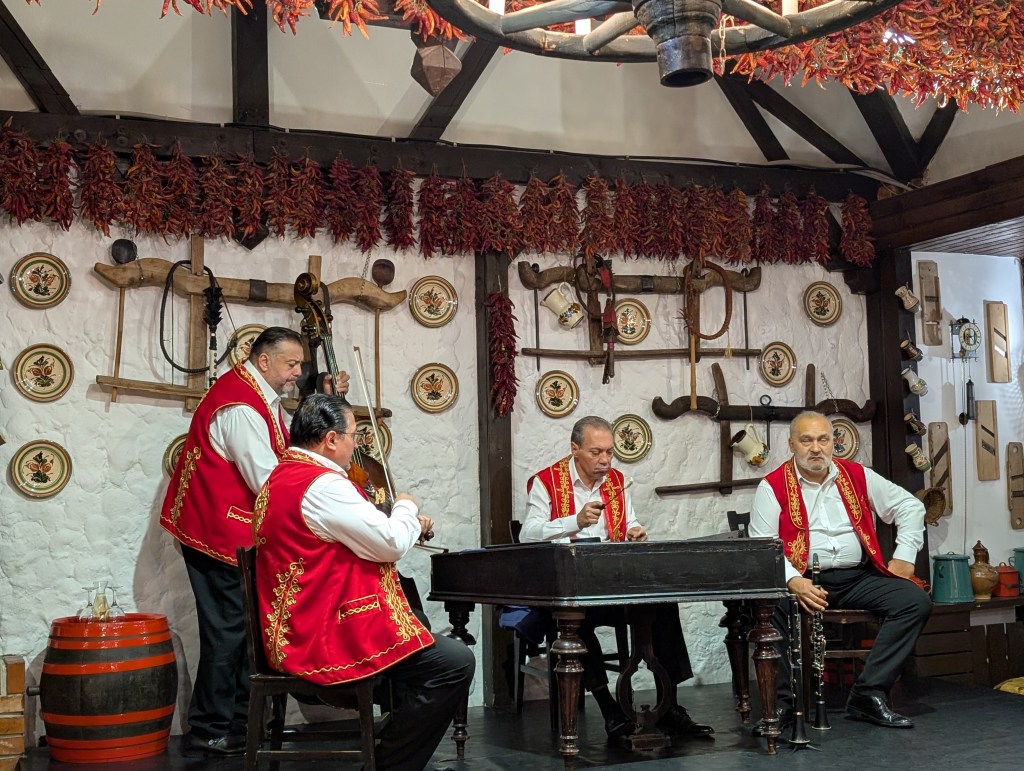
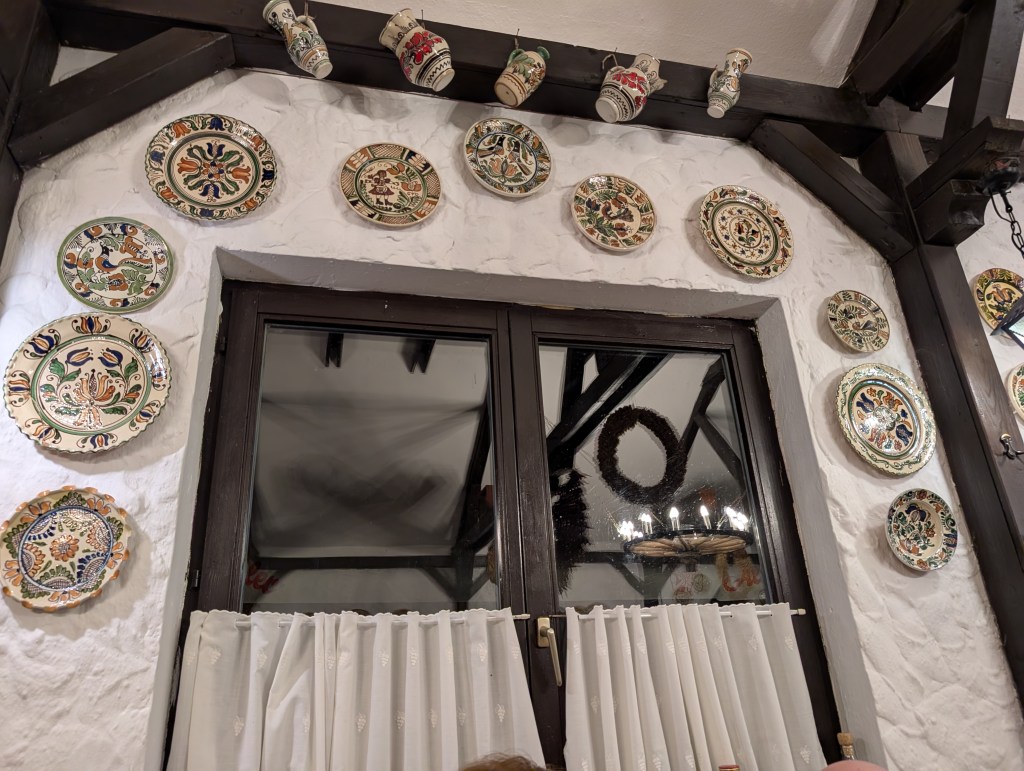
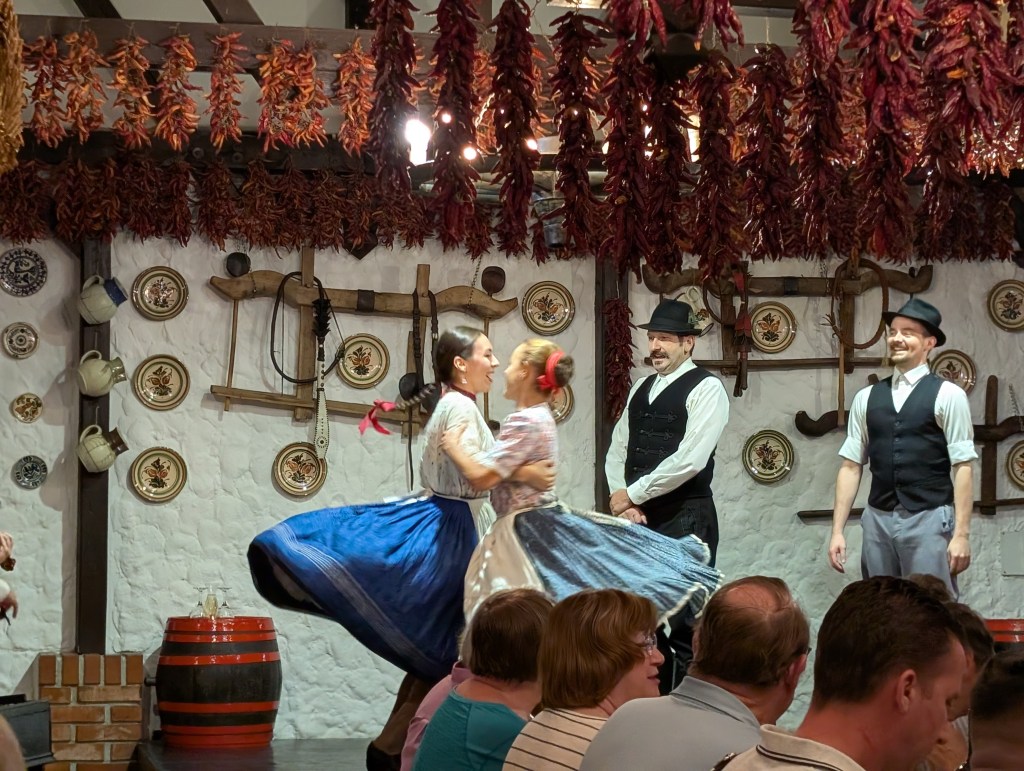
An evening of lively music, dancing, and a delicious traditional meal at Etterem Vadaspark Restaurant in Budakeszi, a town in the metropolitan area of Budapest.


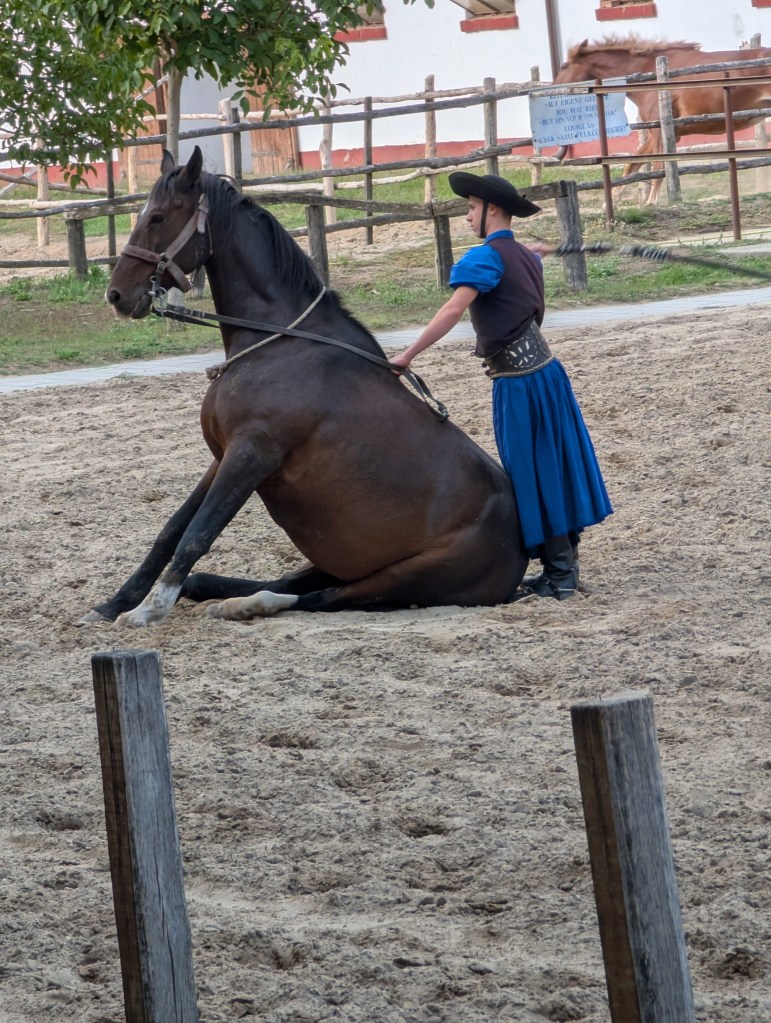
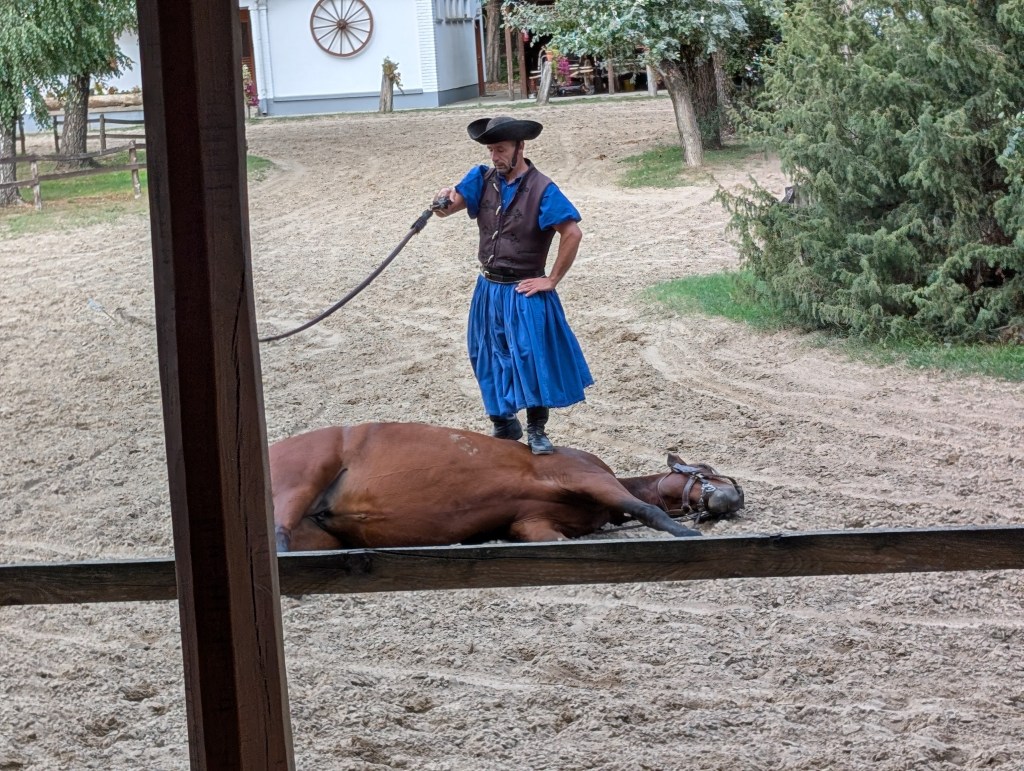
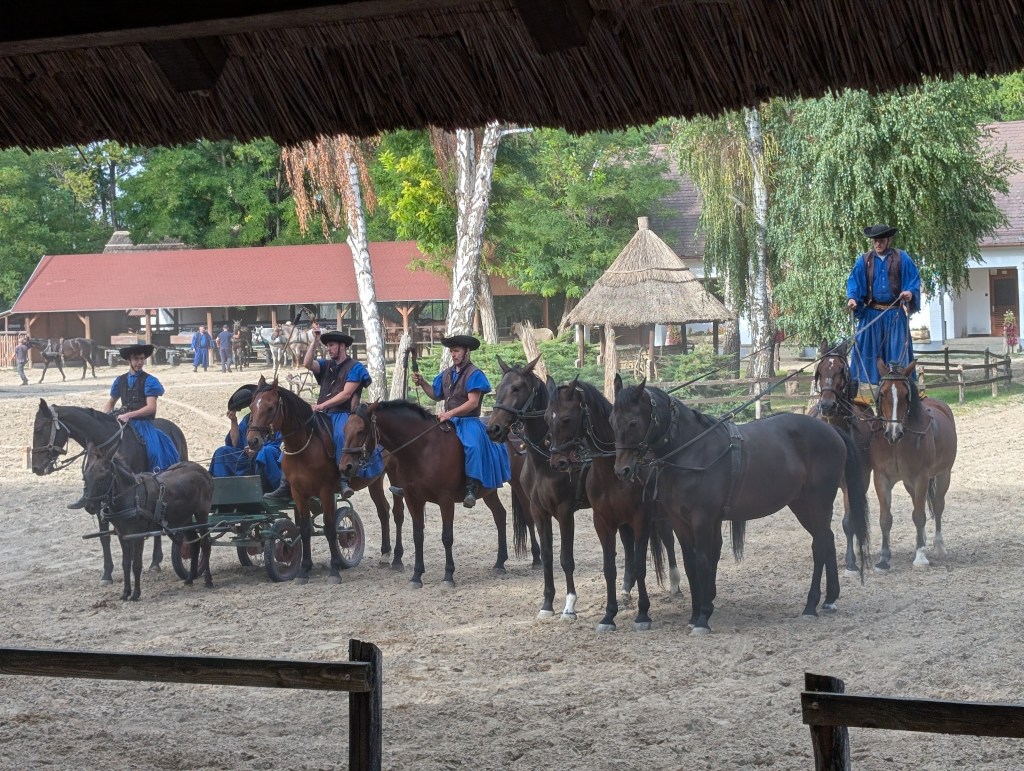
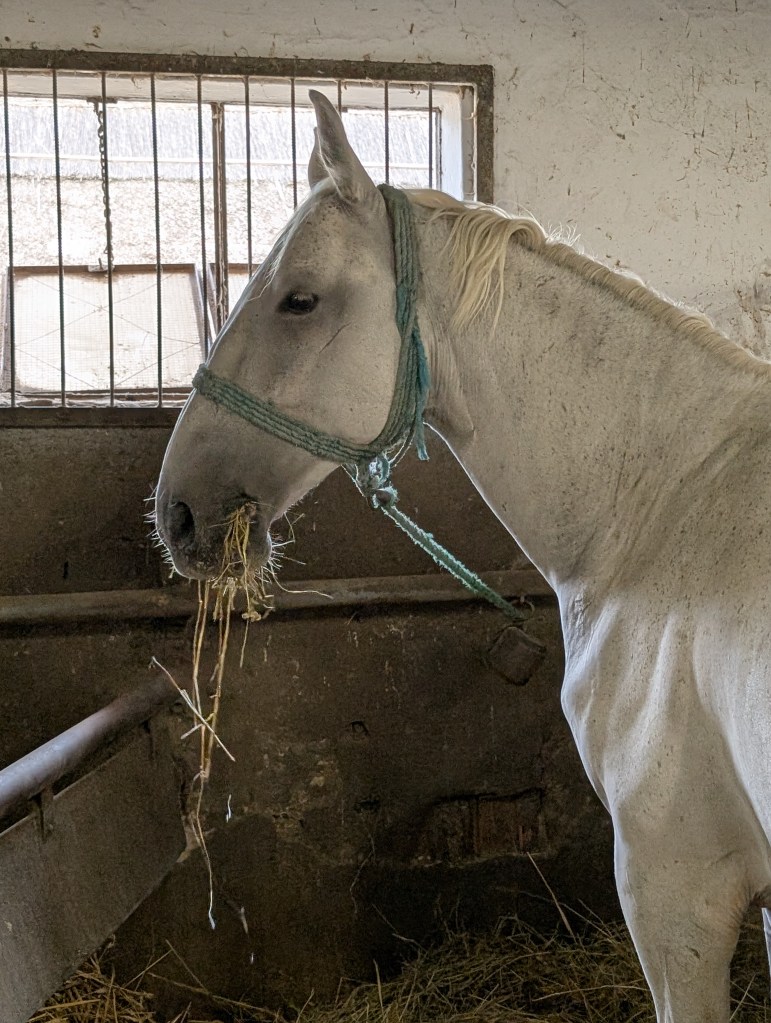
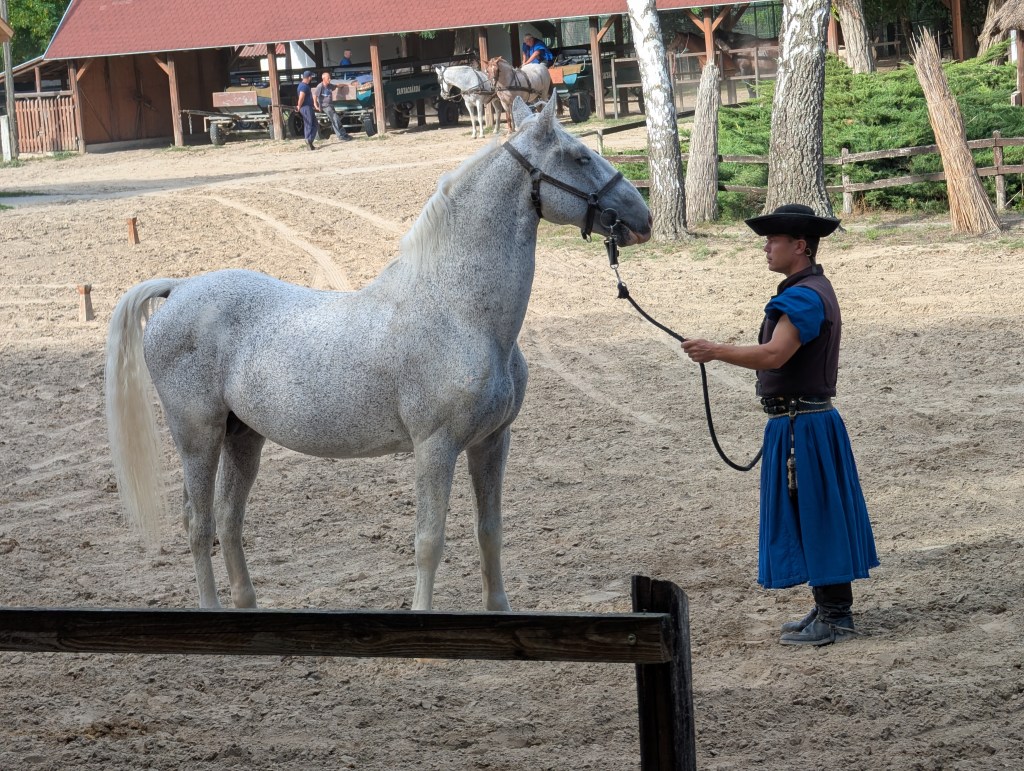
Hungarian Horsemen:
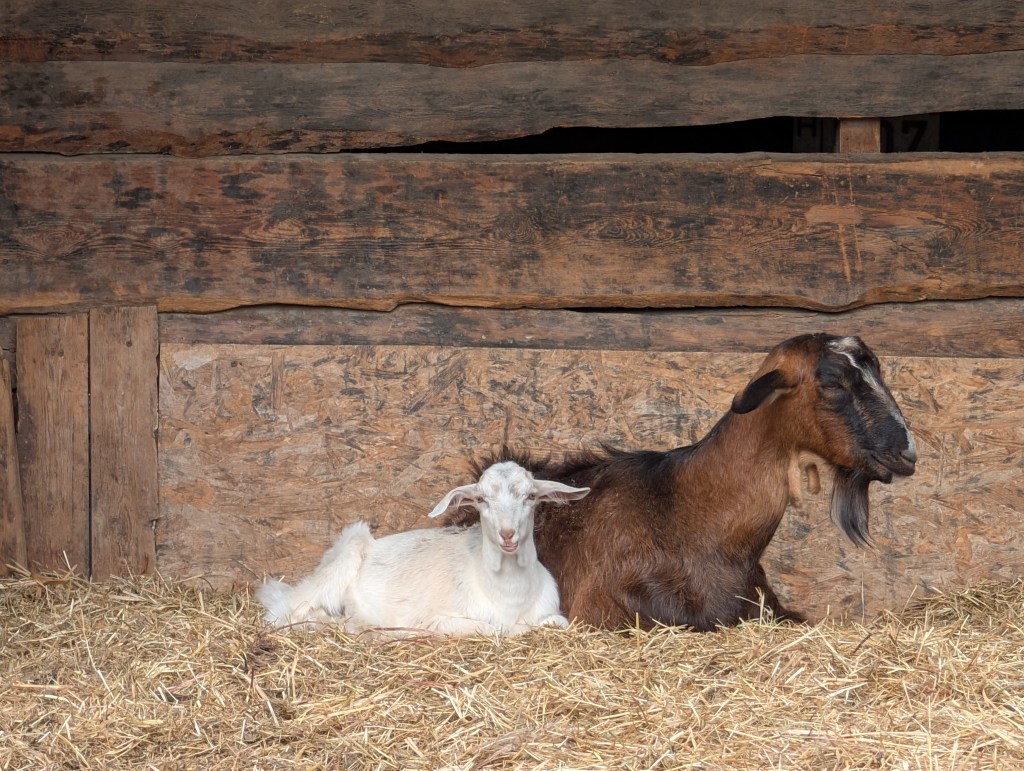
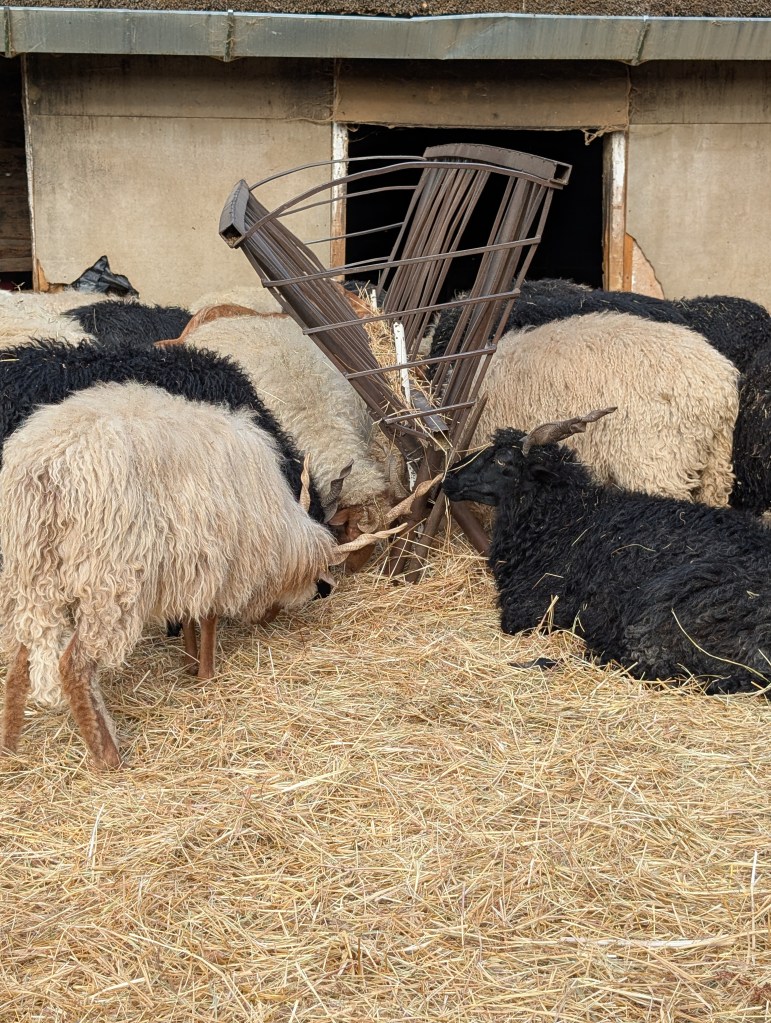
Traveled to the Tanyacsarda venue to watch a Puszta show, a traditional display of equestrian skills originating from the Great Hungarian Plain. The skills include the “Puszta-five,” where a rider stands on the backs of five horses, whip-cracking techniques, and having the horses sit, lie down, and stand on their hind legs. (Note: the horsemen do not whip their horses.)


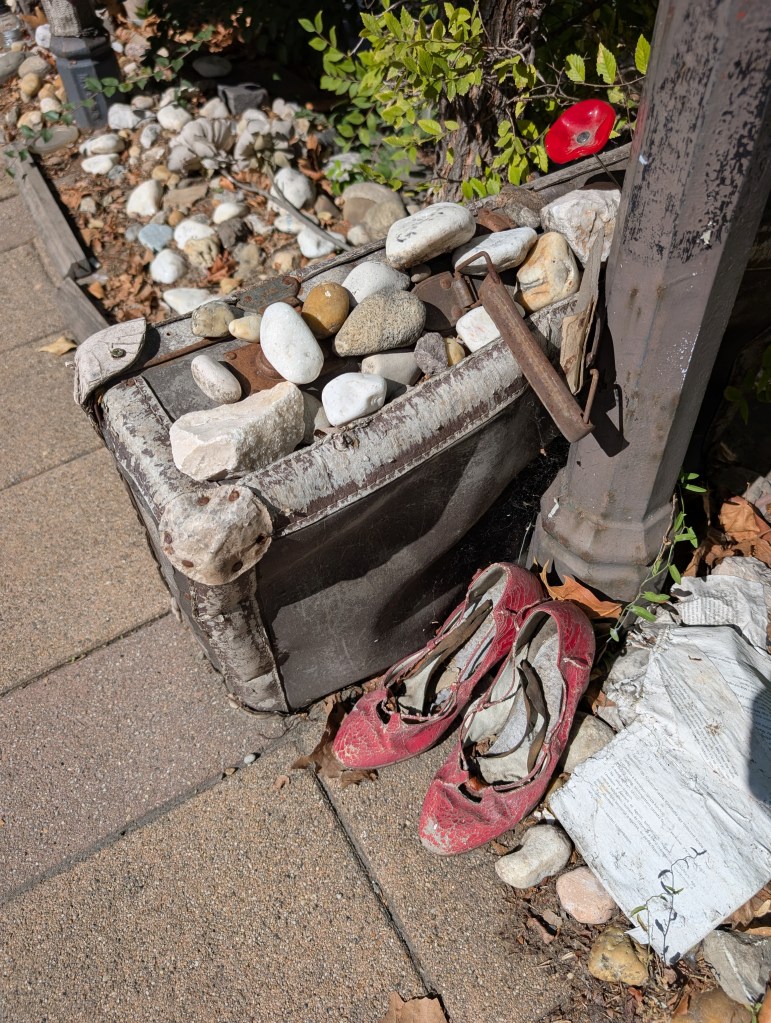
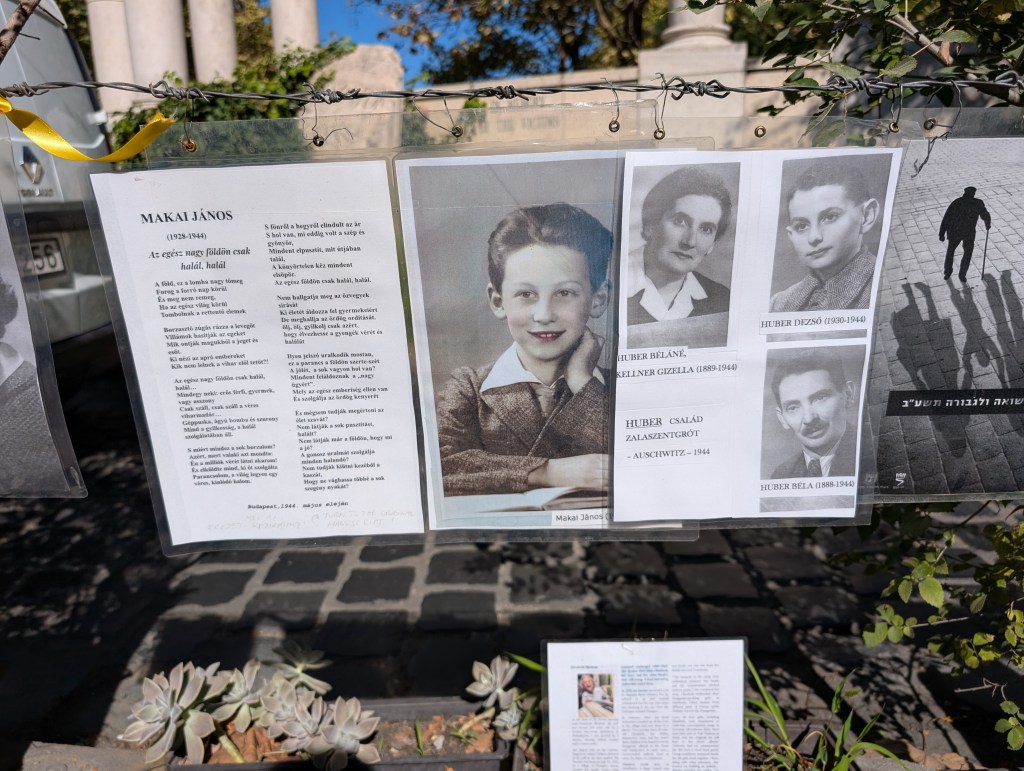
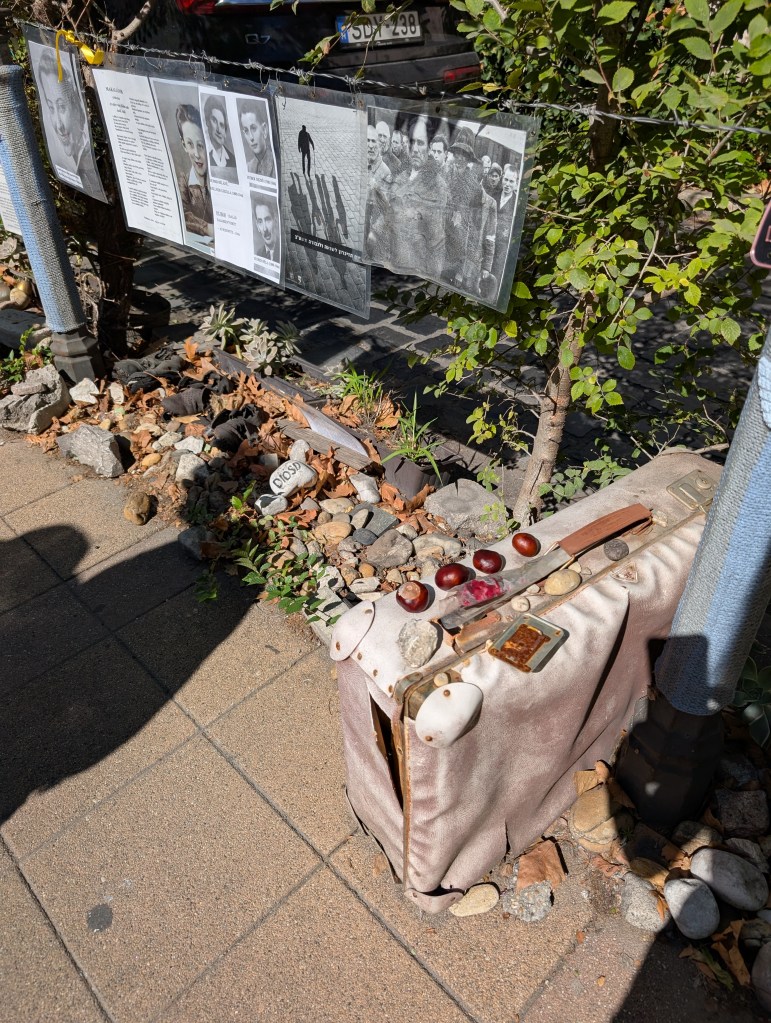
Holocaust Memorial:
The stones are a tangible way to connect with a loved one, affirming that their memory continues to live on through those who visit. In Hebrew, the word for pebble (


 Deb's Blog
Leave a comment